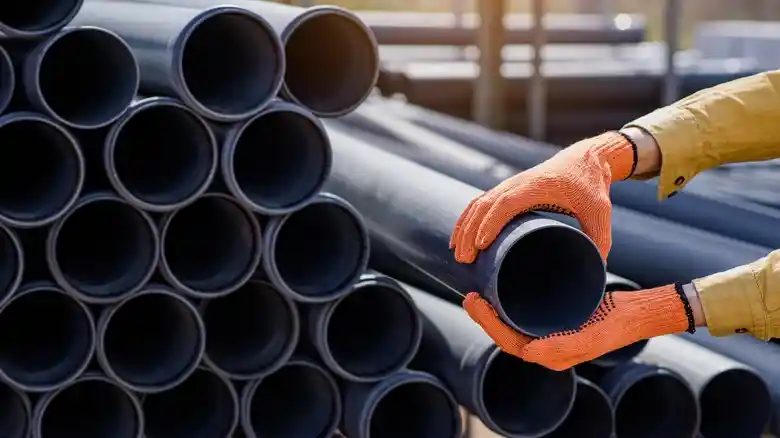
Polyvinyl Chloride, widely known as PVC, is a ubiquitous material in modern construction. It forms the core of piping systems in homes and businesses globally. This remarkable plastic owes its widespread use to its durability, chemical resistance, and cost-effectiveness.
Understanding what is PVC pipe made of reveals why it’s so dependable. The primary raw material is a polymer created through a fascinating chemical process. This article explores the exact composition, manufacturing methods, and various applications that make PVC a powerhouse in the plumbing world.
What is PVC Pipe?
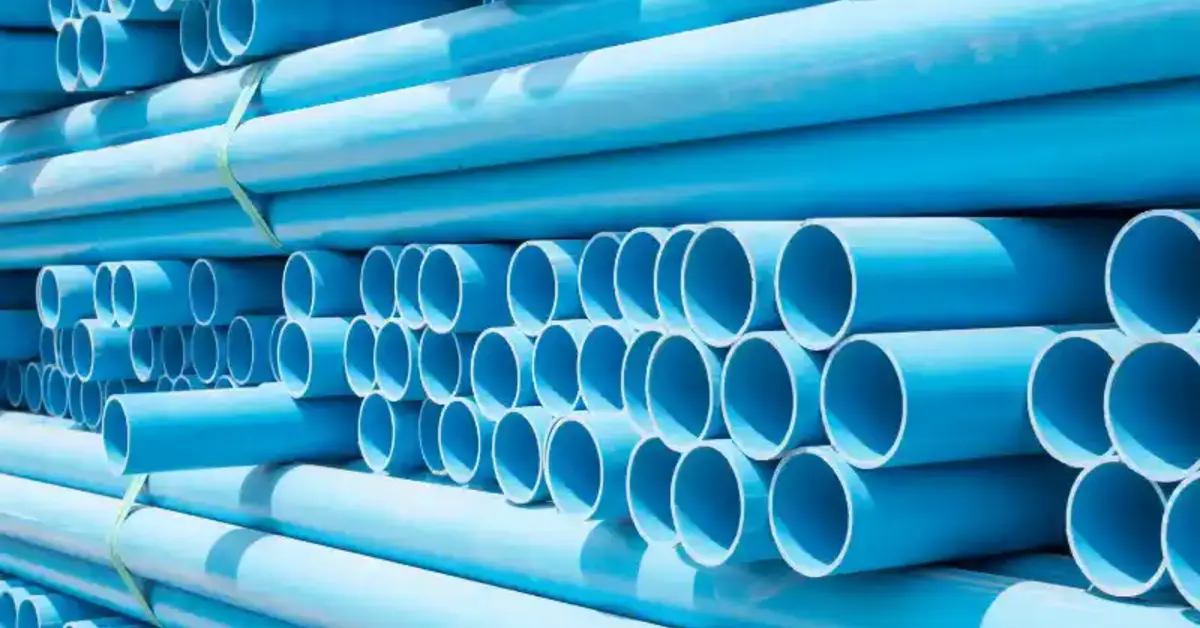
A PVC pipe is a rigid length of tubing made from the polymer Polyvinyl Chloride. The material is a thermoplastic, which means it becomes moldable at a certain high temperature and solidifies upon cooling. This property is key to how is PVC pipe made through extrusion.
PVC piping is known for its light weight and strength. It resists corrosion, chemical damage, and microbial growth better than many traditional materials like metal. These pipes are essential for transporting water, managing waste, and protecting electrical wiring. They have become the industry standard for a huge range of applications due to their longevity and reliability.
Is PVC Pipe Safe?
Safety is a top concern, especially when dealing with drinking water. The question of safety often depends on the specific type of PVC and its intended use. Generally, PVC pipes approved for potable water are considered safe for public health.
Modern manufacturing processes adhere to strict international standards to ensure pipes do not leach harmful substances. When used for water distribution, the unplasticized type (PVC-U) and the chlorinated type (CPVC) are most often certified. CPVC, for example, is highly safe for transporting both hot and cold drinking water. Its resistance to biofilm contamination is a major benefit, as it prevents bacteria from breeding inside the pipe. Like any material, using the correct type of pipe for the right job is vital for maintaining safety.
What Is PVC Pipe Made Of?
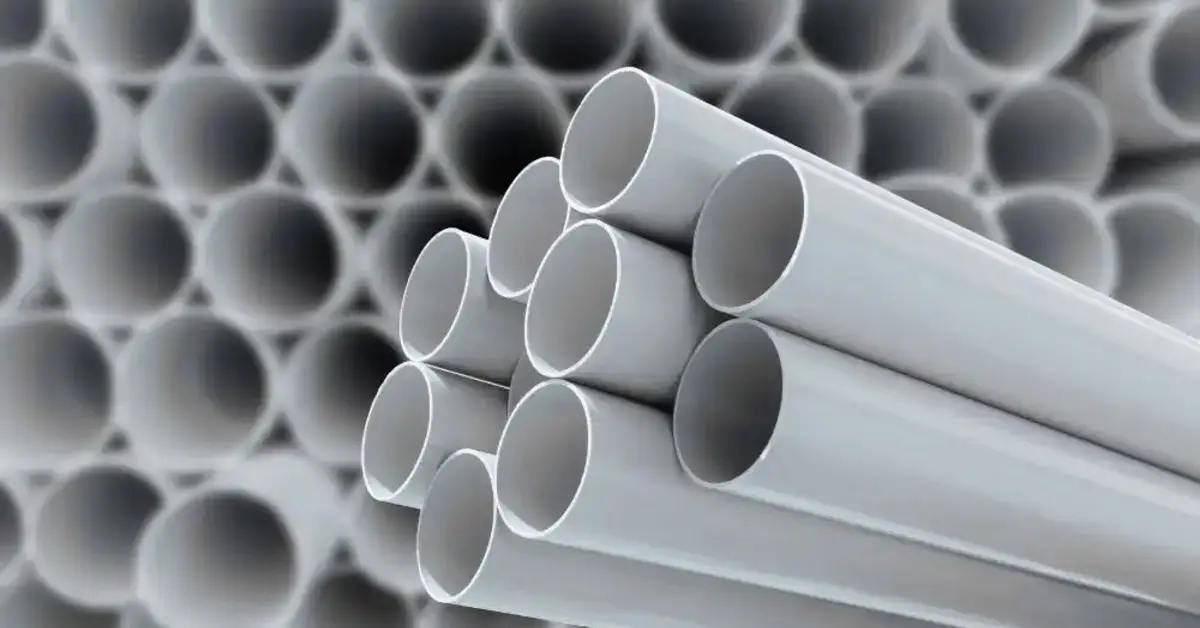
The main ingredient is polyvinyl chloride resin, which accounts for about 90% of the pipe material. This resin starts as a powder that gets heated and shaped into pipes.
The resin comes from two basic materials:
Chlorine makes up 57% of the base polymer. It comes from salt through a process called electrolysis. This element gives PVC its fire resistance and durability.
Ethylene forms the other 43%. This comes from petroleum or natural gas. It provides the carbon backbone that holds the plastic together.
But raw PVC resin alone wouldn’t make good pipes. Manufacturers add several other components:
Stabilizers (5-10% of total weight) prevent the plastic from breaking down when exposed to heat or UV light. These used to contain lead but now use calcium, zinc, or tin compounds.
Impact modifiers (2-5%) make the pipes tougher. They help PVC resist cracking when hit or when temperatures drop. Common modifiers include chlorinated polyethylene and acrylic polymers.
Lubricants (1-2%) help the plastic flow during manufacturing. They create smooth surfaces inside and outside the pipe. Calcium stearate is a typical lubricant.
Pigments give pipes their color. White PVC contains titanium dioxide. Gray pipes use carbon black. These colors help identify pipe types and protect against UV damage.
Fillers like calcium carbonate may be added to reduce costs. They bulk up the material without changing its basic properties. Not all PVC pipes contain fillers.
The exact formula varies by manufacturer and pipe purpose. Drain pipes need different properties than water supply lines. Each application requires specific additives to meet performance standards.
Different Types of PVC Pipes
Not all PVC pipes are the same. Different types of pvc pipes serve unique purposes. Understanding these types helps you pick the right pipe for your project.
Schedule 40 PVC is the most common type. It has medium wall thickness and works for most residential plumbing. You’ll find this in drain lines, vent pipes, and irrigation systems. The walls are thick enough for normal water pressure.
Schedule 80 PVC has thicker walls than Schedule 40. It handles higher pressure and is stronger. This type costs more but lasts longer in demanding applications. Industrial settings and underground installations often use Schedule 80.
CPVC (Chlorinated PVC) can handle hot water. Regular PVC softens at high temperatures, but CPVC stays rigid. It’s used for hot water supply lines in homes. The chlorination process makes it heat resistant.
PVC-U (Unplasticized PVC) contains no plasticizers. This makes it rigid and strong. Most plumbing pipes are PVC-U. They maintain their shape under pressure and temperature changes.
PVC-O (Oriented PVC) goes through a special process that aligns molecules. This creates pipes that are lighter but stronger. They’re becoming popular for water mains and large-scale projects.
Each type has specific pressure ratings and temperature limits. Always check local building codes before choosing a pipe type. Using the wrong type can lead to failures and code violations.
How PVC Pipes Are Manufactured
How are pvc pipes made in factories? The process is straightforward but requires precision. Understanding manufacturing helps you appreciate pipe quality.
Step 1: Compound Mixing Workers mix PVC resin powder with stabilizers, modifiers, and other additives. This happens in large blenders. The mixture must be uniform for consistent pipe quality. Temperature control is critical during mixing.
Step 2: Extrusion The mixed compound goes into an extruder. This machine heats the material to about 350-400°F. The plastic melts and gets pushed through a die. The die shapes the melted plastic into a pipe form. A mandrel in the center creates the hollow interior.
Step 3: Cooling Hot pipes come out of the extruder and enter a cooling bath. Water or air brings the temperature down quickly. This sets the pipe shape. Proper cooling prevents warping and ensures straight pipes.
Step 4: Sizing Some pipes through a sizing tool while still warm. This ensures exact outer diameter measurements. Consistent sizing is important for fittings to connect properly.
Step 5: Cutting Long pipes get cut to standard lengths. Saws make clean, square cuts. Most pipes come in 10 or 20-foot sections. Custom lengths are available for special orders.
Step 6: Marking Manufacturers print information on each pipe. This includes the Schedule number, pressure rating, NSF certification, and production date. These markings help identify proper pipe use.
Step 7: Quality Testing Samples undergo testing for pressure resistance, impact strength, and dimensional accuracy. Only pipes that pass all tests get sold. This quality control protects consumers and ensures code compliance.
How is pvc pipe made to be so consistent? Automated systems control every step. Computers monitor temperatures, speeds, and measurements. This automation creates pipes with uniform properties throughout their length.
What Is PVC Pipe Used For?
PVC pipes serve many purposes beyond basic plumbing. Their versatility makes them valuable in various industries.
Residential Plumbing is the most common use. PVC handles drain waste and vent systems in homes. It moves wastewater from sinks, toilets, and showers to sewer lines. CPVC versions carry hot and cold water to fixtures.
Irrigation Systems rely heavily on PVC. Farmers and homeowners use these pipes to deliver water to crops and lawns. The pipes resist corrosion from fertilizers and soil chemicals. They’re easy to repair when damaged.
Pool and Spa Plumbing uses PVC because it resists chlorine. The pipes connect pumps, filters, and heaters. They handle the harsh chemicals found in pool water without degrading.
Electrical Conduit protects wiring. PVC pipes shield electrical cables from moisture and damage. They’re easier to install than metal conduit and don’t conduct electricity.
Industrial Applications include chemical transport. Certain PVC formulations resist acids, bases, and solvents. Factories use these pipes to move corrosive liquids safely.
HVAC Systems use PVC for condensate drain lines. Air conditioners produce water as they cool air. PVC pipes carry this water away from units.
Sewer and Storm Drains handle large volumes of water. Municipalities install PVC pipes for underground drainage. The pipes last decades without maintenance.
The key to PVC’s widespread use is adaptability. What is made of pvc keeps expanding as engineers find new applications. From tiny medical tubes to massive water mains, PVC serves diverse needs.
Benefits of PVC Pipe
Why do builders and plumbers choose PVC over other materials? The benefits are clear and measurable.
Cost-Effective: PVC pipes cost less than copper, steel, or brass. Lower material costs reduce overall project expenses. Installation is also cheaper because PVC is lighter and easier to work with.
Corrosion Resistant: Unlike metal pipes, PVC never rusts. It handles acidic and alkaline water without breaking down. This resistance extends pipe life and maintains water quality.
Lightweight: A 10-foot section of PVC pipe weighs much less than equivalent metal pipe. One person can carry and install PVC easily. This reduces labor time and physical strain.
Easy Installation: PVC pipes connect with simple solvent cement. No welding or threading is needed. Fittings are widely available. DIY homeowners can work with PVC confidently.
Long Lifespan: Properly installed PVC pipes last 50-100 years. They don’t degrade from normal use. This longevity reduces replacement costs over time.
Smooth Interior: PVC pipes have slick inner walls. Water flows easily without resistance. This smooth surface also prevents scale buildup and clogs.
Chemical Resistance: Many chemicals pass through PVC safely. The pipes don’t react with most household and industrial substances. This makes them suitable for varied applications.
Low Maintenance: PVC pipes rarely need repairs. They don’t spring leaks from corrosion. Once installed, they work reliably for decades.
Environmentally Friendly: What’s pvc made of includes recyclable materials. Old PVC can be ground up and reused. The manufacturing process has become cleaner over the years.
Fire Resistant: PVC is self-extinguishing. It won’t continue burning when the flame source is removed. This adds safety to buildings.
These advantages explain why PVC dominates modern plumbing. The combination of performance and affordability is hard to beat.
You can read about: What Is the Safest Water Piping Material?
Conclusion
PVC pipes have changed how we build and maintain plumbing systems. Understanding what is pvc pipe made of helps you make smart choices for your home or business. These pipes combine chemistry and engineering to deliver reliable performance at reasonable costs.
From the basic polyvinyl chloride resin to the carefully selected additives, every component serves a purpose. The manufacturing process ensures consistency and quality. Whether you need drainage, water supply, or specialized industrial piping, PVC offers a solution.
When you need professional help with pipe installation or repair, contact Derks Plumbing for expert Plumbing Services In Los Angeles. Our team understands all pipe materials and can recommend the best options for your specific needs. We stay current with building codes and best practices to ensure your plumbing system works perfectly for years to come.
FAQs
Is PVC pipe toxic?
No, modern PVC pipes are not toxic when used as intended. Pipes certified for drinking water meet strict safety standards. They don’t release harmful chemicals into water. Always use pipes rated for your specific application.
Can PVC pipes handle hot water?
Standard PVC softens at temperatures above 140°F. For hot water, use CPVC pipes instead. CPVC is specially treated to withstand temperatures up to 200°F. Never use regular PVC for hot water supply lines.
How long do PVC pipes last?
PVC pipes typically last 50-100 years with proper installation. They don’t corrode or rust. The actual lifespan depends on water quality, pressure levels, and installation quality. Underground pipes may last even longer.
What’s the difference between white and gray PVC?
White PVC (Schedule 40) is used for pressure applications like water supply. Gray PVC is typically used for drainage and waste systems. The color helps identify the pipe’s purpose. Always check the printed specifications.
Can you repair cracked PVC pipes?
Small cracks can be fixed with PVC cement and patches. Large cracks or breaks require cutting out the damaged section and installing a new piece. Repair success depends on crack size and location. Professional help ensures proper repairs.