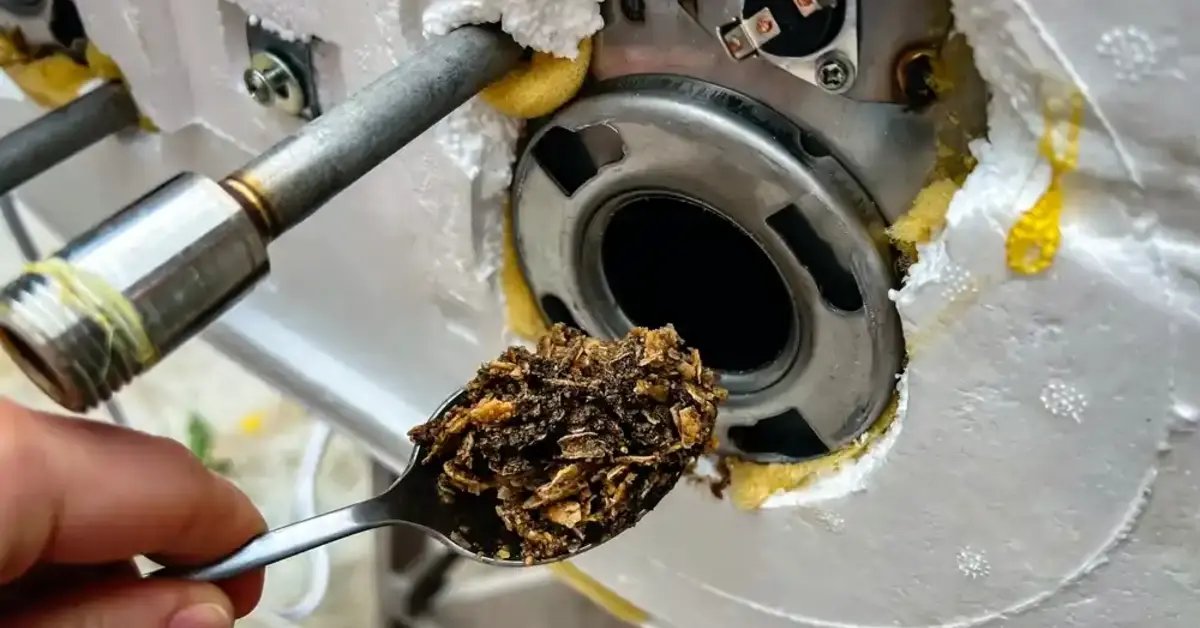
Knowing how to clean your tankless water heater is one of the easiest things you can do to keep your hot water flowing strong and your system running efficiently. Tankless systems require less maintenance than standard tanks, but are not maintenance-free. Over time, you mineral buildup and sediment clogging the system reducing the flow and the performance of the unit.
The good news? When it comes to cleaning a tankless hot water heater, there are lots of diyers who say, Yes, I can do that! In this post, you will know Why cleaning is important, How often to cleaning and How to clean tankless water heater on a step by step basis.
Why Cleaning a Tankless Water Heater Is Important
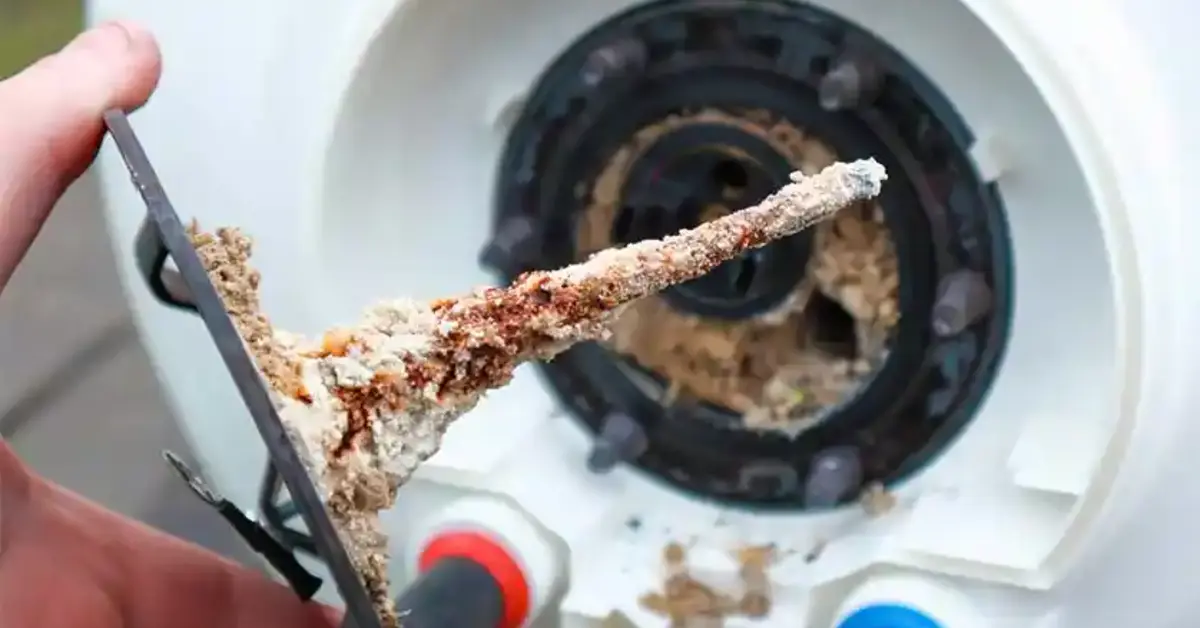
Tankless systems heat water on demand as it runs through the unit. This efficiency has one drawback: minerals such as calcium and lime can accumulate very quickly, particularly in regions with hard water.
If you ignore maintenance, you might observe:
- Less hot water flowing
- Changing Temperature of the Water
- Error codes on the unit
- Increased energy bills
- Reduced lifespan of the water heater
Routine maintenance of on-demand water heater systems keeps scale from building up, protects the internal components, and enables your unit to last 20 years or beyond.
How Often Should You Clean a Tankless Hot Water Heater?
The majority of manufacturers suggest cleaning a tankless water heater annually. But you may need to do it more often if:
- You are in a hard water region
- Your home has a high demand for hot water
- The manufacturer specifically states 6-months maintenance
One year of cleaning is usually sufficient to maintain system efficiency.
Tools and Supplies You’ll Need
Before you begin cleaning the tankless hot water heater parts, collect the following:
- White vinegar or descaling solution approved by the manufacturer
- Submersible pump
- Two washing machine hoses
- Bucket (5 gallons)
- Screwdriver
- Towels
- Gloves
Helpful but not necessary:
- Water heater flush kit
- Soft brush
Step-by-Step: How to Clean Tankless Water Heater
1. Turn Off Power and Water
Power off (gas or electric) and the water valves leading to the unit for safety.
2. Close Isolation Valves
Shut off the isolation valves for both hot and cold water. Briefly open the pressure relief valve to let any remaining pressure escape.
3 Clean the Tankless Water Heater Filter
The filter for the tankless water heater is typically found on the cold water line.
- Take out the filter carefully.
- Wash it with clean water
- Take a soft brush and clean out the debris
- Reinstall once clean
This simple act alone can improve water flow considerably.
4. Flush the System (Descaling Process)
This is the most vital step in how to clean a tankless hot water heater.
- Attach hoses to the service ports
- Set the pump in a bucket of vinegar or descaling solution.
- Run the solution through the heater for 45 – 60 minutes
This melts mineral deposits within the heat exchanger.
5. Rinse with Fresh Water
When descaling is finished:
- Turn off pump
- Drain the solution.
- Flush the system with fresh water for 5 to 10 minutes.
That’s to get rid of any vinegar or debris that’s come loose. Step 6: Re-Power and Test
6. Restore Power and Test
Close all valves and reconnect the water supply. Test hot water at a faucet for normal flow.
You can read about: How Much Does a Hot Water Heater Cost?
Signs Your Tankless Water Heater Needs Cleaning
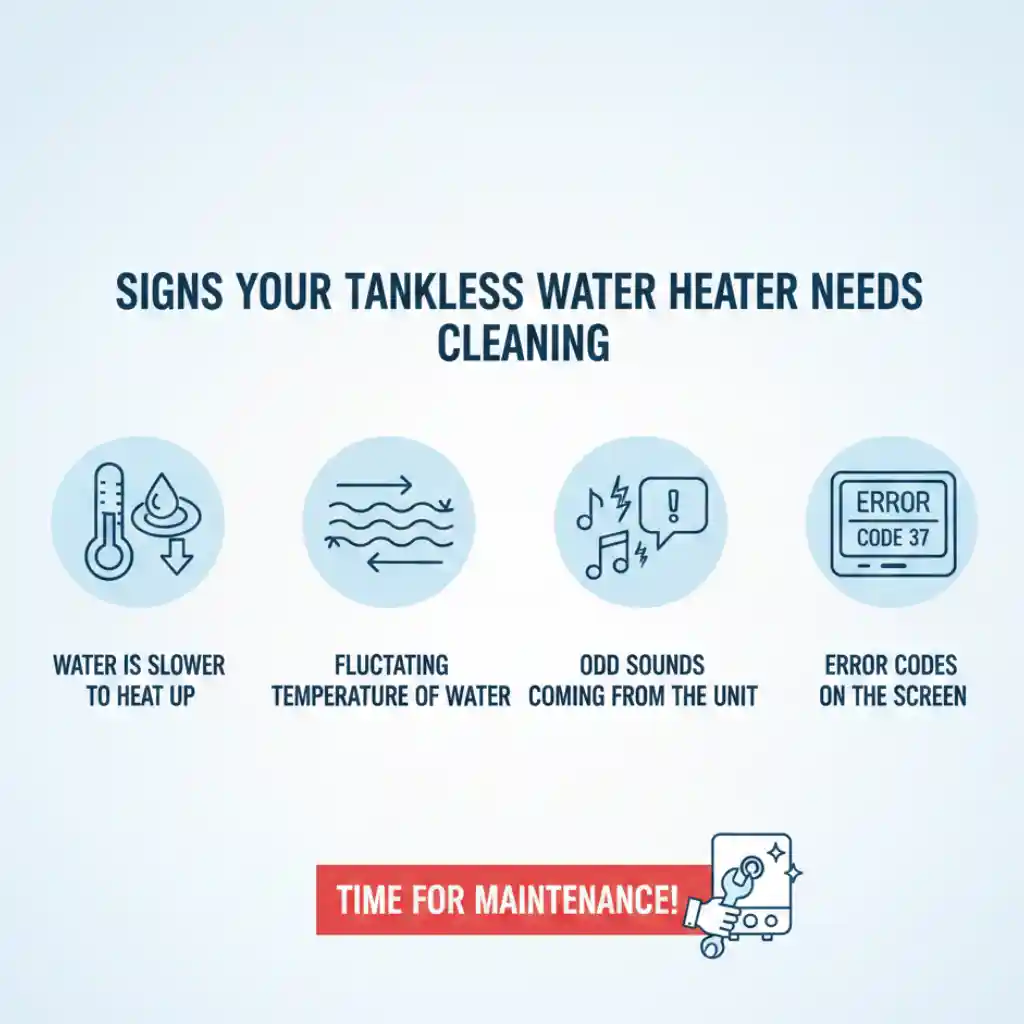
Wondering if the components of your tankless hot water heater need a cleaning? Watch for:
- Water Is Slower to Heat Up
- Fluctuating temperature of water
- Odd sounds coming from the unit
- Codes of error on the screen
These are strong indicators of its time for maintenance.
DIY vs Professional Tankless Water Heater Cleaning
DIY Cleaning
Pros:
- Saves money
- Easy for most people who own homes
- You don’t need any special plumbing license
Cons:
- Takes time and attention
- Improper flushing can ruin the unit.”
Professional Cleaning
A professional technician makes sure:
- Proper descaling
- Complete system assessment
- Warranty requirements
This is usually advised for older models or heavy mineral deposits.
How Much Does It Cost to Clean a Tankless Water Heater?
- Cost of DIY: $20–$50 (supplies only)
- Professional service: $150 to $350
Routine upkeep is a small fraction of the cost of replacing a failed heat exchanger.
Final Thoughts
One of the best things you can do as a homeowner is to learn how to wash a tankless water heater. Simple yearly service cleaning the tankless water heater filter, flushing mineral deposits keeps your system running efficiently, dependably, and for years.
Whether you decide to go the DIY route or hire a professional, please don’t omit this step. A clean on-demand water heater means improved performance, lower energy consumption and less downtime as your unit ages.
For professional tankless water heater installation, repairs, or deep descaling service, contact Derks Plumbing for fast and reliable help.

FAQs
Can I flush my tankless water heater myself?
Yes, you can flush your tankless unit yourself if you have a pump, hoses, and know how to access the tankless water heater filter. DIY flushing works well for basic maintenance, but professional service is safer for deep cleaning.
What is the best solution to clean a tankless water heater?
White vinegar or an approved descaling solution is the best option for cleaning tankless hot water heater systems. These solutions effectively remove mineral buildup without damaging internal parts.
How often should a tankless water heater be cleaned?
Experts recommend cleaning on demand water heater systems at least once a year. Homes with hard water may need cleaning tankless hot water heater units every 6 months for optimal performance.
Can I use vinegar to descale my tankless water heater?
Yes, vinegar is commonly used for how to clean a tankless hot water heater. It safely breaks down calcium and scale buildup while protecting heat exchangers and water lines.
How long should I let vinegar sit in my hot water heater?
For proper cleaning tankless hot water heater maintenance, let vinegar circulate through the system for about 45 to 60 minutes to fully dissolve mineral deposits.