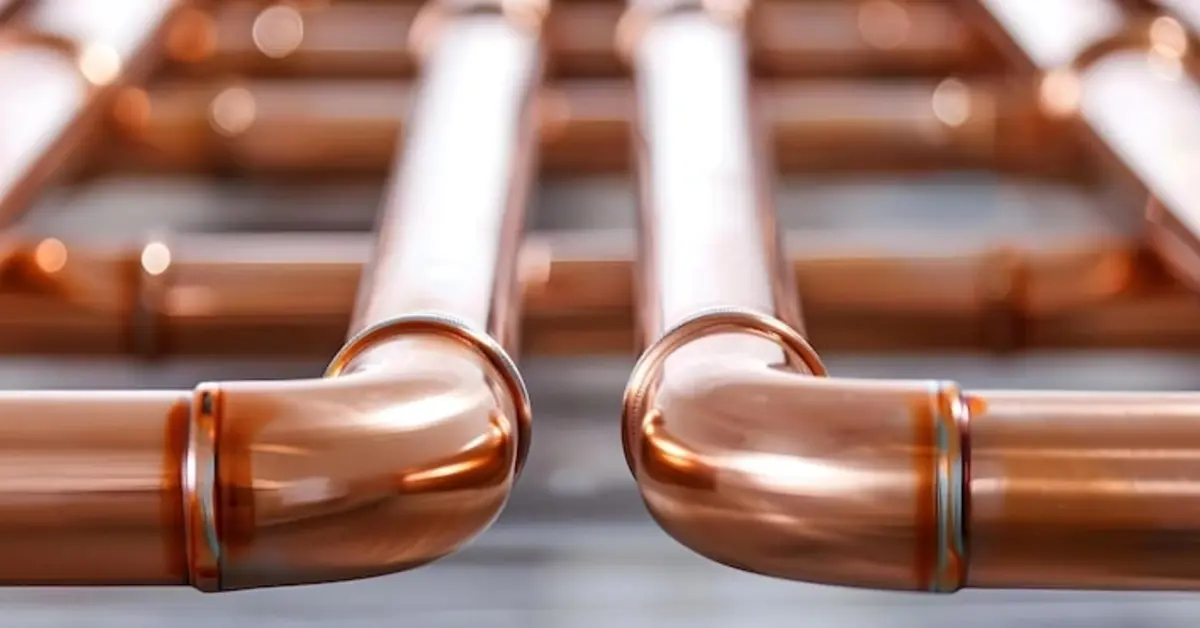
Copper pipes are a trusted choice for home plumbing systems. They’re strong, safe, and can handle both hot and cold water without breaking down. Many homes built in the last 50 years use copper for their water lines.
So, how long do copper pipes last? Most copper pipes work well for 50 to 70 years with proper care. Some can even reach 100 years in the right conditions. The actual lifespan depends on water quality, installation, and maintenance habits.
What is Copper Piping?
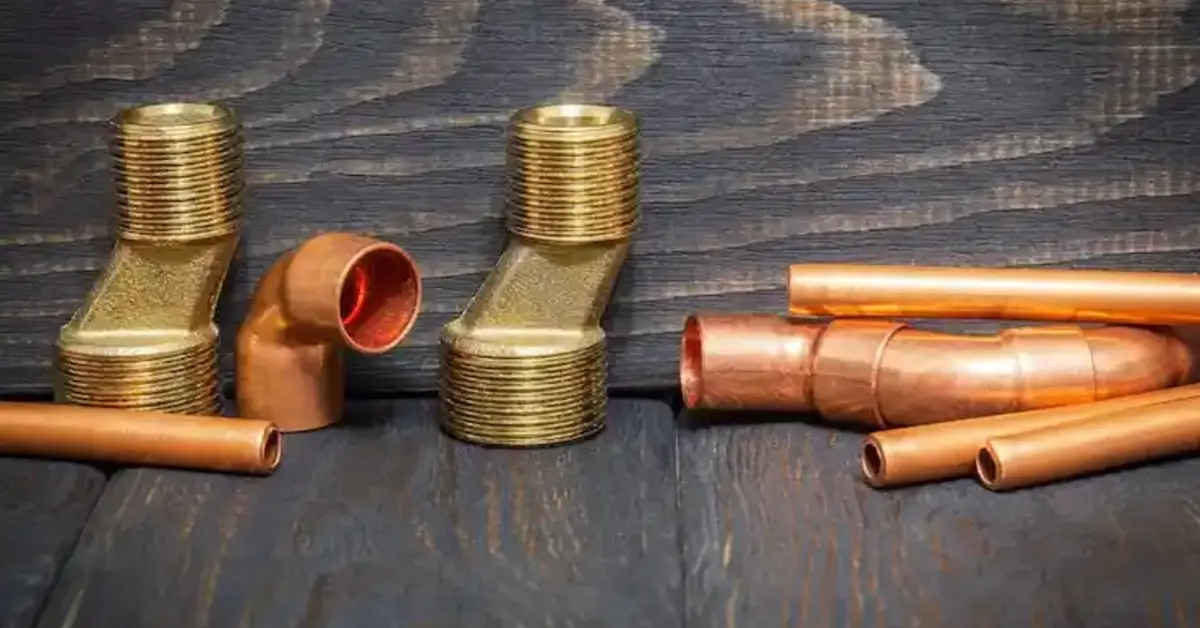
Copper pipes are metal tubes that carry water through your home. They’ve been used in plumbing since the 1960s when they replaced galvanized steel pipes. Copper doesn’t rust like iron, and it stops bacteria from growing in your water supply.
These pipes come in different thicknesses called types. Each type works best for certain jobs in your home’s plumbing system.
Types of Copper Pipes
Type K Copper Pipes
Type K has the thickest walls. It’s the most durable option and often used underground or in commercial buildings. This type costs more but lasts the longest.
Type L Copper Pipes
Type L is the most common choice for homes. It has medium-thick walls that balance cost and strength. Most plumbers use Type L for both water supply lines and indoor plumbing.
Type M Copper Pipes
Type M has the thinnest walls. It’s cheaper but less durable than other types. Some areas don’t allow Type M for certain plumbing jobs because the walls can fail faster.
How Long Do Copper Pipes Last?
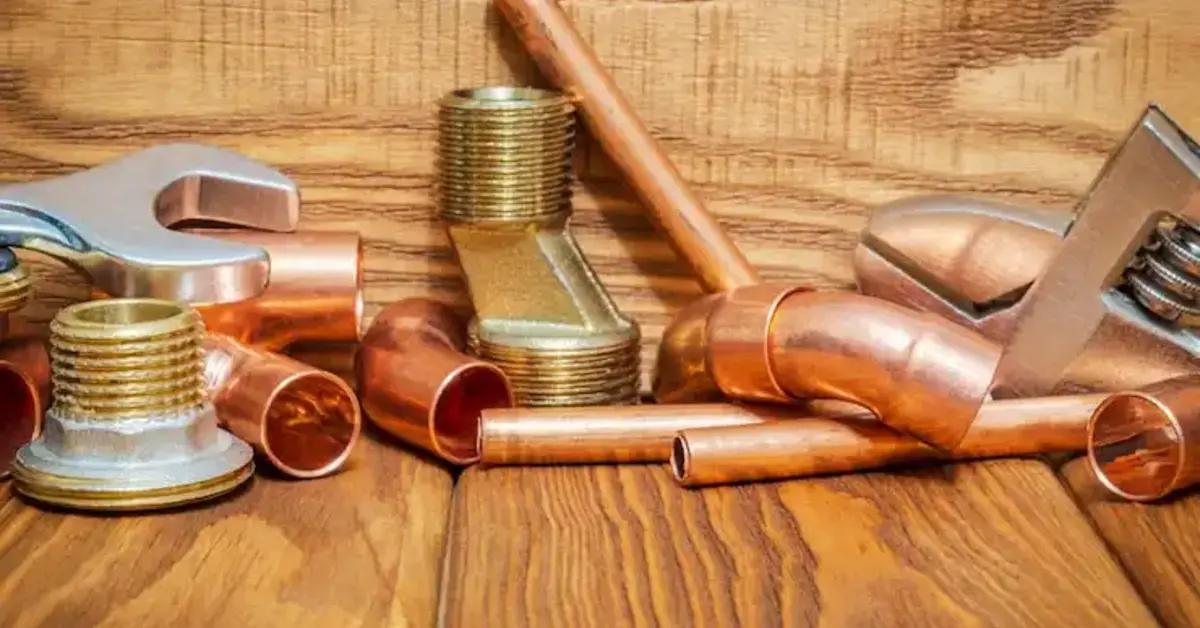
The copper piping lifespan ranges from 50 to 70 years on average. Many factors play into this timeline. Well-maintained systems in homes with good water quality often hit the 70-year mark or beyond.Hard water areas may see shorter lifespans. Pipes exposed to acidic water or high mineral content wear out faster. Installation quality also matters. Properly soldered joints and correct pipe placement help extend the life of copper pipe systems.
Durability and Life Span of Copper Piping
Copper is naturally resistant to corrosion. Unlike plastic or steel, copper forms a protective layer on its surface over time. This layer, called patina, helps shield the pipe from further damage.The lifespan of copper pipes depends on wall thickness too. Type K pipes with thicker walls last longer than Type M pipes. Underground pipes face more stress from soil conditions and may need replacement sooner than indoor pipes.
Temperature swings affect durability. Pipes that carry hot water expand and contract more often. This movement can weaken joints over decades. Cold water pipes face less stress and typically outlast hot water lines.
Factors That Affect the Lifespan of Copper Pipes
Water Quality
Water chemistry plays a huge role in how long copper pipes last. Acidic water with a pH below 7 eats away at copper over time. This process, called corrosion, creates tiny holes called pinhole leaks.Hard water contains high levels of calcium and magnesium. These minerals build up inside pipes and reduce water flow. While buildup doesn’t destroy copper as fast as acid, it causes other problems.Chlorine in city water can also affect copper. High chlorine levels speed up corrosion, especially in hot water lines. Well water often contains different minerals that may either protect or damage pipes.
Installation Quality
Poor installation cuts years off pipe life. Improper soldering creates weak joints that leak early. Using the wrong flux or failing to clean pipes before soldering leads to joint failure.Pipes need proper support. Loose pipes vibrate and stress the joints. Over time, this movement causes cracks and leaks. Professional installation with correct hangers and brackets prevents these issues.Mixing metals causes problems. When copper touches certain metals like galvanized steel, a reaction occurs. This electrochemical process, called galvanic corrosion, eats through the copper faster.
Water Pressure
High water pressure puts constant stress on pipes and joints. Most homes should have pressure between 40 and 80 PSI. Pressure above 80 PSI can damage copper pipes over time.Sudden pressure changes, called water hammer, create shock waves. These waves slam through pipes when you quickly shut off a faucet. Repeated water hammer weakens pipes and fittings.A pressure regulator protects your system. This device keeps pressure steady and prevents damage. Installing one adds years to your copper pipe lifespan.
Temperature Fluctuations
Hot water pipes expand when heated. Cold water makes them contract. This constant movement stresses the copper, especially at joints and bends.Freezing water causes major damage. When water freezes, it expands and can burst pipes. Even one freeze event can ruin a section of piping. Insulating pipes in cold areas prevents this problem.Extreme heat also causes issues. Water heaters set too high push very hot water through pipes. This accelerates the expansion and contraction cycle that wears out copper.
Soil Conditions
Underground pipes face unique challenges. Acidic soil eats through copper just like acidic water. Clay soils retain moisture and increase corrosion risk.Rocky soil can damage pipes through physical pressure. Shifting soil puts stress on pipes and joints. Professional plumbers use protective sleeves for underground copper installations.Soil with high salt content speeds up corrosion. Coastal areas often have this problem. Testing soil before installation helps predict how long copper piping will last underground.
Signs Your Copper Pipes Are Wearing Out
Visible Corrosion
Green or blue stains on pipes signal corrosion. These stains show copper is breaking down. Small amounts aren’t an emergency, but widespread staining means trouble ahead.Flaking or pitting on pipe surfaces indicates advanced corrosion. You might see rough patches or thin spots. These are weak points where leaks will likely develop.
Discolored Water
Blue or green water comes from dissolved copper. This happens when pipes corrode and copper leaches into your water supply. While small amounts aren’t harmful, it shows your pipes are failing.Brown or rust-colored water suggests sediment buildup. This isn’t always a copper pipe problem, but it can signal issues in your plumbing system.
Reduced Water Pressure
Gradual pressure loss often means buildup inside pipes. Mineral deposits narrow the pipe opening and restrict flow. Severe buildup can reduce a pipe’s diameter by half.Sudden pressure drops might indicate a leak. Check for wet spots on walls, ceilings, or floors. A hidden leak can waste hundreds of gallons before you notice.
Strange Noises
Banging or clanging pipes signal a water hammer. This happens when water stops suddenly and creates shock waves. Installing air chambers or water hammer arrestors solves this problem.Whistling or squealing sounds come from high water pressure or partially closed valves. These noises stress your pipes and speed up wear.
Leaks
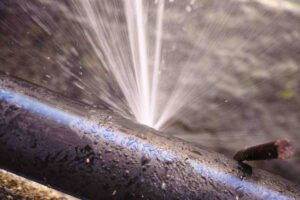
Small drips at joints often mean worn gaskets or failed solder. These leaks usually start slow but grow worse over time. Catching them early saves money and prevents water damage.Pinhole leaks appear as tiny streams of water. These holes form when corrosion eats through the pipe wall. One pinhole often signals others will follow soon.
Is It Better to Repair or Replace Copper Pipes?
When to Repair
Single leaks in newer pipes (under 40 years old) are usually worth fixing. A plumber can cut out the damaged section and install a new piece. This repair costs much less than full replacement.Leaks at joints often need simple fixes. Replacing a fitting or re-soldering a joint takes an hour or two. The repair lasts if the rest of the system is healthy.
When to Replace
Multiple leaks signal system-wide failure. If you’re fixing leaks every few months, replacement makes more sense. Constant repairs cost more in the long run.Pipes over 50 years old should be replaced if problems start. The life span of copper pipe at this age means more failures are coming. Replacing everything now prevents emergency repairs later.Buying an older home? Consider replacing pipes even if they’re not leaking yet. Many insurance companies offer discounts for updated plumbing. The peace of mind is worth the investment.
Cost Considerations
Repairing a single leak costs $150 to $400. Full home repiping ranges from $4,000 to $15,000 depending on home size. These numbers help you decide which path makes financial sense.Factor in potential water damage. A failed pipe can cause thousands in repairs to floors, walls, and belongings. Replacement eliminates this risk for decades.
You can read about: How to Fix Pinhole in Copper Pipe
How to Maintain Copper Piping
Monitor Water Quality
Test your water pH yearly. Home test kits cost under $20. If pH drops below 6.5, consider a neutralizer system. This device raises pH and protects your pipes.Check for hard water signs like soap scum and scale. A water softener removes minerals that damage pipes. Softeners cost $400 to $2,500 to install but extend pipe life significantly.
Control Water Pressure
Install a pressure gauge on an outdoor faucet. Check pressure monthly. If it’s above 80 PSI, add a pressure-reducing valve. This $200 to $400 investment protects your entire system.Fix dripping faucets quickly. Even slow drips cause pressure fluctuations that stress pipes. Most faucet repairs take 30 minutes and cost under $50.
Prevent Freezing
Insulate pipes in unheated areas. Foam pipe insulation costs pennies per foot. Focus on crawl spaces, attics, and exterior walls. This simple step prevents burst pipes in winter.Let faucets drip during freezes. Moving water doesn’t freeze as easily. Open cabinet doors under sinks to let warm air reach pipes. These tricks save pipes when temperatures drop.
Regular Inspections
Check exposed pipes twice a year. Look for green stains, moisture, or soft spots in walls nearby. Catching problems early prevents major damage.Hire a plumber every 5 years for a full inspection. They can check hidden pipes and spot issues you’d miss. This $150 to $300 service catches problems before they become emergencies.
Drain Maintenance
Don’t use chemical drain cleaners. These products contain acids that eat through copper. Use a snake or call a plumber instead. Protecting your pipes matters more than a quick fix.Flush your water heater yearly. Sediment buildup in the heater can enter pipes and cause damage. This 30-minute task improves water quality and protects pipes.
Conclusion
Copper pipes remain one of the best choices for home plumbing. With proper care, they deliver clean water for 50 to 70 years or more. Understanding what affects their lifespan helps you protect your investment.Watch for warning signs like discolored water, pressure changes, and visible corrosion. Address small problems before they become expensive emergencies. Regular maintenance and monitoring catch issues early.
If you’re experiencing copper pipe problems or need an inspection, professional help is available. Derks Plumbing offers expert copper pipe repair in Eagle Rock and surrounding areas. Our experienced team can assess your system and recommend the best solution for your home.The life of a copper pipe depends on many factors, but smart maintenance gives you decades of reliable service. Take care of your pipes, and they’ll take care of you.
FAQs
Q1: What is the most common cause of copper pipe failure?
The most common cause is internal corrosion known as pitting. This is usually due to aggressive or corrosive water chemistry, such as high acidity (low pH) or high levels of dissolved solids like chlorides and sulfates. This corrosion leads to the tiny, hard-to-spot pinhole leaks that signal a failing system.
Q2: Is copper piping better than PEX?
Copper and PEX (cross-linked polyethylene) both have advantages. Copper has a much longer proven lifespan (50+ years vs. 25-50 years for PEX), is recyclable, and resists bacterial growth. PEX is cheaper, easier to install, and won’t burst due to freezing, but its durability is still being proven over the long term. For the absolute longest durability and time-tested performance, copper remains the top choice.
Q3: How often should I check my water’s pH for copper pipes?
If you have your own well or are experiencing early-stage pipe issues, you should test your water’s pH and mineral content annually. If you are on a municipal water supply, testing every few years is sufficient unless the city reports a major change in water treatment or source. Maintaining a neutral pH is essential for extending the life span of copper pipe.
Q4: Does hard water or soft water cause more damage to copper pipes?
Both can cause damage. Soft water (low mineral content) is often corrosive and can cause copper to leach into the water, leading to pinhole leaks. Hard water (high mineral content) can cause scale buildup inside the pipes, restricting flow and trapping corrosive agents. The best water for copper pipes is balanced: slightly hard with a neutral pH.
Q5: Can I mix different types of copper pipes in my home?
Yes, it is common to mix them. For instance, a plumber might use the thicker Type L pipe for high-stress areas and Type M for standard interior runs, as long as it meets local building code. However, it is always recommended to use Type L for all water supply lines to ensure a consistent and long copper piping lifespan throughout the system.