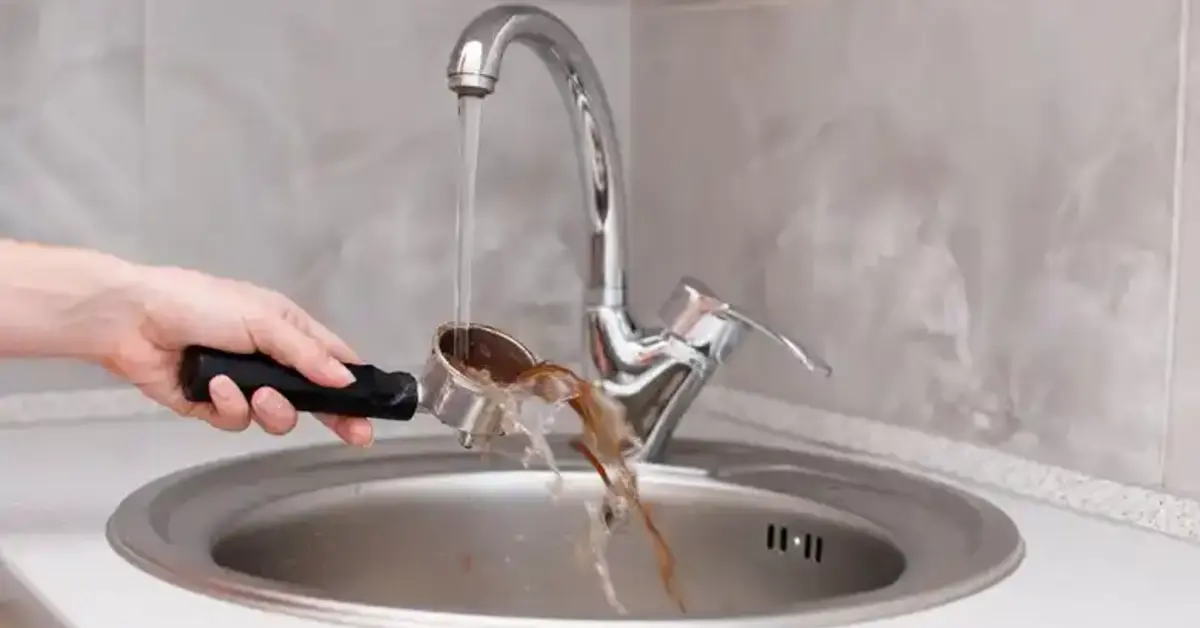
No, you should never put coffee grounds in your sink. They do not dissolve in water like salt or sugar. Instead, they clump together and form a thick paste. This paste gets stuck in the bends of your pipes. It will lead to a very messy and expensive clog eventually.
Many people ask can you put coffee grounds down the sink while using a drain board. Even if you have the best setup, the grounds will still ruin your plumbing. Always throw them in the trash or your garden instead.
Can you put coffee grounds down the sink?
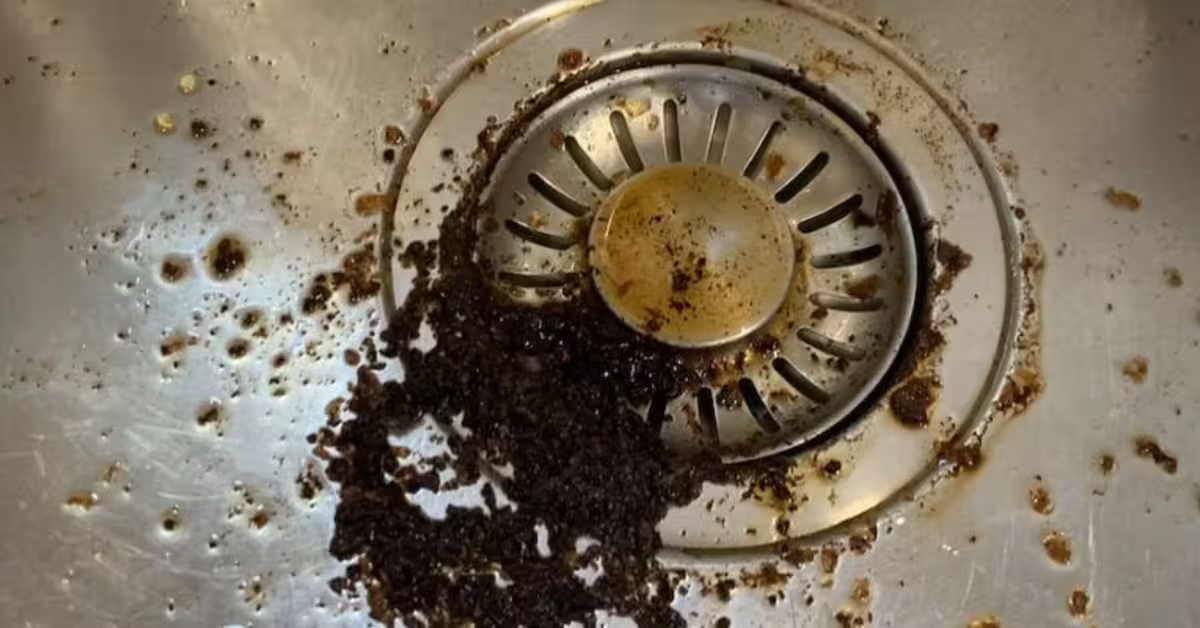
The short answer is a loud no. Most people think because the grounds are small, they will just flow away. This is a big mistake that many homeowners make every morning. Coffee grounds are organic, but they are very tough. They act more like tiny rocks than food waste. When you rinse them away, they do not stay separate. They find other debris in your pipes and start to build a wall.
Why Grounds and Water Don’t Mix
Water usually helps things move through your pipes. But coffee grounds are different. They are dense and do not break down. When they get wet, they become heavy and sink to the bottom of the pipe. They do not float away like a piece of bread might. Instead, they sit there and wait for more grounds to join them. This creates a solid mass that water cannot pass through.
The Science of the Sink Clog
Pipes are designed to carry liquid and small, soft bits of food. Coffee grounds are coarse and abrasive. They have natural oils that make them sticky. This stickiness is what makes them so dangerous for your plumbing. They grab onto the sides of the metal or plastic pipes. Once one ground sticks, thousands of others follow. It is like building a dam inside your kitchen wall.
Myths About Running Hot Water
Some people think running hot water will melt the grounds. This is not true at all. Hot water might melt grease for a second, but it does nothing to coffee. The grounds will just travel a few feet further before they settle. By the time the water cools down, you have a hard, greasy coffee brick in your drain. No amount of hot water will fix a thick pile of coffee grounds down sink drains.
Are coffee grounds bad for kitchen drains?
Yes, they are one of the worst things you can pour away. Plumbers see this issue more than almost any other type of clog. The kitchen drain is the heart of your home’s waste system. When it stops working, your whole kitchen shuts down. Coffee grounds down drain pipes lead to slow water flow and eventually a complete stop.
Accumulation in the P-Trap
The P-trap is the U-shaped pipe under your sink. Its job is to hold a little water to block sewer gases. Because of its shape, it is the perfect place for coffee to hide. The grounds settle in the bottom of the “U” and never leave. Over weeks or months, the trap fills up. You won’t notice it until your sink takes ten minutes to drain. By then, the pipe is already packed tight.
Sludge Formation with Soap and Grease
Your kitchen pipes are already coated with soap scum and old grease. When you add coffee grinds in sink water, they stick to this gunk. It creates a substance often called “sludge.” This sludge is very thick and hard to remove. It does not wash away with a simple plunger. It often requires professional tools to scrape the inside of the pipe clean again.
Long-term Pipe Damage
Repeatedly putting grounds down the drain can wear out your pipes. The gritty texture acts like sandpaper. Over years, this can thin the walls of your metal pipes. It can also lead to leaks at the joints. Fixing a leak inside a wall is much more expensive than throwing grounds in the trash. It is a risk that is never worth the five seconds you save.
Can coffee grounds clog pipes?
They definitely can and they usually do. If you do it once, you might get lucky. If you do it every day, you are guaranteed to have a problem. Many people wonder will coffee grounds clog drains if they use a lot of water. The answer is still yes. Water pressure in a home is not strong enough to clear out heavy, wet grounds.
Comparison with Other Food Waste
Compare coffee to something like a piece of boiled carrot. A carrot is soft and will eventually break apart. Coffee grounds are the seeds of a fruit. They are meant to survive in nature. They do not soften or rot quickly. They stay hard and gritty for a very long time. This makes them much more likely to cause a blockage than most other kitchen scraps.
Warning Signs of a Blockage
You can tell if your pipes are starting to fail. First, you might hear a gurgling sound after the water goes down. This is air trapped behind a growing pile of coffee. Next, you will see the water level stay high for a few seconds. Finally, you might notice a bad smell. If you see these signs, stop putting coffee grounds sink waste down the drain immediately.
How Ground Size Matters
The type of coffee you drink matters too. Espresso grounds are very fine and turn into a paste quickly. French press grounds are coarse and act like gravel. Both are dangerous but in different ways. Fine grounds create a seal that blocks all water. Coarse grounds catch other food bits like hair or pasta. No matter the size, they belong in the trash.
Can you put coffee grounds down the sink with a garbage disposal?
A garbage disposal is not a magic hole. It is designed to grind up soft food waste. It does not have the power to destroy coffee grounds. In fact, the disposal can make the problem worse. It spins the grounds and flings them into the drain line with force. This packs them even tighter into the pipes.
The Disposal Blade Myth
Many people think the blades will grind the coffee into nothing. But a disposal does not have sharp blades like a blender. It has small impellers that push food against a grind ring. Coffee grounds are already smaller than the holes in that ring. They just pass through without being changed. The disposal does not help at all in this case.
Impact on the Disposal Motor
Coffee is very heavy when it is wet. If a large amount gets into the disposal, it can jam the motor. You might hear a humming sound, which means the motor is stuck. This can burn out the machine. Replacing a garbage disposal costs hundreds of dollars. It is a very high price to pay for a simple mistake.
Disposal Drainage Issues
Even if the disposal stays clear, the pipes attached to it will not. The disposal uses a small amount of water to move waste. This is not enough to carry heavy coffee through the long pipes under your house. Most disposal clogs happen about three to five feet down the line. This is a very hard spot to reach with a basic home snake.
What happens if coffee grounds go down the drain?
The moment you pour them, a clock starts ticking. You might not see the problem today. But inside the walls, the grounds are settling. They find a flat spot or a corner and stay there. Every cup of coffee you make adds another layer to the pile. It is a slow process that ends in a big mess.
Immediate Plumbing Backups
If you pour a whole pot of old grounds at once, the backup can be instant. The water will stop moving and start to rise. It might even back up into your dishwasher. This happens because the grounds create an airtight plug. This is a plumbing emergency that usually requires a pro to fix.
Bad Smells and Bacteria
Coffee grounds are organic. Once they are stuck in a dark, wet pipe, they start to rot. This creates a very sour and bitter smell. It can make your whole kitchen smell like old garbage. The grounds also provide a home for bacteria and drain flies. These tiny flies love the damp, rotting environment of a coffee-filled drain.
Hidden Main Line Problems
The worst-case scenario is a main line clog. If the grounds make it past your sink, they can settle in the big pipe under your house. If this pipe clogs, every drain in your home will stop working. You won’t be able to flush the toilet or take a shower. This is the most expensive repair in residential plumbing.
You can read about: how to replace and install a kitchen sink
What is the proper way to dispose of coffee grounds?
Since you now know the answer to can you put coffee grounds down the sink, you need a better plan. There are many ways to get rid of them that actually help your home. You can turn waste into something useful. At Derks Plumbing, we suggest keeping a small bin on your counter just for coffee.
Composting for Your Garden
Coffee grounds are gold for your soil. They are full of nitrogen, which helps plants grow. You can toss them right into a compost pile. If you do not have a pile, you can sprinkle them on the dirt around your flowers. They help keep the soil moist and even scare away some pests like slugs. This is the most eco-friendly way to handle your waste.
Trash Can Disposal
The simplest way is to use the trash. Just scrape the filter into your kitchen bin. If the grounds are very wet, let them sit in the strainer for a minute first. This keeps your trash bag from leaking. If you are worried about the smell, coffee actually acts as a natural deodorizer. It can help your trash smell better, not worse.
Safe Household Uses
You can use old grounds for cleaning too. They are great for scrubbing grease off of pots and pans. Just use a small pinch and rinse carefully over a bucket, not the sink. If you ever find yourself with a major backup despite your best efforts, you may need Drain Cleaning in Eagle Rock to clear the system. A professional can use a hydro-jet to blast away years of coffee buildup.
Conclusion
Can you put coffee grounds down the sink? No, and now you know exactly why. Those small particles cause big problems in your plumbing system. They don’t dissolve, they accumulate, and they create clogs that are expensive to fix.
The solution is simple. Toss grounds in the trash or compost them. These methods take the same amount of time as rinsing them down the drain. But they save you from future headaches and repair bills.
Your morning coffee routine doesn’t have to threaten your plumbing. Make the right choice with those grounds. Your pipes will thank you. So will your wallet.
FAQs
Do coffee grounds eventually dissolve in pipes?
No, coffee grounds never dissolve in water. They maintain their structure and continue building up over time. Unlike food waste that breaks down, coffee grounds stay intact for months or years in your plumbing.
Can I use hot water to flush coffee grounds down?
Hot water doesn’t help. It might move the grounds further along temporarily, but they’ll still settle and accumulate. Hot water can actually make things worse by melting grease that then re-solidifies with coffee grounds trapped inside.
Are coffee grounds safe for septic systems?
Coffee grounds are especially bad for septic systems. They don’t break down in the septic tank and add unnecessary solid waste. This fills up your tank faster and can damage the drain field.
How much do professional drain cleanings cost?
Basic drain cleaning typically costs $150 to $300. More severe blockages requiring hydro-jetting or pipe access can run $500 to $2,000 or more. Prevention is always cheaper than repair.
What about biodegradable coffee pods?
Even biodegradable pods shouldn’t go down the drain. They’re designed to break down in commercial composting facilities, not in your pipes. Empty the grounds into trash or compost, then dispose of the pod according to package directions.