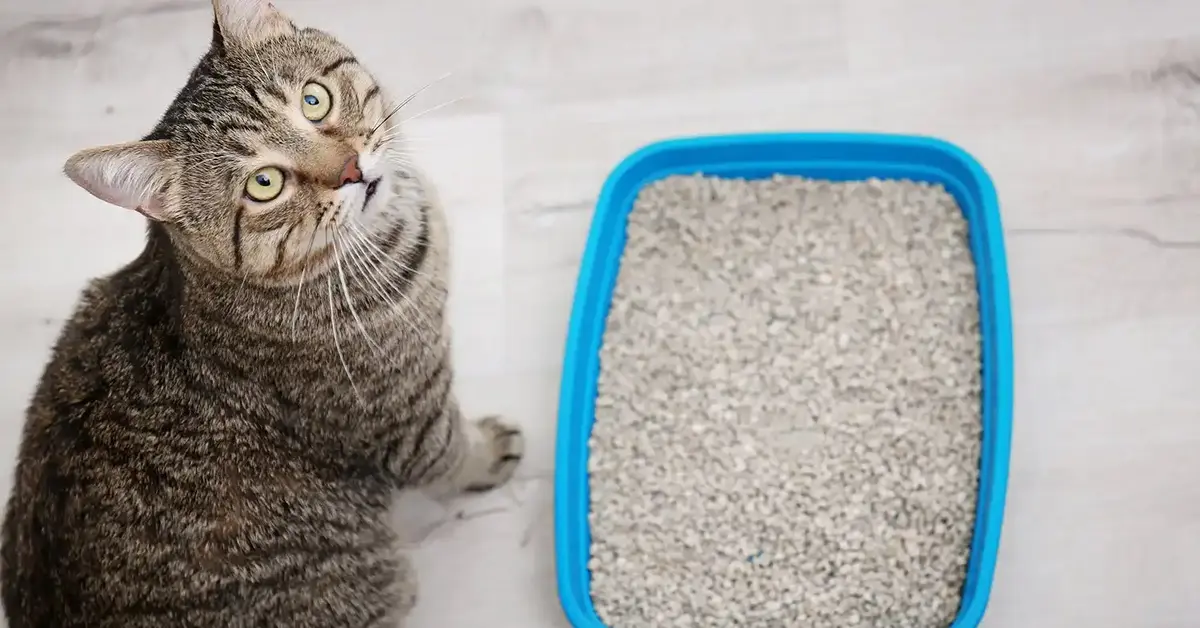
Flushing used cat litter down the toilet seems like an easy fix for a messy chore. This method, however, carries significant risks for both your home’s plumbing and public health. Before you grab that scoop, you need to understand the serious clogs and environmental hazards involved.
So, can you flush cat litter down the toilet? The concise, immediate answer is no, even for products labeled “flushable.” This practice can lead to expensive plumbing failures and introduce a dangerous parasite into the water system. For the sake of your pipes and the environment, dispose of litter in the trash.
Can You Flush Kitty Litter?
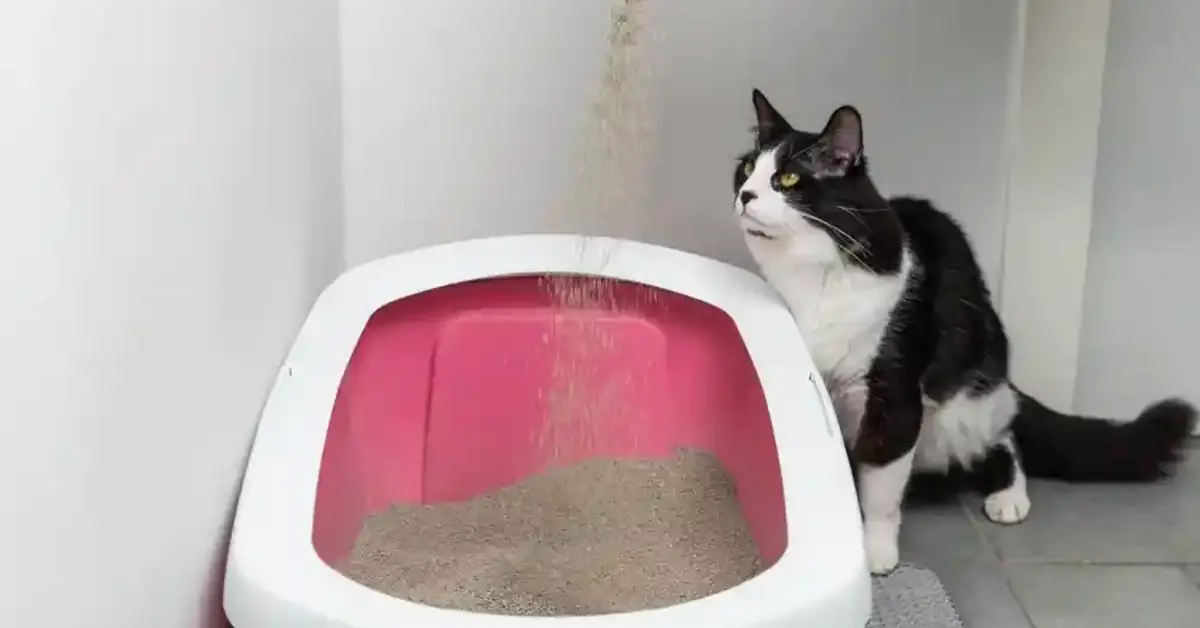
No, you should not flush kitty litter down your toilet. This applies to almost all types of cat litter on the market today.Clay-based litters are the worst offenders. When these litters get wet, they clump together and expand. This is great for scooping, but terrible for your pipes. The clay forms solid masses that stick to pipe walls and create blockages.Your plumbing system wasn’t built to handle solid materials like cat litter. Toilets and pipes are designed for human waste and toilet paper only. These materials break down quickly in water. Cat litter does the opposite: it gets heavier and more solid.
The clumping action that makes litter convenient in the box becomes your enemy in the pipes. As water flows around these clumps, they can catch other debris. Over time, this builds up into a clog that blocks your entire drain line.Even small amounts add up. One flush might seem harmless. But repeat this daily and you’re asking for trouble. The litter accumulates in bends and joints where water flow slows down.
Is Flushable Cat Litter Safe for Plumbing?
Many cat parents ask: If a product is explicitly labeled “flushable,” is it safe for my pipes? This is a fair question, but one with a cautious answer. While “flushable” litters are typically made from biodegradable materials like corn, wheat, wood, or paper pulp they are still not a risk-free choice for your plumbing system.
The core issue is a mismatch between the product’s clumping ability and the speed of disintegration. Even the best plant-based litters designed to break down may not dissolve fast enough to clear your pipes completely.
- The Problem with Clumping: Flushable litters still clump to allow for easy scooping. These clumps are often large and dense, and they may simply travel down your pipes whole before they have time to fully dissolve.
- The Pipes are Too Small: Residential drain pipes, especially in older homes, are not designed to handle any solid material other than human waste and toilet paper (the three P’s: Pee, Poop, and Paper). Small, hard clumps of even flushable kitty litter can get stuck in elbows and bends, leading to a gradual buildup and eventual clog.
- Septic System Damage: If your home uses a septic system, flushing any cat litter is a critical mistake. Septic tanks rely on a delicate balance of bacteria to break down organic waste. Cat litter, even biodegradable types, can upset this balance, settle as sediment, and lead to costly septic field failure.
In short, while a manufacturer may label a product as flushable based on lab tests, those tests rarely account for the age, diameter, and unique twists and turns of real-world residential plumbing. It is far safer to treat all cat litter as non-flushable waste.
What Type of Litter Should Not Be Flushed Down the Toilet?
Understanding which litters to avoid helps protect your plumbing investment. Here are the worst offenders.
Clay and Bentonite Litters
Traditional clay litter is the most common type sold in stores. It’s also the most dangerous for your pipes. Bentonite clay absorbs up to 15 times its weight in water. This creates rock-hard clumps that won’t break down.
These clumps can sit in your pipes for months. They trap other debris and form massive blockages. Professional plumbers often need special equipment to remove them.
Crystal and Silica Gel Litters
Crystal litters don’t clump like clay. But they don’t break down either. These small beads pass through toilet paper but get caught in pipe traps and bends. They accumulate over time and create barriers that block water flow.
Clumping Litters of Any Kind
If the package says “clumping,” don’t flush it. The clumping action works against you in pipes. This includes clay, corn, wheat, and other plant-based clumping formulas.
Scented or Treated Litters
Litters with added fragrances or chemicals pose extra risks. These additives can damage rubber seals in your plumbing. They may also harm septic systems by killing beneficial bacteria.
Heavy or Dense Litters
Some natural litters feel heavy and dense even when dry. Walnut shells and certain wood pellets fall into this category. Their weight makes them sink quickly and settle in pipe low points.
What Kind of Litter Can Be Flushed Down the Toilet?
Technically, some litters claim to be toilet-safe. But the safest answer is still none.If you absolutely must flush litter, only consider these types and only in very small amounts:
Pine or Wood-Based Litters
Non-clumping pine pellets break down better than other options. When wet, they turn into sawdust. This material moves through pipes more easily than solid clumps.
However, you should only flush the broken-down sawdust portion. The solid pellets still pose risks. And you should never flush large quantities at once.
Corn or Wheat Litters (Non-Clumping)
Some plant-based litters are designed to dissolve in water. These work better than clay but still aren’t ideal. Flush only tiny amounts with lots of water.
Paper-Based Litters
Recycled paper litters are softer and lighter. They break apart more readily in water. But they still take longer to dissolve than toilet paper.
Important Limitations
Even with “safe” litters, you face risks:
- Older plumbing can’t handle any type of cat litter
- Septic systems should never receive cat litter
- Even small amounts can accumulate over weeks
- Municipal regulations may prohibit flushing any litter
The safest approach? Don’t flush any cat litter down the toilet. The small convenience isn’t worth the potential damage and expense.
What Happens If You Already Flushed Cat Litter?
Maybe you’ve already been flushing kitty litter. Don’t panic, but do take action quickly.
Immediate Warning Signs
Watch for these symptoms of a developing clog:
- Slow draining toilets
- Gurgling sounds when you flush
- Water backing up in tubs or sinks
- Unpleasant sewer odors
- Multiple fixtures draining slowly at once
If you notice any of these signs, stop flushing litter immediately. The problem will only get worse with time.
What to Do Right Away
First, stop all cat litter flushing. Switch to proper disposal methods today. This prevents adding to any existing blockage.Run hot water down your drains for several minutes. This helps soften and move any litter that’s starting to accumulate. Do this daily for a week.Consider using an enzyme drain cleaner. These products break down organic materials safely. They won’t damage pipes like chemical cleaners can.
When to Call a Professional
If symptoms persist after a week, call a plumber. Don’t wait until you have a complete blockage. Early intervention costs much less than emergency repairs.A plumber can inspect your pipes with a camera. This shows exactly where litter has accumulated. They can remove it before it causes major damage.Be honest with your plumber about flushing cat litter. They need this information to fix the problem correctly and prevent future issues.
Long-Term Prevention
Even after clearing the pipes, damage may remain. Litter can scratch pipe interiors and wear down seals. Schedule an annual plumbing inspection to catch problems early.If you have a septic system, you may need it pumped sooner than planned. Cat litter interferes with the bacterial breakdown process. This fills your tank faster with solid waste.
You can read about: What Happens If You Flush a Clorox Toilet Wand ?
What Ways Can I Better Deal With Cat Poop And Litter?
Since the answer to “can you flush cat litter down the toilet” is a resounding no, adopting safe, eco-friendly, and plumbing-friendly disposal methods is essential. Proper disposal protects your home and minimizes environmental exposure to pathogens like Toxoplasma gondii.
The Simple and Safe Solution: Bag and Bin
The most reliable and universally recommended method for getting rid of cat pooping in toilet material is to seal it and put it in the trash.
- Scoop Daily: Use a dedicated scoop to remove all soiled litter and feces.
- Seal It: Place the waste into a dedicated disposal bag. For maximum odor control and environmental consciousness, use biodegradable waste bags specifically designed for pet waste.
- Tie and Toss: Seal the bag tightly to contain odors and dispose of it in your regular outdoor trash can. The waste then goes to a lined municipal landfill, where it is contained and prevents contamination of water supplies.
Exploring Eco-Friendly Alternatives
For those dedicated to an eco-conscious lifestyle, there are alternatives, but they require careful management:
- Composting (Litter Only): Some all-natural litters, like certain wood or paper pellets, can be composted. Crucially, you must only compost the clean, unused material or the urine-soaked material. Never compost any litter that contains cat feces due to the risk of Toxoplasma gondii contamination. This compost should also only be used on ornamental plants, never on vegetables or herbs.
- Litter Disposal Systems: Look into popular systems that individually wrap and seal waste, keeping odors completely contained until trash day. These are excellent for multi-cat households.
The Role of Professional Plumbing Support
If you have experienced slow drains or are concerned about the age or condition of your pipes, consulting a professional is a wise, proactive step. For instance, our expert team at Derks Plumbing can assess your system. We offer comprehensive Plumbing Consultant Services in Eagle Rock to inspect your drain lines, identify any potential clogs from previous flushing, and advise on best practices to keep your plumbing flowing smoothly.
Conclusion
Can you flush cat litter down the toilet? The answer is a clear no. Even products labeled as flushable pose serious risks to your plumbing, septic system, and local water quality.Cat litter belongs in the trash, not in your pipes. The few seconds you save by flushing aren’t worth the hundreds or thousands you’ll pay in repairs. Clay litters, crystal litters, and clumping formulas are especially dangerous.The best approach is simple: scoop daily into bags and dispose of them with your regular trash. Use a sealed container to control odors. Your plumbing will last longer, your water bill will stay lower, and you’ll avoid emergency repair calls.If you’ve been flushing litter, stop now.
Watch for warning signs of clogs and call a plumber if problems develop. The sooner you address blockages, the less damage they cause.Taking proper care of cat waste protects your home, your community’s water systems, and marine life. It’s a small effort that makes a big difference.For more guidance on protecting your plumbing from common mistakes, Contact us to Derks Plumbing. Professional advice helps you maintain a healthy home plumbing system that serves you well for decades.
FAQs
Can you flush cat poop without litter?
No, you shouldn’t flush cat poop even without litter attached. Cat feces can contain harmful parasites that water treatment facilities may not remove completely. These parasites pose risks to marine life and human health. Always dispose of cat waste in sealed bags with your regular trash.
What should I do if my toilet is clogged with cat litter?
Stop using the toilet immediately. Don’t flush again, as this can make the clog worse. Try a plunger first with firm, steady pressure. If that doesn’t work, call a professional plumber. Don’t use chemical drain cleaners, as they rarely work on litter clogs and can damage pipes.
Is flushable cat litter really safe for septic systems?
No, even flushable cat litter harms septic systems. The solid material settles in your tank and reduces its capacity. Cat waste also contains bacteria that disrupts the natural breakdown process in septic tanks. Stick to proper trash disposal regardless of what the package claims.
How often should I clean my cat’s litter box?
Scoop solid waste daily for best odor control and your cat’s health. Completely change the litter and clean the box every two to three weeks. More frequent cleaning keeps your home fresher and encourages your cat to use the box consistently.
Can I flush small amounts of cat litter?
Even small amounts cause problems over time. Each flush deposits material in your pipes. This accumulates at bends and joints until a clog forms. What seems harmless today becomes an expensive repair in a few months. Always dispose of cat litter in the trash, no matter how small the amount.