A leaking water heater can damage your home and create serious safety risks. Water may reach electrical parts, weaken nearby floors, or cause mold to grow. Some leaks come from loose pipe connections, while others point to a damaged tank or faulty pressure valve. Finding the source early can help prevent costly repairs and protect your family. Never ignore water around your heater, even if the leak looks small.
Is a leaking water heater dangerous? Yes, it can be. Turn off the water supply if safe, avoid wet electrical areas, and arrange a professional inspection. If you smell gas, leave the home and contact your gas provider or emergency services from a safe location.
Is a Leaking Water Heater Dangerous?
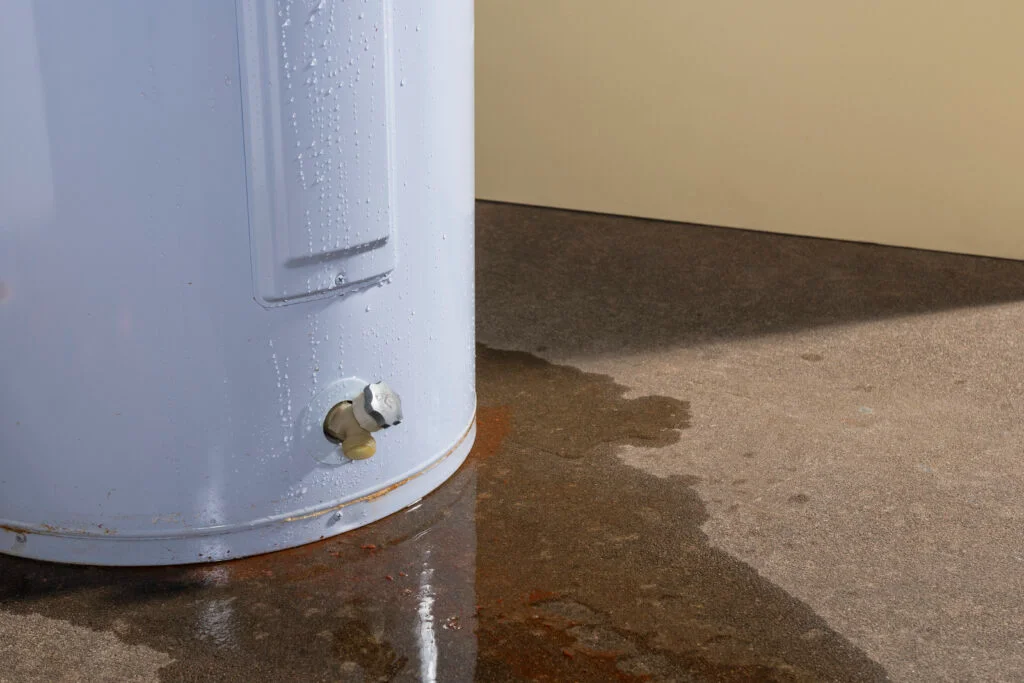
The danger depends on where the water comes from and how much is leaking. A loose pipe fitting may cause a small drip that a plumber can repair. A leaking tank, faulty pressure relief valve, or damaged electrical part needs more urgent attention.
Here are the main risks:
- Water damage: Leaks can damage floors, walls, cabinets, and nearby belongings.
- Electrical hazards: Water near wiring or electrical parts can create a shock risk.
- Mold growth: Ongoing moisture can support mold growth on damp materials.
- Burn injuries: Hot water escaping from a damaged valve can cause burns.
- Gas hazards: A gas leak near a gas water heater can create a fire or explosion risk.
If you are asking, is a hot water heater leak dangerous, the answer depends on the source. A small fitting leak may be manageable, but you should still have it checked. A leak from the tank itself often means the unit needs replacement.
What Should You Do If Your Water Heater Is Leaking?
Take these steps to reduce the risk of injury and water damage.
- Keep people away from the leak. Do not touch the heater, wet wires, or nearby electrical equipment. Keep children and pets away from the affected area.
- Shut off the water supply if safe. If you can reach the cold-water shutoff valve without crossing standing water or touching damaged equipment, close it. If the valve is unsafe to reach, leave it alone and call for help.
- Turn off the energy supply only from a safe location. For an electric heater, use the breaker only if the electrical panel is dry and safe to reach. Never step into water to reach a switch. For a gas heater, use the shutoff only if you can do so safely and there is no gas smell. If you smell gas, leave immediately and do not operate switches or flames.
- Protect nearby belongings. Move items away from the leak only if the area is safe. Do not attempt to lift or move the water heater.
- Call a qualified plumber. Tell them where the water appears, how quickly it is leaking, and whether the heater uses gas or electricity. Leave repairs to a professional if you are unsure about the cause.
When Is a Leaking Water Heater an Emergency?
Some leaks need immediate attention because they can threaten your safety or quickly damage your home.
Treat the situation as an emergency if:
- Water is spreading toward electrical outlets, wiring, or appliances.
- The tank is leaking heavily or water is flooding the room.
- You hear unusual pressure noises or see steam escaping.
- Hot water is sprayed from a valve or pipe.
- You smell gas or hear a suspected gas leak.
- The heater shows signs of burning, smoke, or electrical damage.
If you smell gas, leave the building without operating lights, switches, or appliances. Call your gas provider or emergency services from outside. Do not return until the area has been declared safe.
Even a slow drip needs prompt attention. A small leak can damage flooring or walls over time, especially when the heater sits in a closet, attic, or finished basement.
What Causes a Water Heater to Leak?
Several problems can cause water to collect around a water heater. The source helps determine the right repair.
Loose pipe connections: Hot and cold water pipes connect to the heater through fittings. Wear, corrosion, or poor seals can cause these joints to leak.
Faulty drain valve: The drain valve near the bottom of a tank can loosen or wear out. Water may drip from the valve or its connection.
Damaged pressure relief valve: The temperature and pressure relief valve releases water when pressure or temperature becomes too high. Constant dripping may signal a faulty valve or a pressure problem. Never plug or block this safety valve.
Tank corrosion: Older storage tanks can rust from the inside. Once the tank develops a leak, replacing the unit is usually the practical solution.
Worn seals or gaskets: Electric water heaters may leak around a heating element when its seal fails.
High water pressure: Excess pressure can strain fittings and valves. A plumber can check household pressure and determine whether a pressure control or expansion tank is needed.
Condensation: Moisture can form on cool pipes or parts of a heater. Condensation may look like a leak, especially when cold water first enters the tank. Persistent water needs inspection to rule out a real leak.
Where Is Your Water Heater Leaking From?
The leak’s location can offer clues, but it does not confirm the cause by itself.
Water Heater Leaking From the Top
If you find water near the top, check for visible moisture around the hot and cold pipe connections. Loose fittings, worn seals, or a leaking valve connection may be responsible.
People often search for whether a water heater leaking from the top is dangerous. It can be, especially if water reaches electrical parts or comes from a pressure relief valve. Do not tighten fittings or remove covers while the heater is powered or hot. Have a plumber inspect the source.
Water Heater Leaking From the Bottom
Water under the heater may come from the drain valve, a pipe connection, condensation, or the tank itself. A corroded tank can leak from its base and usually cannot be repaired reliably.
So, is a leaking water tank dangerous when water appears underneath? It can cause major water damage, and a tank leak may mean replacement is needed. Do not assume the tank has failed until a professional checks the other possible sources.
Water Leaking From a Valve or Pipe
A steady drip from a valve may indicate a worn part, high pressure, or thermal expansion. Water from a pipe joint may point to a loose or damaged connection. A plumber can test the system and fix the actual cause instead of treating only the visible water.
Can a Leaking Water Heater Cause a Fire or Electrical Hazard?
Yes. Water and electricity are a dangerous combination. If a leak reaches wiring, heating elements, or other electrical parts, it can create a shock risk or damage the equipment.
Gas heaters have different risks. A water leak alone does not mean a fire will occur, but nearby gas leakage, damaged wiring, or a faulty burner can make the situation dangerous.
Keep clear of wet equipment and do not remove access panels. If the area is wet, do not touch the heater or try to unplug it. Shut off power only at a safe, dry breaker location. If you see smoke, sparks, or flames, leave and call emergency services.
Can You Still Use Hot Water if the Heater Is Leaking?
It is best to stop using the heater until the source has been checked. A leak may grow when the unit heats water or pressure changes. Continuing to run it can worsen water damage or hide a more serious fault.
Do not relight a gas heater or restore power to an electric unit until a qualified professional says it is safe. If the water is only condensation, the unit may not have a fault, but you should confirm the cause before using it again.
Should You Repair or Replace a Leaking Water Heater?
The best choice depends on the leak’s source, the unit’s age, and its overall condition.
Repair may make sense when:
- A pipe connection has a worn seal.
- A drain valve needs repair or replacement.
- A serviceable part has failed.
- The tank remains sound and the unit is in good condition.
Replacement may be better when:
- The storage tank itself is leaking.
- Corrosion has weakened the tank.
- The heater needs repeated repairs.
- The repair cost is high compared with the cost of a new unit.
Ask the plumber to explain the cause, repair cost, and expected life of the heater. Compare that information before making a decision. Do not replace a unit based only on water found near its base, since condensation or a fitting leak may be responsible.
How Can You Prevent Water Heater Leaks?
Regular checks can help you spot problems before they cause major damage.
- Look for water stains, rust, and damp spots around the unit.
- Check visible pipe connections for signs of moisture.
- Follow the manufacturer’s maintenance schedule.
- Ask a plumber to check pressure and the temperature and pressure relief valve.
- Have sediment removed when recommended for your model and water supply.
- Replace worn parts before they fail.
- Keep the area around the heater clear so leaks are easier to spot.
- Know where the water shutoff valve and electrical breaker are located.
Do not test, remove, or block a pressure relief valve unless the manufacturer’s instructions and a qualified professional say it is safe. The water released may be hot enough to cause serious burns.
Conclusion
A leaking water heater can lead to water damage, mold, electrical hazards, and other safety problems. The right response depends on the leak’s source, so do not ignore even a small puddle. Keep clear of wet electrical parts, shut off the water supply if safe, and contact a qualified plumber for an inspection.
If your unit needs repair or replacement, Derks Plumbing can help you understand your options. For a new unit, learn more about Water Heater Installation in Eagle Rock and choose an option that fits your home’s hot water needs.

Frequently Asked Questions
Is a small water heater leak dangerous?
It can be. A small drip may come from a repairable fitting, but it can also signal a faulty valve or damaged tank. Have the source checked before the leak causes more damage.
Should I turn off my water heater if it is leaking?
Yes, if you can do so safely. Keep away from standing water and wet electrical parts. Use a dry, safe breaker location for an electric heater. If you smell gas, leave the home and call for help from outside.
Can a leaking water heater burst?
A leak does not mean the tank will burst. However, a faulty pressure relief valve or excessive pressure can create serious risks. Never block the relief valve, and have unusual pressure or valve problems checked promptly.
Is a water heater leaking from the bottom serious?
It can be. Water may come from a drain valve or another connection, but it can also signal tank corrosion. A plumber should identify the source before you decide whether to repair or replace the unit.
Can I take a shower if my water heater is leaking?
Avoid using the heater until the leak has been inspected. The leak may worsen during operation, and the unit could have an electrical, pressure, or other fault. Ask a qualified plumber when it is safe to use again.
Who should I call for a leaking water heater?
Call a qualified plumber to inspect the water leak and determine whether the unit needs repair or replacement. If you smell gas, leave the building and contact your gas provider or emergency services instead.


