Mold in a shower can look like black, green, brown, gray, or white spots. It may appear as small dots, fuzzy patches, slimy stains, or dark lines around wet areas. Mold often grows where water stays for a long time. You may see it on grout, caulk, shower walls, ceilings, or around the drain. A musty smell can also be a warning sign.
If you are wondering what does mold in shower look like, look for unusual spots that grow, spread, or return after cleaning. Mold color alone cannot tell you how harmful it is. Moisture is the main reason mold grows, so fixing the water problem is just as important as cleaning it.
What Does Mold in a Shower Look Like?
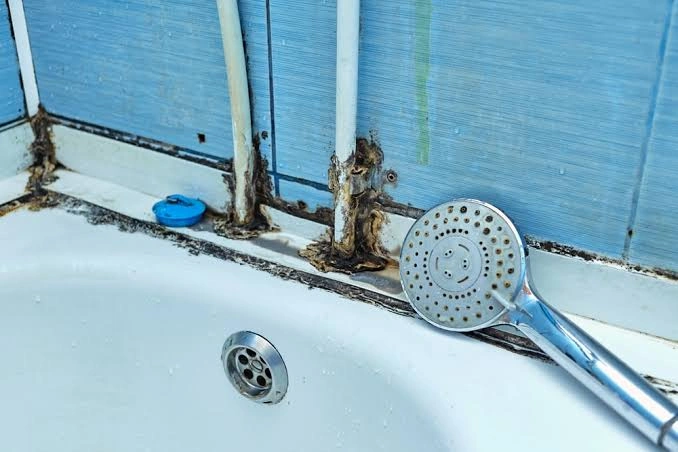
Mold in a shower does not always look the same. Its appearance depends on the type of mold, the surface, and how long it has been growing.
Fresh mold may look like tiny black, green, or gray dots. As it grows, these spots can join together and form larger patches.
Some mold looks fuzzy or powdery. Other growth may look slimy, especially when it stays wet for long periods.
You may notice mold along grout lines first. It can also grow around the edges of the shower, behind bottles, under a soap dish, or around the drain.
White or pink-looking growth can also appear in wet bathrooms. Not every colored spot is mold, though. Some stains come from soap, minerals, dirt, or bacteria.
A key sign is change. If a spot keeps growing after normal cleaning, it deserves closer attention.
Mold can grow on many materials when enough moisture is present. EPA guidance says moisture control is the key to controlling indoor mold.
What Does Black Mold in a Shower Look Like?
Black mold can appear as dark green, brown, or black spots and patches. It may look like pepper sprinkled across the surface or like dark stains spreading along grout.
Some patches have a fuzzy texture. Others look flat and slimy.
The term “black mold” can be misleading. Mold comes in many colors, and color alone does not tell you whether one type is more dangerous than another. CDC guidance also notes that mold color does not determine how harmful it is.
This means you should not try to identify a mold species just by looking at it.
Instead, focus on the source of moisture and the size of the growth. If mold keeps returning, there may be a leak, poor ventilation, or another moisture problem.
Where Does Mold Usually Grow in a Shower?
Mold grows best in areas that stay damp and have limited airflow.
Common spots include:
- Shower grout
- Silicone caulk
- Corners of the shower
- Around the drain
- Under shampoo bottles
- Around shower doors
- Shower curtains
- Ceiling above the shower
- Wall joints
- Areas around plumbing fixtures
Caulk is a common problem area because water can stay against it after every shower.
Grout can also hold moisture. Small cracks or damaged grout can make it easier for water to remain trapped.
Look closely at areas that are rarely wiped or dried. Mold may start in a small hidden corner and slowly spread.
If you notice a shower with mold around one plumbing fixture, check for leaks as well. A small plumbing leak can keep a surface wet even when the shower is not running.
What Causes Mold to Grow in a Shower?
Moisture is the main reason mold grows in bathrooms.
Every hot shower releases water vapor into the air. That moisture can settle on walls, ceilings, mirrors, grout, and other surfaces.
Poor ventilation makes the problem worse. If moist air cannot escape, the bathroom may stay damp for hours.
Other common causes include:
Poor Bathroom Ventilation
A bathroom fan helps remove moist air. Without proper ventilation, water vapor can remain inside the room.
EPA recommends using bathroom exhaust fans or opening windows when showering to improve ventilation.
Plumbing Leaks
A hidden leak behind a wall can keep building materials damp. Mold can then grow where you cannot easily see it.
Leaks around shower valves, pipes, and fittings should be repaired quickly.
Wet Shower Surfaces
Water left on walls and floors gives mold a better place to grow.
A shower that stays wet for long periods is more likely to develop mold.
Damaged Caulk
Cracked or loose caulk can allow water behind the shower surface.
Once moisture gets behind the caulk, cleaning the visible surface may not solve the problem.
Poor Airflow
A closed bathroom door and no working exhaust fan can trap moisture.
Improving airflow after each shower can help the area dry faster.
How Can You Tell If It Is Mold or Mildew?
Mold and mildew are both types of fungal growth, but they can look different.
Mildew often appears as a thin, flat coating on damp surfaces. It may look white, gray, or yellow.
Mold can appear thicker and may spread into irregular patches. It can also appear black, green, brown, gray, or other colors.
However, appearance alone is not a reliable way to identify the exact type.
If you see mildew in the shower, clean the area and reduce moisture. If the growth returns quickly, look for an ongoing water problem.
You should also avoid assuming that every dark shower stain is mold. Soap buildup, mineral deposits, and dirt can create similar marks.
If you cannot determine the cause, a professional inspection may help.
What Does Shower Mold Smell Like?
Mold often has a musty or earthy smell.
The odor may become stronger when the bathroom stays closed. You may notice it even before seeing visible growth.
A musty smell does not prove that mold is present. Other damp materials can create similar odors.
Still, a persistent smell deserves attention, especially when you also see dark spots or damp surfaces.
CDC states that mold can smell musty and recommends removing mold and fixing the moisture problem when mold is present.
If the smell comes from inside a wall or ceiling, there may be hidden moisture.
Is Mold in the Shower Dangerous?
Mold can affect indoor air quality, especially when it grows indoors in damp areas.
Some people may experience symptoms such as stuffy noses, coughing, wheezing, itchy eyes, or skin irritation after mold exposure.
People with mold allergies or asthma may be more sensitive.
CDC notes that damp and moldy environments can be linked with respiratory symptoms and can worsen asthma symptoms in some people.
This does not mean every small spot of bathroom mold will cause illness.
The safest approach is to remove visible mold and correct the moisture source.
Do not rely only on a product that kills mold. If the moisture remains, mold can return.
How Do You Get Rid of Mold in a Shower?
Small areas of mold on hard shower surfaces can often be cleaned at home.
Start by improving ventilation. Open a window or run the bathroom exhaust fan if available.
Wear suitable protective gear when cleaning mold. Avoid creating unnecessary dust or spreading contaminated material.
For hard surfaces, EPA recommends cleaning mold with detergent and water, then drying the surface completely.
Do not simply paint or apply new caulk over visible mold. The mold should be cleaned first, and the surface should be dry before new material is applied.
Never mix bleach with ammonia or other cleaning products. Dangerous fumes can result.
If the mold covers a large area, involves major water damage, or keeps returning, professional help may be needed. EPA advises extra care when mold covers more than about 10 square feet or when major water damage is involved.
When Should You Replace Moldy Shower Caulk?
Sometimes cleaning the caulk is enough. Other times, replacement is the better option.
Replace caulk when it is cracked, loose, badly stained, or has mold growing underneath it.
Surface mold can be cleaned from some types of caulk. But mold that has moved deep into the material may continue returning.
Before applying new caulk, remove the old material completely. Clean the surface and let it dry fully.
Do not seal moisture inside the wall or behind the caulk.
If water has reached the area behind the shower, find and repair the source before replacing the seal.
A new layer of caulk will not solve an active leak.
Why Does Mold Keep Coming Back in My Shower?
Mold often returns because the moisture problem was never fixed.
You can clean a dark patch today and see it again next week if the shower stays damp.
Poor ventilation is one common reason. A fan that does not remove enough moist air can leave the room damp.
A leaking pipe is another possible cause. Water behind a wall can support mold growth even when the shower surface looks clean.
Damaged grout and caulk can also trap water.
EPA states that cleaning mold without fixing the water problem will likely allow the mold to return.
If your mouldy shower keeps developing new spots, look beyond the visible stain.
How Can You Prevent Mold in Your Shower?
The best way to prevent mold is to control moisture.
Run the bathroom exhaust fan while showering and for some time afterward. If you have a window, opening it can also improve airflow.
Wipe excess water from shower walls when practical.
Keep shower curtains spread out so they can dry properly.
Do not leave wet towels on the bathroom floor.
Clean grout and other shower surfaces regularly.
Check caulk for cracks and gaps. Repair damaged areas before water can reach the materials behind them.
Fix leaking faucets, shower valves, pipes, and drains quickly.
EPA recommends keeping indoor humidity low and fixing plumbing leaks and other water problems to help prevent mold.
When Should You Call a Professional for Shower Mold?
Call a professional when mold keeps returning despite proper cleaning and ventilation.
You should also get help when you suspect a plumbing leak behind the shower.
Large areas of mold or major water damage require more care. EPA recommends professional guidance for larger mold problems and certain water-damage situations.
Professional help is also useful when mold appears inside walls, ceilings, or other areas that cannot be reached safely.
A plumbing professional can check for leaking pipes, damaged fittings, drain problems, and other sources of moisture.
Fixing the water source is often the most important step.
Conclusion
So, what does mold in shower look like? It can look like black, green, brown, gray, or white spots and patches. It may appear on grout, caulk, shower walls, ceilings, corners, and other damp surfaces.
The most important step is not only cleaning the visible growth. You also need to control the moisture that allows it to grow.
Improve bathroom ventilation, dry wet surfaces, repair plumbing leaks, and replace damaged caulk when needed.
If mold keeps coming back, there may be a hidden water problem behind the shower. Derks Plumbing can help find plumbing leaks and moisture sources that may be contributing to repeated mold growth.
For professional plumbing help in Eagle Rock, contact Derks Plumbing for an inspection and the right repair solution.

FAQs
What does mold in shower look like?
Mold in a shower can look like black, green, brown, gray, or white spots. It may appear as dots, fuzzy patches, slimy areas, or dark lines around grout and caulk.
Is black mold in a shower always dangerous?
No. You cannot determine how harmful mold is simply by its color. Different types of mold can have similar colors. The best step is to remove visible mold and fix the moisture source.
What is the difference between mold and mildew in a shower?
Mildew often appears as a thin surface coating. Mold can form thicker patches and grow deeper into some materials. Appearance alone cannot confirm the exact type.
Why does mold keep coming back after cleaning?
Mold often returns when moisture remains. Poor ventilation, leaks, wet surfaces, damaged caulk, and hidden water can all support new growth.
Can shower mold grow behind the wall?
Yes. A leaking pipe or damaged shower seal can allow water behind the wall. Hidden moisture can support mold growth that may not be visible from the bathroom.




