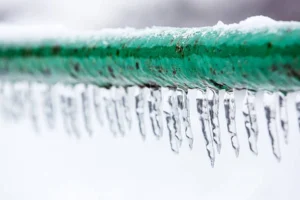
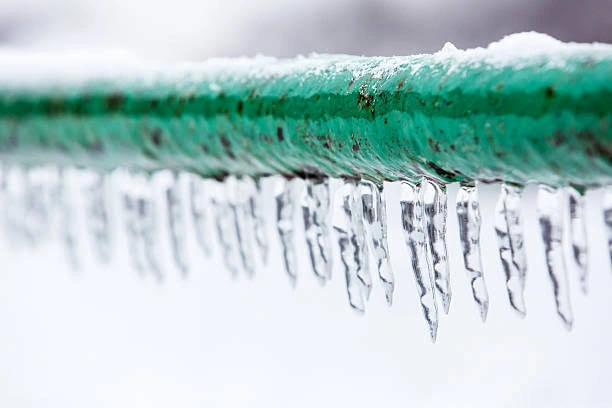
When subzero weather strikes, household plumbing becomes vulnerable to freezing. If you turn on your faucet and only a trickle comes out, you likely have ice blocking your lines. Most homeowners immediately ask the same question: how long for pipes to thaw naturally?
Frozen pipes usually take between 2 to 6 hours to thaw naturally once the surrounding indoor temperature rises above 40 degrees Fahrenheit. However, if the frozen line sits inside an uninsulated exterior wall or crawl space, natural thawing can take up to 24 hours or longer. Knowing how long for pipes to thaw naturally helps you plan your next steps and prevent costly water damage.
Will Frozen Pipes Fix Themselves?
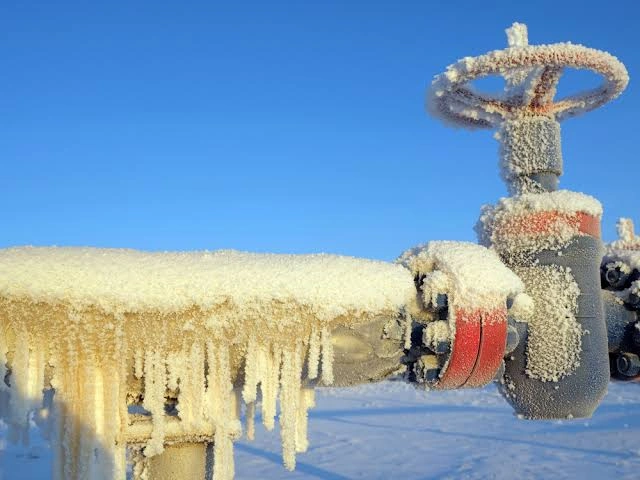
A frozen pipe will not simply fix itself without proper conditions. While ice inside the line will eventually melt when temperatures rise, waiting for passive thawing comes with major home risks.
When water freezes into ice, it expands by roughly 9%. This physical expansion creates extreme internal pressure within metal or plastic lines. The ice block itself does not always break the pipe. Instead, the expanding ice forces trapped water toward closed faucets, building immense hydraulic pressure behind the blockage.
If you leave lines to thaw naturally without taking action, that buildup can split your plumbing. A tiny hairline crack can release hundreds of gallons of water per hour once the ice plug melts completely. Leaving frozen lines unattended means gambling with potential structural flooding and mold growth.
What Causes Water Pipes to Freeze?
Plumbing systems freeze when exposed to freezing cold air without sufficient insulation or heat transfer. Understanding the primary causes helps you spot vulnerable spots in your layout before cold snaps hit:
Sub-freezing Outside Temperatures: Pipes are at high risk whenever outside temperatures drop below 20 degrees Fahrenheit for several consecutive hours.
Uninsulated Exposure: Supply lines running through unheated spaces like attics, basements, crawl spaces, and garages freeze rapidly because no warm air surrounds them.
Cold Air Drafts: Small gaps around exterior vents, wall penetrations, or foundation cracks let freezing outdoor air blow directly onto copper, PEX, or PVC lines.
Thermostat Drops: Turning your heating down too low at night or while away on vacation lowers indoor wall temperatures, allowing interior plumbing to freeze.
Key Factors Influencing Natural Thaw Times
Every home layout responds differently to cold weather. Several key variables dictate the exact timeframe for ice blockages to clear on their own:
1. Location of the Blockage
Lines running through interior walls thaw rapidly because ambient home heat warms the surrounding drywall. In contrast, plumbing located inside exterior walls, under unheated floors, or beneath outdoor slabs takes much longer to warm up.
2. Pipe Material
Copper and galvanized steel conduct ambient heat faster than plastic materials, slightly accelerating the melt time. PEX and PVC act as mild insulators, meaning heat transfers slower into the frozen core, though PEX is more flexible and resilient against bursting under pressure.
3. Surrounding Room Temperature
A home kept at 70 degrees Fahrenheit transfers heat into wall cavities much faster than a room sitting at 55 degrees. Higher indoor heat significantly shortens the duration required for ice to clear.
What Should You Do If a Frozen Pipe Bursts?
If a line bursts while waiting for how long for pipes to thaw naturally, immediate action is critical to limit property damage:
Shut Off the Main Water Supply: Locate your primary water shutoff valve immediately—usually found in the basement, utility room, or outdoor meter box—and turn it clockwise to stop all incoming flow.
Open Low-Lying Faucets: Open sink taps in your basement or lower levels to relieve remaining pressure and allow residual water to drain safely.
Turn Off Electrical Power: If leaking water approaches electrical outlets, breaker boxes, or appliances, shut off power to those zones at the main panel to prevent shocks.
Call Professional Help: Contact a licensed plumber immediately to remove damaged sections and solder or crimp new fittings into place.
Document and Dry: Take clear photographs of damaged property for insurance claims, then use wet vacuums, fans, and dehumidifiers to clean up standing water.
How to Thaw Frozen Pipes Safely
Waiting for natural thawing carries risk, but you can safely accelerate the process using controlled heat. Always keep faucets open while applying heat so melting water can flow out, relieving internal line pressure.
Safe Thawing Methods
- Space Heaters: Place a portable space heater in unheated basements, garages, or rooms to raise the general air temperature near the blockage.
- Hair Dryers: Direct a hair dryer on medium heat back and forth along the exposed pipe, starting from the open faucet and working backward toward the frozen area.
- Warm Towels: Soak towels in hot water and wrap them directly around the frozen section, swapping them out as they cool down.
- Heating Tape: Apply UL-tested electrical heat tape around exposed plumbing to distribute gentle, continuous warmth along the line.
Caution — Dangerous Methods to Avoid: Never use open flames, propane torches, blowtorches, or kerosene heaters to thaw frozen pipes. Extreme direct flame creates thermal shock, which snaps metal fittings instantly and poses a severe fire hazard to surrounding wood studs and insulation.
How to Prevent Pipes From Freezing
Preventing ice blockages is far safer and cheaper than dealing with emergency repairs or waiting on how long for pipes to thaw naturally.
Short-Term Emergency Steps During Deep Freezes
- Drip Your Faucets: Allow a tiny trickle of water to run continuously from faucets served by exposed pipes. Moving water is far harder to freeze.
- Open Cabinet Doors: Keep kitchen and bathroom sink cabinet doors open to allow warm interior room air to circulate around under-sink plumbing.
- Maintain Steady Indoor Heat: Keep your thermostat set to the same temperature during both day and night. Never drop thermostat settings below 55 degrees Fahrenheit when traveling.
Long-Term Winterization Upgrades
- Install Foam Pipe Insulation: Slip pre-slit tubular foam sleeve insulation over all accessible copper, PEX, and steel lines in unheated attics or crawl spaces.
- Seal Air Leaks: Use expanding foam spray or caulk to seal gaps around dryer vents, wiring penetrations, and masonry cracks where cold drafts strike plumbing.
- Add Wall and Ceiling Insulation: Upgrading insulation in exterior walls and rim joists keeps plumbing zones well within the thermal envelope of your home.
Conclusion
Understanding how long for pipes to thaw naturally gives you the knowledge needed to handle winter plumbing emergencies with confidence. While natural thawing usually takes between 2 to 24 hours depending on location and room temperatures, passive waiting increases the threat of line ruptures and severe flooding.
When DIY thawing methods do not work, or if you suspect a hidden rupture behind your walls, do not wait for water to start pooling. Contact Derks Plumbing for fast, professional emergency plumbing services and complete pipe winterization solutions.

Frequently Asked Questions
Can PEX pipes withstand freezing better than copper?
Yes, PEX tubing is flexible and can expand slightly under ice pressure, making it less likely to split than rigid copper or PVC lines. However, repeated freezing can still damage PEX connections and fittings.
Should I leave my faucet turned on while waiting for a pipe to thaw?
Yes, you should leave the faucet partially open. As the ice plug melts, open taps allow water to flow out and relieve dangerous hydraulic pressure inside the line.
How do I know where my pipe is frozen?
Check faucets throughout your home to isolate the blockage. If only one sink lacks water, the frozen section is in the branch line leading to that tap. If no faucets work, the main supply line or meter is likely frozen.