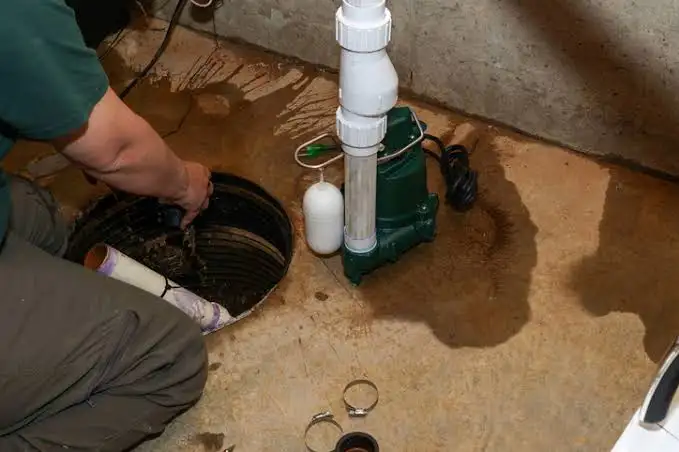
A sump pump protects your basement or crawl space from water damage by pumping out excess groundwater. It sits in a special pit called a sump basin. When water fills the basin, the device automatically turns on and sends the water far away from your foundation.
Groundwater often builds up during heavy rain, storm surges, or melting snow. If you want to know what does a sump pump do for your home, it acts as a silent guard that stops flooding before it starts. This simple device saves homeowners thousands of dollars in water damage repairs.
What Is a Sump Pump?
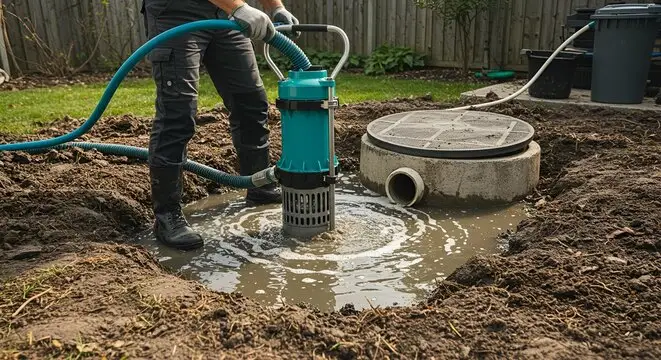
A sump pump is a small electrical appliance installed in the lowest point of a home. Plumbers place it inside a dug-out hole called a sump pit.
The pump stays quiet until water collects inside the basin. Once the water level rises to a set mark, the equipment activates.
Most units run on your main home electricity. Many property owners also install battery backup systems. This setup keeps the equipment running during severe storms when local power goes out.
What Does a Sump Pump Do?
The main job of this equipment is to keep your lower living spaces dry. It collects rising water from around your foundation and pushes it outside.
If you wonder what is a sump pump used for, think of it as a relief valve for groundwater pressure. Without it, water pushes through tiny cracks in your concrete floor or walls.
Understanding what do sump pumps do helps you appreciate home waterproofing. The device moves water through discharge pipes to a safe drain zone far from your foundation walls.
You can read about: How Does a PRV Valve Work
How Does a Sump Pump Work?
The system relies on gravity, pressure, and basic mechanical parts. Drain tiles around your foundation gather rising water and direct it into the pit.
If you want to know how do sump pumps work, the process is straightforward:
- Water enters the pit from underneath or through side drain pipes.
- A floating switch rises as the water level increases inside the basin.
- The float switch triggers the motor once it reaches a preset height.
- The motor spins an impeller to create centrifugal force.
- Water rushes up through a plastic or metal discharge pipe.
- A check valve stops water from flowing back down into the basin when the motor turns off.
Why Do Homes Need a Sump Pump?
Water always takes the path of least resistance. Heavy rain creates pressure in the soil around your foundation. Plumbers call this hydrostatic pressure.
When hydrostatic pressure builds up, water forces its way through solid concrete. Knowing what does a sump pump do to protect your foundation makes the investment obvious. It releases that pressure by giving water a clear pathway out.
Homes built on low-lying ground or clay soil need extra protection. Clay traps water against basement walls instead of letting it drain naturally.
Common Signs You Need a Sump Pump
You do not need to wait for a major flood to upgrade your basement protection. Watch for these clear warning signs around your property:
- Water pools in your basement after light rain.
- Musty odors or visible mold growth appear near floor walls.
- Wall plaster or paint peels near the foundation base.
- Your home sits in a low flat area or at the bottom of a hill.
- You notice white powdery stains on concrete walls called efflorescence.
- Sump pits in your neighborhood stay filled with water year round.
Types of Sump Pumps
Homeowners can choose between two main primary pump designs. Both style choices serve the same basic goal, but they operate differently inside the pit.
Submersible Sump Pumps
A submersible unit rests completely inside the water basin. The motor stays sealed inside a waterproof casing to prevent electrical short circuits.
Submersible units run quietly because surrounding water muffles operational noise. They handle larger water volumes and last longer under heavy use, making them ideal for living spaces.
Pedestal Sump Pumps
A pedestal unit keeps its motor elevated on a tall post above the pit. Only the lower hose and impeller sit in the basin water.
Pedestal pumps cost less and last longer because the motor stays dry. However, they make more noise during operation and take up space above the floor level.
You can read about: What Is Rooter Service
Primary Power vs. Backup Systems
Relying on a single electric pump leaves your home vulnerable during severe weather. High winds often knock out local power grids right when heavy rain falls.
Plumbers recommend adding a battery backup pump alongside your main unit. Battery backup systems run on heavy duty marine batteries. They turn on automatically if power fails or if your primary pump breaks down under heavy strain.
Water powered backup units offer another option. They use your city water pressure to pull water out of the pit without needing electrical power.
Where Is a Sump Pump Installed?
Installation takes place at the lowest point of your basement or crawl space. Water naturally flows toward this spot first.
Plumbers dig a hole roughly two feet deep and eighteen inches wide. They line this hole with a sturdy plastic or metal liner to form the basin.
The discharge line runs up the wall and exits through your rim joist. Outdoors, the pipe extends several feet away from your home so water drains downhill away from the foundation.
Benefits of Installing a Sump Pump
Adding a reliable water removal system transforms your indoor air quality and property value.
Prevents costly flooding: Stops unexpected water accumulation from ruining drywall, flooring, and furniture.
Reduces mold growth: Damp basements breed harmful mold spores. Keeping the pit dry protects indoor air quality.
Protects foundation integrity: Relieves soil pressure that causes concrete walls to crack or tilt.
Lowers humidity levels: Keeps lower floors dry, making your heating and cooling systems run more efficiently.
Inhibits insect infestations: Termites, roaches, and silverfish thrive in damp basements. Dry floors keep pests away.
When you realize what can you do with a sump pump, protecting your home investment becomes much simpler.
Common Sump Pump Problems
Even the best plumbing equipment can run into mechanical trouble over time. Regular checks help you spot issues early.
Stuck Float Switches: Dirt or debris can jam the float arm against the basin wall, keeping the motor running continuously.
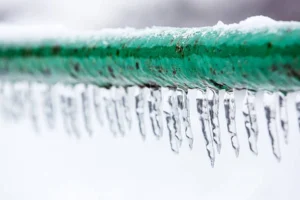
Clogged Discharge Lines: Frozen winter ice or outdoor dirt can block the exit pipe, trapping water in the system.
Overwhelmed Capacity: Small pumps cannot clear incoming water fast enough during torrential downpours.
Power Losses: Severe storms cut off main electricity, leaving unbacked systems helpless against rising groundwater.
Clogged Impellers: Small gravel or debris pulled from the basin can jam the spinning blades.
How to Maintain a Sump Pump
Simple maintenance keeps your equipment running smoothly during unexpected weather emergencies.
- Inspect the basin every three months and remove accumulated silt or trash.
- Pour a bucket of water into the pit to test if the float switch triggers the motor cleanly.
- Clean the intake screen to ensure smooth water flow into the impeller blades.
- Check the check valve arrow to confirm water flows in the correct direction.
- Inspect the outdoor exit pipe to ensure water drains freely without pooling near foundation walls.
- Test your battery backup unit twice each year to confirm the battery holds a full charge.
How Long Does a Sump Pump Last?
The typical lifespan of a quality pump is roughly seven to ten years. Units that run constantly during wet seasons wear out faster than pumps used occasionally.
Frequent motor cycling wears out internal electrical components. High quality cast iron pumps last longer than cheap plastic models. Regular maintenance extends overall equipment life considerably.
Do All Homes Need a Sump Pump?
Not every residential property requires an active pumping system. Homes built on steep hills with sandy soil drain water naturally without mechanical help.
However, if your property sits on flat land, clay soil, or high water tables, protection becomes necessary. Understanding the purpose of a sump pump helps you decide if your home needs one. If your basement has ever leaked, you need a pump.
When Should You Replace a Sump Pump?
Do not wait for a heavy storm to discover your equipment failed. Replace your unit if you notice these clear signs:
- The unit makes loud grinding or rattling sounds while running.
- The motor runs continuously even when no water sits in the pit.
- The equipment vibrates excessively during operation.
- The system is more than seven years old.
- The circuit breaker trips every time the float switch activates.
Knowing what does a sump pump do helps you spot early failure signs before water ruins your lower floors.
Conclusion
A reliable drainage system gives property owners total peace of mind during heavy rains. By understanding what does a sump pump do, you can protect your property from hidden groundwater hazards and structural damage. Regular testing and timely replacements ensure your lower levels remain safe and dry all year.
If you need professional assistance with basement protection or sump pump replacement, contact Derks Plumbing. Our team provides expert Plumbing Services in Los Angeles to keep your foundation dry and secure.

Frequently Asked Questions
Can a sump pump run continuously?
A pump should only run when water enters the pit. If it runs constantly without stopping, your float switch may be stuck or your check valve might be broken.
What happens to a sump pump when the power goes out?
Standard electric pumps stop working during power outages. Installing a battery backup unit ensures your basement stays protected during storm power losses.
How much water can a standard sump pump move?
Most residential units move between two thousand and four thousand gallons of water per hour. Larger commercial units handle even higher volumes.