A whole-house water filter is a big step for your home. Most people spend between $1,100 and $3,500 for a standard system. This price covers the unit and basic professional setup. You get clean water from every single tap. It helps your skin feel better and protects your pipes.
If you are wondering about the Whole-House Water Filtration System Cost?, the answer depends on your needs. Basic units start around $800, while advanced systems can reach $5,000 or more. The final price changes based on your home size and water quality. Our guide helps you plan your budget with ease.
What Is a Whole-House Water Filtration System?
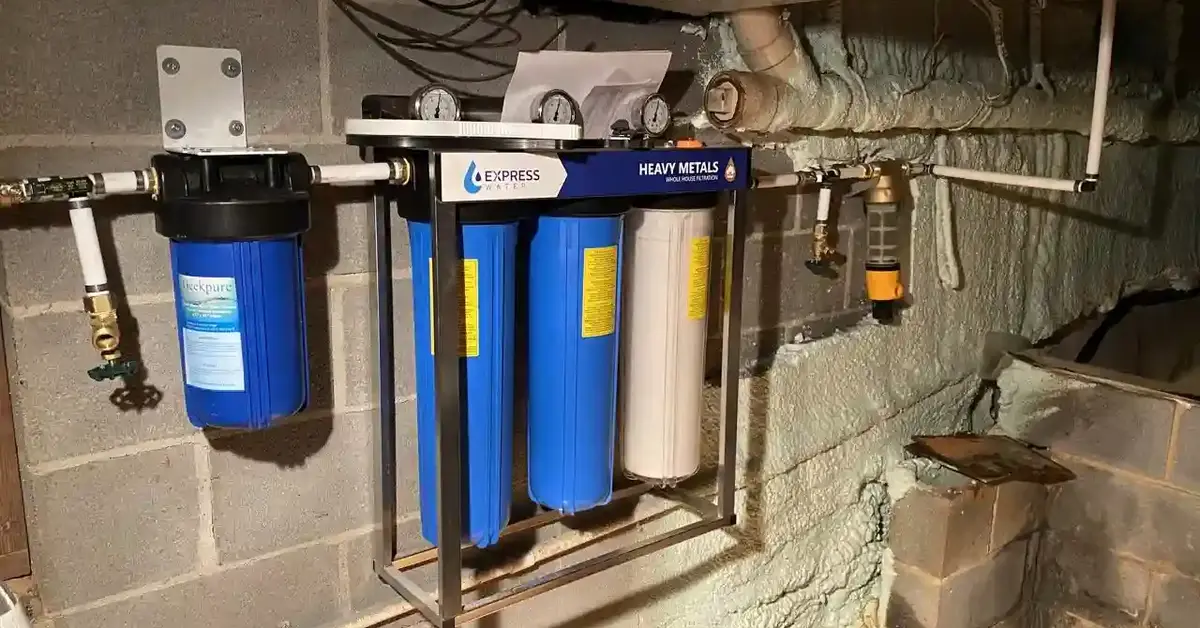
A whole-house system treats water at the main entry point. This means every drop that enters your home gets cleaned. It is different from a small filter under your sink. Those only clean water for one faucet. A whole-house unit cleans water for showers, laundry, and the kitchen.
These systems use different layers to trap dirt and chemicals. Some use carbon to remove the smell of chlorine. Others use special membranes to catch tiny particles. Many homes in cities use them to remove chemicals. Homes with wells use them to stop sand or rust.
What Is the Cost of a Water Filtration System
The cost of water filtration system varies widely based on system type and complexity.
Basic sediment filters start around $300 to $500. These remove dirt, rust, and large particles but don’t address chemicals or minerals.
Carbon filtration systems typically range from $1,000 to $4,000. They eliminate chlorine, volatile organic compounds, and bad tastes or odors.
Reverse osmosis systems cost between $1,500 and $5,000. These provide the most thorough filtration, removing up to 99% of contaminants including lead, arsenic, and fluoride.
Water softeners run from $800 to $2,500. They specifically tackle hard water minerals like calcium and magnesium.
Many homeowners combine systems for complete protection. A sediment filter plus carbon system might total $1,500 to $3,500 installed.
Professional installation adds $200 to $1,000 to your total water filtration cost, depending on complexity and local labor rates.
Factors That Affect Whole-House Water Filtration System Cost
Several key factors determine your final whole house water filter cost.
Water Quality Issues
Your specific water problems drive which system you need. Well water often requires more aggressive treatment than municipal supplies. Testing your water reveals contaminants and guides your choice.
Home Size and Water Usage
Larger homes need systems with higher flow rates. A family of six uses more water than a couple, requiring a more robust system. Flow rate is measured in gallons per minute (GPM). Most homes need 10-15 GPM capacity.
Filter Type and Technology
Advanced multi-stage systems cost more than single-stage options. UV purification, which kills bacteria and viruses, adds $300 to $1,000. Catalytic carbon filters that remove chloramines cost more than standard carbon.
Brand and Quality
Premium brands like Aquasana, Pelican, and SpringWell charge higher prices but often include better warranties and customer support. Budget brands save money upfront but may require more frequent maintenance.
Installation Complexity
Simple installations in accessible locations cost less. If your main water line is hard to reach or requires extensive plumbing modifications, expect higher labor costs. Older homes with outdated pipes may need additional work.
Maintenance Requirements
Systems with expensive replacement filters increase long-term home water filtration system cost. Some filters need changing every 3-6 months, others last 3-5 years. Factor in annual maintenance costs of $100 to $500.
Local Water Pressure
Low water pressure might require a booster pump, adding $200 to $800 to your project. High sediment levels may need pre-filters, increasing initial investment.
Permits and Inspections
Some areas require permits for plumbing modifications. Permit fees typically run $50 to $200. Professional inspections add another $75 to $150.
Is a Home Water Filtration System Worth It?
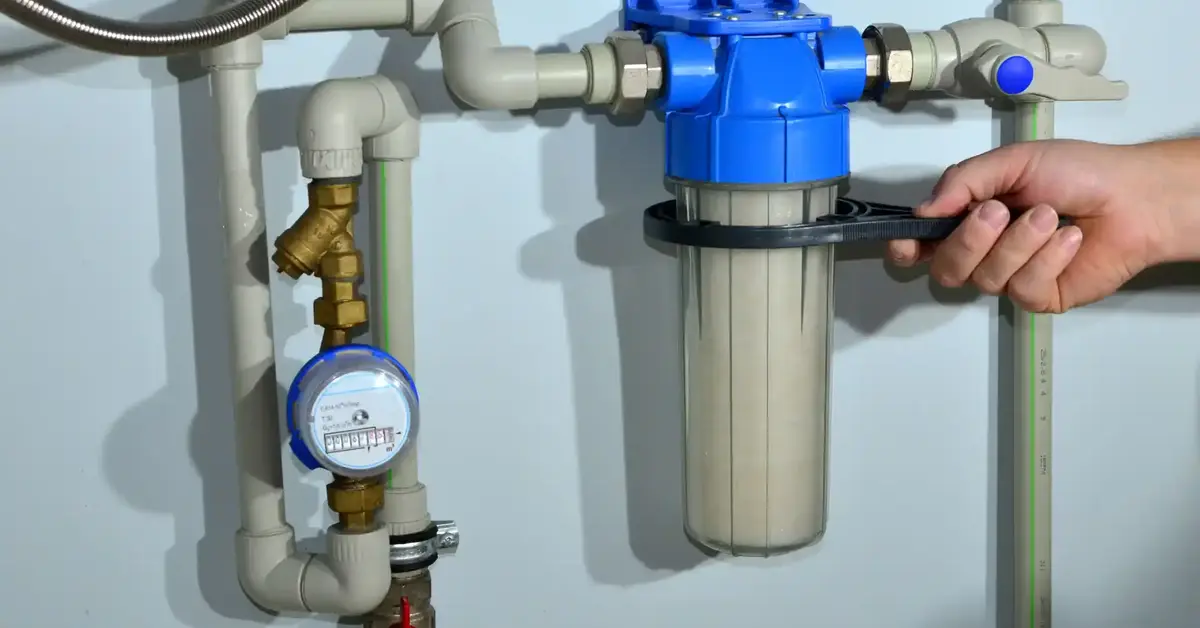
A whole-house filtration system delivers real value for most homeowners.
Health Benefits
Removing contaminants protects your family from harmful chemicals and heavy metals. Children and those with compromised immune systems benefit most. You get cleaner water for drinking, cooking, and bathing.
Appliance Protection
Filtered water extends the life of water heaters, dishwashers, and washing machines. Hard water minerals cause scale buildup that reduces efficiency and shortens appliance lifespan. This saves $500 to $2,000 over time.
Plumbing Longevity
Clean water prevents pipe corrosion and mineral deposits. Your plumbing system lasts longer with fewer repairs needed.
Taste and Odor Improvement
Most systems dramatically improve water taste and smell. You’ll want to drink more water and may eliminate bottled water purchases.
Cost Comparison
A family spending $30 monthly on bottled water pays $360 yearly. Over 10 years, that’s $3,600. A $2,000 whole-house system pays for itself while providing better coverage.
Skin and Hair Health
Chlorine and minerals in unfiltered water dry out skin and hair. Many people notice softer skin and shinier hair after installing filtration systems.
Home Value
Whole-house systems appeal to buyers and can increase property value. Real estate agents report that water quality features help homes sell faster.
The water filtration system price pays dividends through health protection, appliance savings, and quality of life improvements.
DIY vs. Professional Installation
Choosing between DIY and professional installation affects both cost and outcome.
DIY Installation
Installing a basic system yourself saves $200 to $1,000 in labor. Many manufacturers offer detailed instructions and online videos.
You need basic plumbing skills and tools like pipe cutters, wrenches, and Teflon tape. Plan for 3-6 hours of work.
DIY works best for: Simple sediment or carbon filter systems. Homes with accessible main water lines. Homeowners are comfortable with basic plumbing tasks.
DIY challenges: Cutting into main water lines requires confidence. Mistakes can cause leaks or water damage. Some systems require shutting off water to your entire home.
Professional Installation
Hiring a licensed plumber ensures proper installation and code compliance. Professionals handle unexpected issues like corroded pipes or inadequate space.
Installation typically takes 2-4 hours. Plumbers carry insurance covering potential damage.
Professional installation benefits: Warranty protection (some manufacturers require professional install). Code compliance and proper permits. Peace of mind and guaranteed results.
The extra cost of whole house water filtration with professional installation often proves worthwhile, especially for complex systems or older homes.
How to Choose the Right Whole-House Filtration System
Selecting the best system requires understanding your specific needs.
Test Your Water First
Purchase a comprehensive water test kit for $25 to $150 or hire a professional service for $200 to $500. Testing reveals contaminants like lead, bacteria, nitrates, and hardness levels.
Municipal water customers can request annual water quality reports from their supplier. Well owners should test annually.
Match System to Contaminants
Different systems target different problems:
Sediment filters handle dirt, sand, and rust. Carbon filters remove chlorine, pesticides, and organic compounds. Reverse osmosis eliminates heavy metals, fluoride, and dissolved solids. UV systems kill bacteria and viruses. Water softeners address hardness minerals.
Consider Flow Rate
Calculate your home’s peak water usage. Run multiple fixtures simultaneously and check your flow rate. Choose a system rated for 2-3 GPM above your peak usage.
Check Certifications
Look for NSF/ANSI certifications. These indicate third-party testing and verification. Common certifications include NSF/ANSI 42 (aesthetic effects), 53 (health effects), and 401 (emerging contaminants).
Compare Maintenance Costs
Calculate total ownership costs including filter replacements. A cheaper system with expensive filters may cost more long-term than a pricier unit with affordable maintenance.
Read Customer Reviews
Research real user experiences. Pay attention to reliability, customer service, and long-term performance reports.
Verify Warranty Coverage
Quality systems include 5-10 year warranties on tanks and housings. Filter warranties vary. Understand what’s covered and for how long
Typical Lifespan of Whole-House Water Filters
Understanding filter lifespan helps budget for ongoing cost of water purification system maintenance.
System Components
The main system housing and tanks typically last 10-20 years with proper care. High-quality stainless steel or fiberglass tanks outlast plastic versions.
Filter Cartridges
Sediment filters need replacement every 3-6 months, costing $20 to $60 per change. Carbon filters last 6-12 months, running $50 to $150 each.
Reverse osmosis membranes survive 2-5 years, with replacement costs of $100 to $300. UV bulbs require annual replacement at $50 to $150.
Water Softener Media
Resin beads in water softeners last 10-20 years. Salt costs $5 to $10 per bag, with typical usage of 1-2 bags monthly.
Signs Filters Need Changing
Water pressure drops indicate clogged sediment filters. Bad taste or odor returns when carbon filters exhaust. Visible particles in water mean filtration isn’t working.
Follow manufacturer schedules rather than waiting for problems. Preventive replacement maintains water quality and protects system components.
Maximizing System Lifespan
Regular maintenance extends system life. Annual professional inspections cost $100 to $200 but catch small issues before they become expensive repairs.
Flush systems according to manufacturer instructions. Keep salt tanks filled in softeners. Replace pre-filters on schedule to protect downstream components.
Need Help Installing a Whole-House Water Filtration System in Los Angeles
Installing a water filtration system requires expertise and local knowledge. Los Angeles homes face unique water quality challenges including hard water and varying municipal treatment levels.
Derks Plumbing provides professional installation services throughout the Los Angeles area. Our licensed plumbers assess your specific water needs and recommend appropriate systems.
We handle all aspects including permits, installation, and testing. Our team ensures your system meets California plumbing codes and operates at peak efficiency.
Choosing experienced Plumbing Services In Los Angeles means proper sizing, correct placement, and reliable long-term performance. We stand behind our work with comprehensive warranties.
Contact us for a free water quality assessment and installation quote. We’ll help you select a system that fits your budget and delivers clean, safe water throughout your home.
Conclusion
The Whole-House Water Filtration System Cost ranges from $1,000 to $4,500 for most homes, including installation. Your specific investment depends on water quality issues, system type, and home size.
Quality filtration protects your health, extends appliance life, and improves daily comfort. While the upfront cost seems significant, the long-term benefits and savings justify the investment.
Test your water first, then match the system to your needs. Professional installation ensures optimal performance and peace of mind.
Clean water throughout your entire home isn’t a luxury, it’s an investment in your family’s health and your property’s value.
FAQs
How much does a whole house water filter cost on average?
Most homeowners spend $1,500 to $3,000 for a complete system with professional installation. Basic sediment filters start around $500, while advanced multi-stage systems reach $5,000 or more.
What’s the cheapest whole-house water filtration option?
Simple sediment filters cost $300 to $500 installed. However, they only remove particles, not chemicals or minerals. For basic filtration, expect to spend at least $1,000 for meaningful water quality improvement.
How often do whole-house filters need replacement?
Sediment filters need changing every 3-6 months. Carbon filters last 6-12 months. Reverse osmosis membranes survive 2-5 years. UV bulbs require annual replacement. Follow manufacturer schedules for best results.
Does a water filtration system increase home value?
Yes, whole-house filtration systems appeal to buyers concerned about water quality. They can increase home value and help properties sell faster, though the exact return varies by market.
Can I install a whole-house water filter myself?
Basic systems allow DIY installation if you have plumbing skills. However, professional installation ensures proper function, maintains warranties, and meets building codes. Complex systems always need professional installation.




