Tree roots are a top cause of plumbing nightmares for homeowners. They chase water sources, find tiny cracks in your sewer pipes, and quickly turn a small leak into a major blockage. This guide will walk you through proven methods for dealing with this costly problem.
The key to fixing this issue is fast action and knowing your options. This comprehensive guide details everything you need to know about How to Remove Tree Roots from Sewer Line and how to stop them from coming back, keeping your system clear and functional.
How Do Tree Roots Enter Sewer Lines?
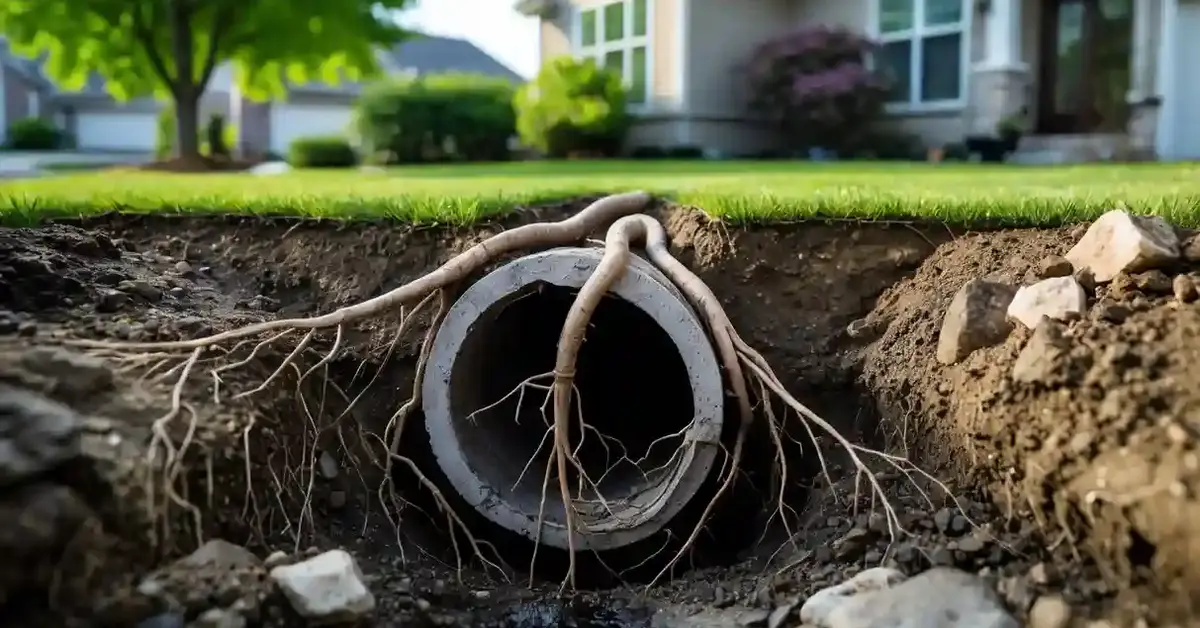
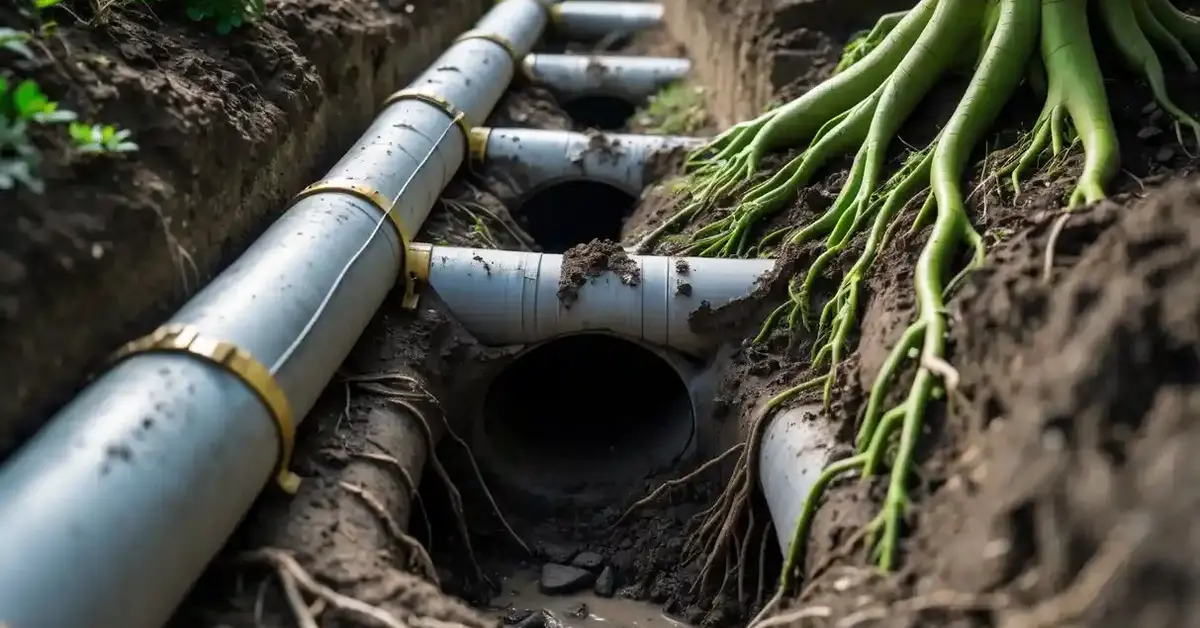
To effectively manage roots in your sewer, you must first understand how they get inside. Tree roots seek out the most vital resources for growth: water, oxygen, and nutrients. A sewer line provides all three in a perfect, warm environment.
The Source of the Problem: Cracks and Joints
Even a small, microscopic imperfection is enough for a root to start an invasion.
- Vulnerable Pipe Joints: The connections between two sections of pipe are the weakest points. Over time, ground settling or slight shifts can cause these joints to separate slightly.
- Existing Cracks: Older pipes, such as clay or cast iron, are prone to cracking or corroding due to age and soil pressure. A single hairline crack acts like a beacon for searching root tips.
- The Tiny Intruder: Tree roots start as incredibly fine root hairs. These hairs follow the vapor trail of water leaking from the pipe. Once inside, the rich sewage water and constant moisture cause the root to grow rapidly.
Once they get in, the roots create a dense tangle. This tangle acts like a net, trapping paper, grease, and other debris. The result is a total blockage of wastewater flow. This blockage can lead to tree root damage that forces expensive sewer line repair.
Key Signs of Tree Roots in a Sewer Line
Recognizing the signs early saves you significant time and money. Ignoring the symptoms will only increase the tree roots in sewer line removal difficulty.
| Symptom | Description | Severity | What it Means |
| Gurgling Toilets | A distinct gurgling sound after you flush, especially in the lowest floor toilet. | Moderate | Air is trapped and being forced past a partial blockage. |
| Slow Draining | Bathtubs, sinks, or showers drain slowly, often after you have used the toilet. | Moderate | Water is having trouble passing the root mass, which is catching debris. |
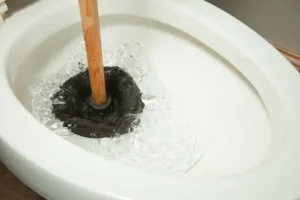
| Frequent Clogs | Your plumbing clogs repeatedly, even after simple snaking, or you must use a plunger often. | High | The root mass is large and is regrowing quickly after small cleanings. |
| Sewage Backups | Raw sewage backs up into your bathtub, shower, or toilet. This is usually the first sign of a complete blockage. | Extreme | The main line is fully clogged, requiring immediate professional attention. |
| Lush Lawn Patches | An area of your lawn directly above the sewer line is much greener or lusher than the surrounding grass. | High | The roots have caused a leak, fertilizing the soil directly above the pipe. |
If you notice any of these signs, you need to find out how to fix roots in sewer line right away. Do not delay.
Step by Step Guide: How to Remove Tree Roots from Sewer Line
Removing roots in your sewer requires the right approach for your situation. The process depends on blockage severity and pipe condition.
DIY Methods
Rock Salt Treatment
Rock salt dehydrates roots without harsh chemicals. Pour two pounds of rock salt into your toilet. Flush it down with a gallon of water. The salt draws moisture from roots and kills them slowly.Repeat monthly for maintenance. This method works best for minor root intrusions. Results take several weeks to appear. Don’t use it if you have a septic system as salt harms beneficial bacteria.
Copper Sulfate Application
Copper sulfate crystals poison roots on contact. Pour half a cup into your toilet and flush. The crystals stick to roots and kill them within days.Use this treatment twice yearly for prevention. Wear gloves when handling crystals. Keep away from skin and eyes. This chemical also affects septic systems, so check local regulations first.
Foaming Root Killers
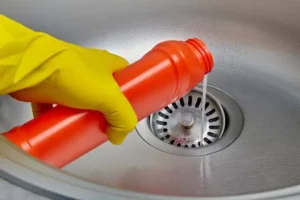
Commercial foaming products coat pipe walls completely. The foam sticks to roots longer than liquid treatments. Follow package directions carefully for best results.These products work well in partially clogged lines. Pour the foam down your toilet at night when water usage is low. The foam needs several hours to work effectively.
Mechanical Augering
Rent a drain auger or rooter machine from hardware stores. Feed the cable into your cleanout opening slowly. The rotating blade cuts through roots as it advances.Pull back and push forward repeatedly. This action clears the blockage section by section. Run water afterward to flush debris. This method provides immediate relief but roots grow back without chemical treatment.
Professional Ways to Remove Roots in Pipes
Hydro Jetting
Professional plumbers use high-pressure water streams. This sewer root treatment blasts away roots, grease, and scale buildup. Water pressure reaches 4,000 PSI or higher.The process clears pipes completely. It also scours pipe walls smoothly. This prevents new roots from grabbing hold easily. Hydro jetting costs more but lasts longer than augering.
Video Camera Inspection
Professionals insert cameras into your sewer line. The camera shows exact locations of root intrusions. It also reveals pipe damage and other issues.This technology eliminates guesswork. Plumbers see what they’re dealing with before starting work. The inspection footage helps plan the best removal strategy.
Trenchless Pipe Lining
This method repairs damaged pipes without digging. Technicians insert an epoxy-coated liner through existing pipes. The liner hardens into a new pipe inside the old one.Pipe lining seals cracks and prevents future root growth. The process takes hours instead of days. Your yard stays intact with minimal disruption.
Pipe Bursting Replacement
Severely damaged pipes need complete replacement. Pipe bursting breaks old pipes while pulling new ones through. A hydraulic machine does the work underground.This technique requires only small access holes. New pipes are root-resistant HDPE or PVC. The investment pays off with decades of trouble-free service.
Chemical Root Foam Applications
Professional-grade foaming agents work better than store products. Plumbers apply concentrated formulas that kill extensive root systems. They calculate exact amounts needed for your pipe diameter.These treatments last 6 to 12 months. Regular applications prevent roots from returning. Combine chemical treatment with mechanical cleaning for best results.
You can read about: How Much Does It Cost to Repair Sewer Line
How to Prevent Tree Roots From Getting into the Sewer Line
Prevention saves money and headaches. These strategies keep roots away from pipes:
- Plant trees strategically: Keep fast-growing species at least 30 feet from sewer lines. Choose slow-growing varieties for closer planting. Root barriers installed during planting guide roots away from pipes.
- Install physical barriers: Metal or plastic root barriers block underground growth. Place them vertically between trees and sewer lines. These barriers redirect roots downward instead of sideways.
- Maintain your sewer line. Annual inspections catch problems early. Regular chemical treatments kill small roots before they spread. Fix leaks promptly to remove moisture that attracts roots.
- Replace old pipes proactively: Clay and cast iron pipes from before 1980 crack easily. Consider upgrading to modern PVC or HDPE pipes. These materials resist root penetration much better.
- Monitor water usage patterns: Sudden increases in water bills suggest hidden leaks. Address leaks quickly to prevent attracting more roots. Check outdoor faucets and irrigation systems regularly.
- Keep records of your system: Document sewer line locations and depths. Note which trees are nearby. This information helps during future maintenance or emergencies.
You can read about: Sewer Backup Repair Cost
Choosing the Best Method to Remove Roots from Your Sewer Line
Selecting the right removal approach depends on several factors. Consider the severity of your problem, pipe condition, and budget.For minor issues with occasional slow drains, start with DIY chemical treatments. These cost-effective solutions handle small root intrusions. Monitor results and upgrade to mechanical methods if problems persist.Recurring backups or complete blockages need professional help. Hydro jetting provides thorough cleaning for moderate to severe root invasions. The investment pays off in longer-lasting results.Pipes with structural damage require repair or replacement. Continued root removal in pipes offers temporary fixes. Replacing damaged sections solves the root cause permanently.Get multiple quotes before major work. Ask about warranty coverage and cleanup procedures. Check contractor licenses and insurance.
Be sure to read customer reviews before choosing a contractor. Local experience is important when handling complex sewer problems. If you need professional sewer root treatment or sewer line repair near Eagle Rock, the team at Derks Plumbing can provide skilled technicians, modern equipment, detailed inspections, and honest assessments.Your budget also influences the best solution. Emergency repairs generally cost more than scheduled maintenance, so investing in preventative care can help you avoid costly last-minute issues.
Conclusion
Tree root intrusion is a fact of life for many property owners. Knowing How to Remove Tree Roots from Sewer Line is essential for maintaining a functional plumbing system and avoiding the high costs of emergency repairs. Whether you opt for a DIY sewer root treatment or a full professional hydro-jetting and pipe repair, addressing the issue with a clear strategy and high-quality work is the key to lasting success. Focus on the long-term integrity of your pipes, not just a quick fix for the immediate clog. Prioritizing prevention and quality service will keep your plumbing system clear and your home protected.
FAQs
Can I use a regular drain snake to clear tree roots?
A standard, hand-held drain snake is not strong enough to cut through live, thick tree roots. It will only puncture a small hole in the root mass, which will close up quickly, leading to a recurring clog. You need a professional-grade mechanical auger with specialized cutting blades to properly remove tree roots from sewer line.
Will tree roots grow back after I use a chemical root killer?
Yes. Chemical root killers will destroy the roots they contact, but they do not repair the crack or joint where the roots entered. New root hairs will quickly find the breach and re-establish themselves. This is why chemical treatments are a temporary solution best used for maintenance, not for an active blockage.
Is hydro-jetting safe for my old clay pipes?
Hydro-jetting is very effective, but it is risky for old, severely cracked, or brittle clay pipes. The high pressure can cause an already weakened pipe to shatter or collapse. A professional plumber will always perform a camera inspection first. If the pipe is too fragile, they will recommend a less aggressive cleaning method or a permanent repair like pipe lining.
If I cut down the tree, will the roots in my sewer line die?
Eventually, yes, but not quickly enough to clear a blockage. A root can remain alive and block your sewer for years after the tree is cut down. You must still physically remove the root mass from the pipe. Cutting down the tree only stops new root growth toward the pipe.
What kills roots in pipes permanently?
Copper sulfate and foaming root killers destroy existing roots. However, roots regrow from trees seeking water. Combine chemical treatments with pipe lining or replacement for permanent solutions. Only removing the tree stops roots completely.