A dripping bathtub faucet is more than just a minor annoyance; it wastes water, drives up utility bills, and can eventually lead to rust and water damage. Fixing this issue is a common home repair task that many homeowners can handle themselves with the right tools and knowledge. Addressing a leaky faucet tub right away is the smart, cost-effective choice.
Learning how do i repair a leaky bathtub faucet is simple. The process usually involves replacing a small, inexpensive internal part, such as a washer, O-ring, or cartridge. We will walk you through the steps to stop that wasteful bathtub faucet drip and restore silence to your bathroom.
What Causes a Leaky Bathtub Faucet?
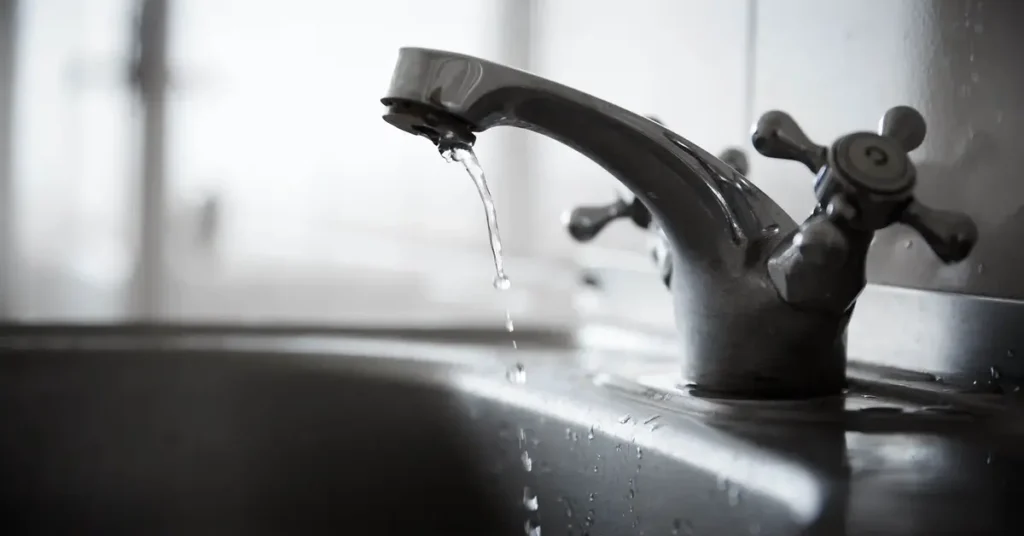
Understanding why your tub faucet leaks helps you fix it right the first time. Most leaks come from worn-out parts inside the faucet body.
- Worn washers and O-rings are the top culprits. These rubber seals create a watertight barrier when you turn off the water. After years of use, they crack, flatten, or tear. Water then seeps through and creates that steady drip.
- Corroded valve seats cause leaking tub faucet problems too. The valve seat connects the faucet to the spout. Mineral deposits from hard water build up here over time. This buildup prevents a tight seal and lets water through.
- Loose parts make your bathtub faucet drip even when everything looks fine. The packing nut around the stem can loosen from regular use. Temperature changes also cause metal parts to expand and contract, which loosens connections.
- Wrong washer size creates gaps where water escapes. If someone replaced parts before but used the wrong size, your tub faucet leak will continue no matter how tight you turn the handle.
- High water pressure stresses faucet components and causes premature wear. Pressure above 80 PSI pushes against seals constantly and makes them fail faster.
Tools and Materials Needed for Bathtub Faucet Repair
Get these items before you start. Having everything ready makes the job go smoothly.
Basic tools:
- Screwdriver set (flathead and Phillips)
- Adjustable wrench
- Allen wrenches
- Pliers
- Utility knife
- Flashlight
Replacement parts:
- Faucet repair kit (matches your faucet brand)
- New washers
- O-rings
- Valve seat
- Plumber’s grease
Additional supplies:
- Old towels
- Bucket
- White vinegar
- Penetrating oil
Most hardware stores carry universal repair kits for under $15. Bring your old parts to the store to match sizes exactly. Taking photos of your faucet type also helps staff point you to the right kit.
Step-by-Step Guide: How Do I Repair a Leaky Bathtub Faucet
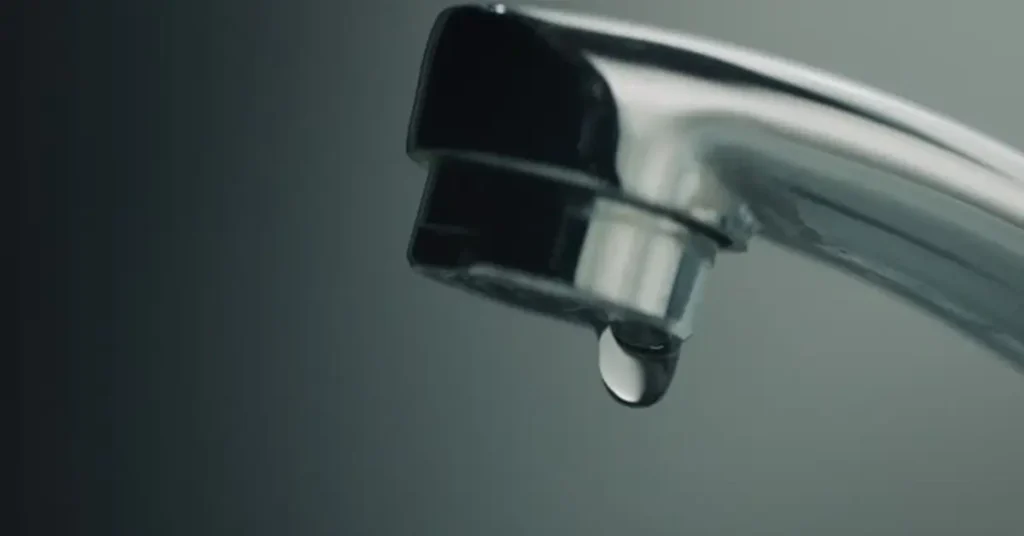
Follow these steps to stop that annoying drip. Work carefully and keep track of parts as you remove them.
Turn Off the Water Supply
Find the shut-off valves for your bathtub. They’re usually in a basement, crawl space, or access panel behind the tub. Turn both hot and cold valves clockwise until tight.No shut-off valves? You’ll need to turn off the main water supply to your house. Open a faucet on a lower floor after shutting off water to release pressure from the pipes.
Remove the Faucet Handle
Look for a small screw on top or behind the handle. Some handles have decorative caps that pop off to reveal the screw. Remove this screw with the right screwdriver.Pull the handle straight off. It might be stuck from mineral buildup. Wiggle it gently while pulling. Apply penetrating oil if it won’t budge, then wait five minutes and try again.
Take Out the Stem Assembly
You’ll see the stem assembly once the handle is off. It has a packing nut around it. Use your adjustable wrench to turn this nut counterclockwise.Pull out the entire stem. Note which way it faces so you can reinstall it correctly. Some stems unscrew from the faucet body instead of pulling straight out.
Inspect and Replace Worn Parts
Check the washer at the bottom of the stem. Look for cracks, tears, or flat spots. Replace it even if it looks okay since washers are cheap.Remove the old washer by taking out its brass screw. Clean the seat where it sits. Put the new washer in place and secure it with the screw. Don’t overtighten.Check all O-rings on the stem. Roll them between your fingers to find cracks or stiff spots. Replace any that aren’t soft and flexible. Coat new O-rings with plumber’s grease before installing.
Clean the Valve Seat
Shine your flashlight into the faucet body. The valve seat is the small ring where the stem sits. Feel it with your finger for rough spots or buildup.Use a valve seat wrench to remove it if it’s damaged. These wrench sets cost about $10. Turn counterclockwise to unscrew the old seat. Install the new one by turning clockwise until snug.Can’t remove the valve seat? Some are built into the faucet. Use fine sandpaper wrapped around your finger to smooth rough spots instead.
Reassemble the Faucet
Put everything back in reverse order. Slide the stem into the faucet body. Thread the packing nut back on and tighten with your wrench. Don’t crank it too tight or the handle will be hard to turn.Replace the handle and secure it with the screw. Put any decorative caps back on. Make sure the handle sits straight when the water is off.
Test Your Repair
Turn the water supply back on slowly. Let air escape from the lines. Check around the faucet base for new leaks as pressure builds.Turn the faucet on and off several times. Water should flow smoothly when open and stop completely when closed. No drips means you fixed your leaking faucet tub successfully.Wait 10 minutes and check again. Some slow leaks take time to show up.
How Much Does It Cost to Fix or Replace a Bathtub Faucet?
Doing the repair yourself costs between $5 and $30 for parts. A basic washer and O-ring kit runs $5 to $10. Complete rebuild kits with all new internal parts cost $15 to $30.
Hiring a plumber costs more but saves time. Expect to pay $150 to $300 for professional tub faucet leak repair. This includes labor and parts. Prices vary by location and faucet complexity.
Replacing the entire faucet ranges from $200 to $600 for parts and installation. Basic chrome faucets start around $50. Higher-end finishes like brushed nickel or oil-rubbed bronze cost $150 to $400. Add $150 to $200 for professional installation.
Replace instead of repair when:
- The faucet is over 15 years old
- Multiple parts need replacing
- The finish is damaged or outdated
- You’re remodeling your bathroom
- Repairs have failed before
How to Prevent Bathtub Faucet Leaks in the Future
Regular maintenance stops bathtub faucet leaks before they start. These simple steps extend faucet life and save repair costs.
- Clean aerators and screens monthly. Mineral deposits clog these parts and increase pressure on internal seals. Unscrew the aerator and rinse it under water. Soak stubborn buildup in white vinegar for 30 minutes.
- Don’t overtighten handles. Cranking the handle too hard crushes washers and wears them out faster. Turn just until water stops flowing. If you need more force to stop drips, the washer needs replacing.
- Install a pressure regulator if your home water pressure exceeds 80 PSI. High pressure strains all plumbing fixtures. A regulator costs $50 to $100 installed and protects your entire plumbing system.
- Check for leaks every few months. Feel around the faucet base for moisture. Look for water stains on the wall or floor nearby. Catching small leaks early prevents bigger problems.
- Use your faucets regularly. Fixtures that sit unused develop more problems. Water sitting in pipes deposits minerals on seals. Run each faucet weekly if you don’t use it often.
- Consider water quality. Hard water causes faster wear on all plumbing parts. A whole-house water softener removes minerals that damage seals and create buildup. This investment pays off in longer-lasting fixtures.
You can read about: How to Repair Bathtub Faucet Diverter
Conclusion
Fixing a tub dripping fix doesn’t require professional skills. Most repairs take less than an hour and cost under $20 in parts. You’ve learned to identify leak causes, gather the right tools, and complete each repair step with confidence.
Regular maintenance and quick attention to small leaks prevent bigger plumbing headaches down the road. Check your faucets often and replace worn parts before they fail completely.
Need help with a stubborn leak or want professional service? Derks Plumbing offers expert Faucet Repair in Eagle Rock and surrounding areas. Our experienced team fixes all types of bathtub faucet problems quickly and correctly.
FAQs
Can I fix a leaky bathtub faucet without turning off the water?
No, always turn off the water first. Working on a live faucet risks flooding your bathroom and makes the job harder. Find the shut-off valves or turn off your main water supply before starting any repair.
How do I know which type of faucet I have?
Check for brand markings on the faucet body or handle. Common types include compression, cartridge, ball, and ceramic disk faucets. Take photos and bring old parts to a hardware store for help identifying your specific model.
Why does my faucet still leak after replacing the washer?
The valve seat might be damaged or corroded. A rough valve seat tears new washers quickly. Remove and replace the valve seat or smooth it with a seat dressing tool. Also check that you used the correct washer size.
How long do faucet washers typically last?
Quality washers last 3 to 5 years with normal use. Hard water, high pressure, and frequent use reduce this lifespan. Replace washers at the first sign of dripping rather than waiting for complete failure.
What if I can’t remove a stuck faucet handle?
Apply penetrating oil around the base and wait 15 minutes. Tap the handle gently with a rubber mallet while pulling up. A handle puller tool (about $15) provides extra leverage for really stuck handles without damaging the finish.




