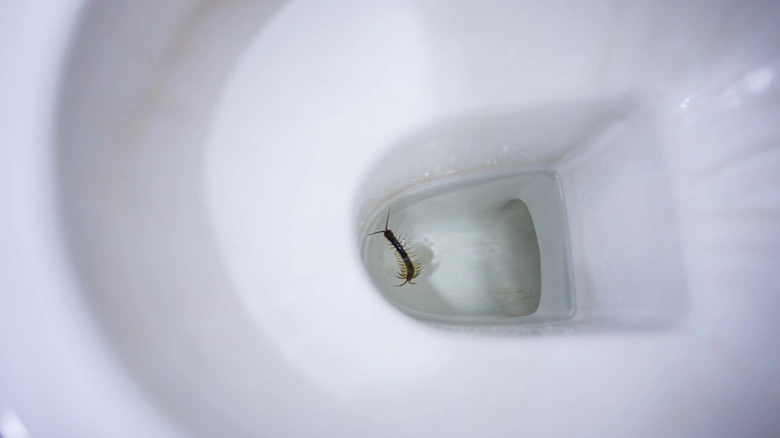
Finding a worm in toilet bowl water is scary, especially when you see one in places you don’t expect, such as in one of those that ought to be kept very clean. Spotting one as it flushes, cleaning one out, or even just looking down the bowl brings up a lot of questions. What the hell is that thing? Is it a plumbing issue? Is it a problem for my health? While most are benign, knowing the source is key to eliminating the problem heat-wise and keeping it from coming back.
In this comprehensive guide, we will discuss the most common species of worms that can be found in your home toilet, why they appear, and how to get rid of them in the best possible way. It will also tell you how to tell if the problem is due to pests, plumbing problems, or in rare cases a roundworm in toilet bowl water associated with human health.
Why Worms May Appear in a Toilet Bowl
When people see worms in toilet bowl water, the initial thought is too often that they came from a person. That is not so in most cases. Types of larvae or small worms are found in insects, drains, and plumbing systems. Earthworms can also access your pipes via broken or caving-in sewer lines.
What’s causing something to happen, rather than just what is happening, is often the best indicator of which solution to use. The good news is that many of the above problems can be resolved by cleaning, maintenance, or some type of appropriate treatment.
Types of Worms That Commonly Show Up in Toilets
Homeowners are known to call any small, wriggling organism a “worm,” but a number of worm-like creatures can be found in toilet water. Correct identification makes the problem easier to resolve.
1. Drain Fly Larvae
Drain fly larvae make up a large portion of the hard-to-kill pests in your home. These tiny dark worms live in moist places, and often there is organic material. You can spot them in:
- Toilet rims
- Sewer connections
- Bathroom drains
- P-traps
They appear as thin black or brown lines that move slowly. Toilets run a risk of getting clogged if not cleaned frequently due to deposits getting hardened over Time, and those that are not very smooth and hard on running their use are especially at risk.
2. Earthworms
Interestingly enough, an earthworm inside a house, and especially inside a toilet, is usually an indication of foundation or plumbing trouble. Earthworms can swim into a toilet when they:
- Cracked underground pipes
- The wax ring seal fails
- Roots damage the sewer line
They are not from human feces. They enter the bowl through holes in broken pipes, not from human waste. Instead, they make their way into the bowl through holes in broken pipes.
4. Human Parasites (Uncommon but Possible)
Parasites in Humans (Rare but Not Far-Fetched) “If you see a worm after you have a bowel movement, it may mean you have a parasitic infection,” he explains. These worms can look like:
- White strands
- Small, thin bodies
- Long thread-like forms
Biliary colic from a roundworm in toilet bowl in a person is rare but a medical emergency. You do need to distinguish between pipe worms and true parasites.
How to Identify Which Worm You’re Dealing With
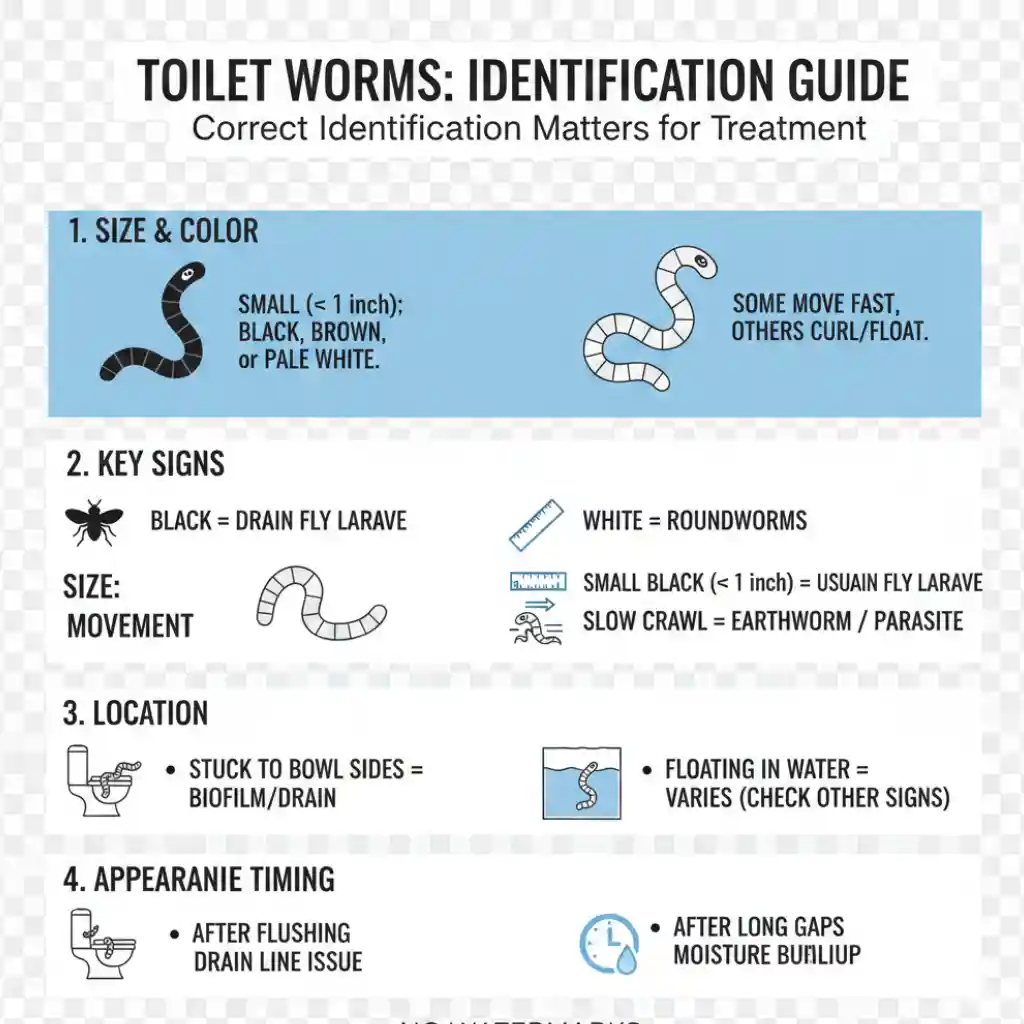
Although perhaps it is an accurate descriptor of the worm type before taking action. Use the following to help you identify:
1. Observing Color
- Black or brown → Probably drain fly larvae
- Red or pink → midge fly larvae
- White or clear = human parasite? Or drain larvae
- Big and brown – earthworm
2. Watching Movement
- Slow, steady wriggling = drain fly larvae
- Faster movements = midge larvae
- Thicker, smooth mover = earthworm
3. Noting When They Appear
- Stagnant water supports larvae. Do not use for long periods → After long periods of no use → stale water bags larvae
- Post-flush: It may indicate sewer line intrusion
- Post-bowel movement: Could indicate health-damaging worms
4. Checking Bathroom Conditions
Poor ventilation & old era plumbing are an ideal climate for worms to thrive.
Main Reasons Toilet Worms Appear

1. Organic Build-Up in Drains and Toilets
Sewer pipes, toilet rims, and secret spaces all play host to a build-up of organic material. This accumulation becomes food for larvae. If, after several flushes, worms are still present in the water in the toilet bowl, some secret place in your plumbing system wants to be flushed out.
2. Damage to Sewer or Drain Lines
Worms and other inhabitants of the soil can make their way into the plumbing system of your home via failing sewer lines or through loose fittings or seals that leave them a place to live and reproduce. When flushing causes a change in water pressure, they can come up into the toilet.
This could be indicative of
- Root intrusion
- Pipe deterioration
- Leaks or cracks underground
It is best not to probe these situations on your own.
You usually need to have a plumber come and take a look.
3. Standing Water
If not intensively used a toilet allows water to accumulate. This leads to the generation of midge larvae and drain fly larvae.
This is when holiday homes and sometimes guest bathrooms go haywire with worms.
4. Human Health Causes (Least Common)
Worms that have been eliminated by stool may be found in toilets, but this is unusual compared to causes relating to plumbing. Any worm that looks suspicious and that you see after a bowel movement should be checked by a doctor.
How to Remove Worms From Your Toilet
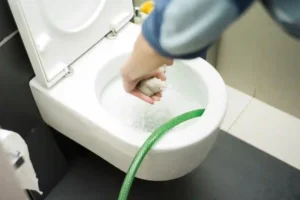
Step 1: Give the Toilet a Deep Cleaning
Scrub:
- Under the rim
- Inside the bowl
- Seat and hinges
- The toilet base
Step 2: Flush All Bathroom Drains
As many worms are said to come from any shared drainage, you are advised to pour boiling water down all the drains of your house to smother the larvae. The reaction of vinegar and baking soda is a very natural way of breaking up deposits.
Step 3: Apply Enzyme Drain Cleaners
Enzyme drain cleaners break down the organic material that larvae eat something bleach can’t do.
Step 4: Inspect for Plumbing Issues
If the earthworms come out or infestations persist:
- Schedule a plumbing camera inspection
- Check for worn seals
- Determine the state of the sewer pipes
These processes allow for the identification of problems that need to be cleaned from rather than flushed down your system.
Step 5: Improve Bathroom Ventilation
Moisture reduction is a good thing:
- Turn on the exhaust fan
- Crack that window
- Employ a small dehumidifier
Desiccation is lethal to larvae.
Step 6: Apply Treatments for Drain Flies
If you have drain flies:
- Clean out the drain debris
- Use insect growth regulators
- Rim of the toilet, and the pipes near you
This avoids false propagation.
Step 7: Consider Pest Control
For an odoriferous pest or a strong invasion of insects, pest control service may be necessary. They have products that the average consumer does not have access to that can effectively kill the adults and the larvae.
You can read about: How to Get Rid of Springtails in Bathroom
How to Prevent Worms from Returning
1. Maintain Weekly Cleaning
Regular cleaning is necessary to prevent the accumulation in the toilet and the drain.
2. Repair Plumbing Issues Quickly
Base cracks, leaks, and root intrusion can all serve as entryways for worms and pests into your plumbing.
3. Flush Toilets Regularly
Inactive toilets are the biggest source of larvae.
4. Install Mesh Drain Screens
Screens keep insects from crawling down drains and laying eggs.
Conclusion
View the show worm in the toilet bowl. Water may be disturbing to watch, but most is just products of the plumbing system, DRAIN residue or moisture, and not from any human health risk. After you know the source, have cleaned thoroughly and maintained it properly, you can eliminate worms and keep them out. Persistent issues, the presence of earthworms or strange parasites should be reported to a plumber, pest control professional, or medical provider.
If the issue keeps coming back, trust Derks Plumbing for expert inspection and reliable Toilet Installation in Eagle Rock to fix hidden plumbing problems and keep your bathroom clean, safe, and worm-free.

FAQs
When should I suspect a problem with my sewer line?
While earthworms and or repeated worm infestations can be signs of a cracked sewer line that needs inspection, they can also be caused by other problems.
Do toilet worms pose a threat?
Most toilet bowl worms are not dangerous, but parasitic worms that enter through human stool need to be seen by a doctor.
How can I kill worms permanently?
Routine maintenance, better ventilation, drain treatments, and fixing the underlying plumbing problem should eliminate that issue.
Why do worms appear in rarely used toilets?
When there is standing water, this is when it stagnates and makes larvae hatch. Flushing helps avoid that, if seldom.
Does bleach kill toilet worms?
Bleach may kill some worms, but as the grief is processed does not dissolve the layers of organics. Enzyme cleaners provide superior long-term protection.