Copper pipes are common in home plumbing because they are strong, durable, and suitable for hot and cold water. In most homes, properly installed copper pipes are safe for drinking water. However, water quality can change when pipes corrode or react with acidic water. High copper levels may cause health problems, so it is important to know the warning signs and understand how to protect your water supply.
If you are wondering, Are Copper Pipes Safe for your family, the answer is generally yes when the pipes are in good condition and used correctly. Regular plumbing checks, proper water testing, and timely repairs can help keep your home’s water safe.
Are Copper Pipes Safe for Drinking Water?
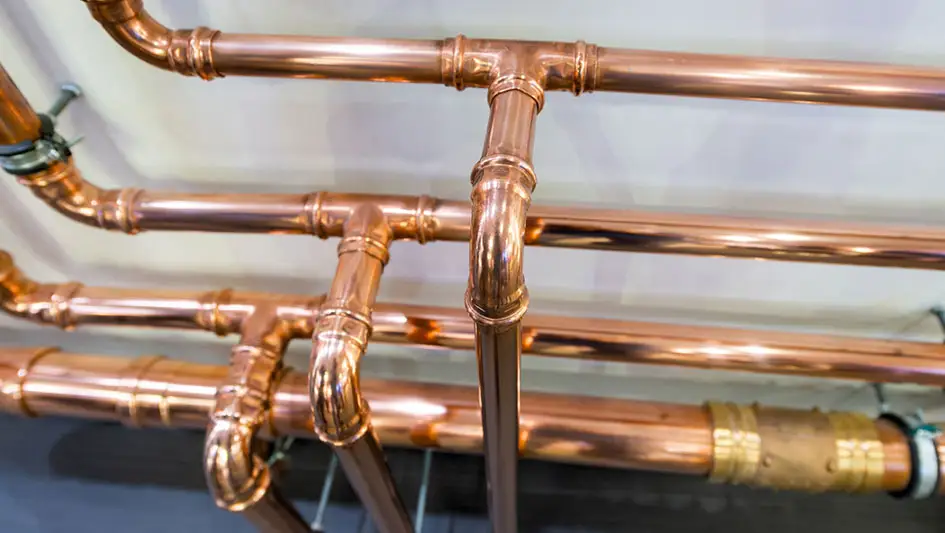
Yes, copper pipes are generally safe for drinking water when they are approved for potable water, installed correctly, and used with suitable water conditions. Copper has been used in plumbing for many years because it is durable and can handle normal household water temperatures.
However, the pipe material alone does not guarantee safe water. Water can pick up copper as it flows through plumbing, especially when corrosion occurs. The risk depends on water acidity, pipe condition, plumbing work, and how long water remains inside the pipes.
The US Environmental Protection Agency sets a copper action level of 1.3 milligrams per liter under its Lead and Copper Rule. This level triggers certain actions for water systems. It does not mean that every reading below it is risk-free for every person.
If your home has copper plumbing, you usually do not need to replace it just because it contains copper. Instead, check for leaks, watch for unusual changes in your water, and arrange testing if you have concerns.
What Are Copper Pipes Made Of?
Copper pipes are made from copper metal shaped into tubes that carry water through a building. They connect to fittings, valves, and other plumbing parts to create a water supply system.
Different types and sizes of copper pipes are available for plumbing work. The correct type depends on local codes, the pipe’s location, and the job it must perform. Fittings may be joined using approved solder, brazing methods, or mechanical connections.
Copper pipes do not rust like iron or steel pipes. However, they can corrode under certain conditions. Corrosion may weaken the pipe wall or release copper into the water.
A copper plumbing system also includes fittings, solder, valves, and other parts. These materials must be suitable for drinking-water use. Choosing approved products helps reduce the risk of unwanted substances entering your water supply.
What Are the Benefits of Copper Pipes?
Copper remains a popular plumbing material because it offers several useful benefits for homeowners.
Long Service Life
Copper pipes can last for decades when installed correctly and used with suitable water. Their lifespan depends on water chemistry, pipe thickness, installation quality, and maintenance. Regular inspections can help identify damage before it becomes a serious problem.
Strong and Heat Resistant
Copper can handle the hot water temperatures used in many homes. It also holds its shape well and works in exposed or enclosed plumbing areas. The full system must still follow local plumbing codes and the limits of connected parts.
Resistance to Many Plumbing Conditions
Copper performs well in many homes, but it is not immune to corrosion. Water with a low pH or other corrosive properties can damage copper plumbing over time. A plumber can help determine whether your water conditions are suitable for copper pipes.
Recyclable Material
Copper can be recycled, which reduces the need for new raw materials. Old copper pipes can often be recovered during plumbing repairs or replacement instead of being sent to a landfill.
Reliable for Many Plumbing Systems
Copper is rigid and can provide a sturdy water supply line. It is commonly used for hot and cold water systems when the pipe type and installation meet local requirements.
These benefits make copper a useful option, but the best plumbing material for your home depends on water quality, budget, building design, and local rules.
You can read about: How to Install SharkBite on Copper
What Are the Risks of Copper Pipes?
Copper pipes have many benefits, but certain conditions can affect water quality and pipe strength. Understanding these risks helps you decide when to test your water or contact a plumber.
Copper Leaching Into Drinking Water
Copper leaching happens when copper from a pipe enters the water flowing through it. This can occur when water is corrosive or when new plumbing releases copper during its early use.
The risk can increase when water has a low pH. Some homes may also experience higher copper levels after plumbing work. You cannot confirm copper levels by looking at the pipes alone. A water test is the best way to check.
Corrosion and Pipe Damage
Corrosion can weaken copper pipes over time. It may lead to pinhole leaks, damp spots, water stains, or damage inside walls and ceilings. Water chemistry, poor installation, and certain plumbing conditions can contribute to pipe failure.
A leak does not always mean the water is unsafe to drink. However, recurring leaks or signs of corrosion deserve attention. They can damage your home and may point to a wider plumbing problem.
Possible Health Effects of Excess Copper
Copper is a mineral the body needs in small amounts. However, high levels in drinking water can cause health problems, including nausea, stomach pain, vomiting, and diarrhea. Very high exposure can be more serious, especially for people with certain health conditions.
If you suspect that your water contains too much copper, do not rely on taste or color alone. Use a certified water-testing lab or contact your local water provider for advice.
Are Copper Pipes Bad for Older Homes?
Not automatically. Older copper pipes may still work safely if they are in good condition and the water is suitable. However, age, past repairs, corrosion, and other plumbing materials can affect the system.
If your home has frequent leaks, blue-green stains, or a history of water quality problems, arrange an inspection. Do not assume the pipes are safe or unsafe based on age alone.
How Can You Tell if Copper Pipes Are Affecting Your Water?
You cannot reliably measure copper levels by sight, smell, or taste. Still, certain signs can tell you when it is time to investigate.
Metallic or Bitter Taste
Water with elevated copper may have a metallic or bitter taste. However, taste is not a reliable safety test. Some water quality problems may not cause a clear taste or smell.
Blue-Green Stains
Blue-green stains around faucets, sinks, tubs, or drains can be linked to copper in water. They may also have other causes, so stains alone do not prove that copper levels are too high.
Water That Changes After Plumbing Work
If the water looks different after installing or replacing copper pipes, contact your plumber or water provider. New plumbing can sometimes contribute to higher copper levels, especially when water conditions encourage leaching.
When Should You Test the Water?
Consider testing if you notice an unusual taste, blue-green stains, recurring corrosion, or recent plumbing work. Testing is also useful if your local water provider reports a possible problem.
Ask the lab to test for copper and follow its instructions for collecting the sample. Some tests require water that has been sitting in the pipes, while others require flushing the tap first. The correct method depends on what you want to measure.
If water has been sitting in your pipes for several hours, the CDC advises flushing the tap before drinking. It also recommends using cold water for drinking and cooking because hot water can dissolve copper more easily.
Are Copper Pipes Safe for Hot and Cold Water?
Copper pipes can be suitable for both hot and cold drinking water when the pipe, fittings, and installation meet local plumbing codes. They are commonly used in household water systems and can handle normal hot-water conditions.
However, do not use hot tap water for drinking, cooking, or preparing baby formula. Hot water can dissolve copper more readily than cold water. Start with cold water, then heat it separately if needed.
Hot water can also speed up certain chemical reactions inside plumbing. If your home has older pipes, an unusual water taste, or signs of corrosion, consider having the water tested.
Correct installation matters as much as the pipe material. Pipes must be properly supported, joined, and protected from damage. A qualified plumber can check whether your existing system is suitable for your home’s water conditions.
Are Copper Pipes Safer Than PEX or PVC?
Copper, PEX, PVC, and CPVC each have different uses. No material is always the safest choice for every home. The best option depends on local codes, water chemistry, temperature, cost, and installation needs.
Copper pipes are strong, heat resistant, and recyclable. However, they can corrode in unsuitable water and may cost more to install.
PEX pipes are flexible and can reduce the number of fittings needed in some layouts. They resist many forms of corrosion, but they must be approved for the intended use and protected from damaging conditions.
PVC pipes are lightweight and often affordable. Standard PVC is not suitable for every hot-water application. CPVC is designed for certain hot- and cold-water systems, but the correct products and installation methods are still essential.
For drinking water, pipes and fittings must be approved for potable-water use. Products that meet suitable drinking-water standards help reduce the risk of harmful substances entering the water.
If your copper pipes work well and water tests show no problem, replacing them may not be necessary. If the system has repeated leaks or your water is corrosive, ask a plumber to compare repair and replacement options.
How Can You Keep Copper Pipes Safe?
You can reduce plumbing risks by keeping your pipes in good condition and checking your water when needed. These simple steps can help you catch problems before they cause costly damage.
Test Your Water When Needed
If you notice a metallic taste, blue-green stains, or repeated corrosion, arrange a copper water test. Use a certified lab and follow its sample instructions. If you use a public water supply, ask your provider for its latest water quality report.
Flush Water That Has Been Sitting
When water sits in pipes for hours, it can pick up more copper. If a tap has not been used for six hours or longer, the CDC advises running it for at least 15 seconds before drinking or cooking with the water. Follow local health advice if you have a known water quality concern.
Use Cold Water for Drinking and Cooking
Use cold tap water for drinking and cooking, then heat it separately. Hot water can dissolve copper more easily, so avoid using hot tap water for meals or drinks.
Fix Leaks Quickly
Check exposed pipes under sinks, near water heaters, and in basements or crawl spaces. Look for damp areas, green-blue deposits, and small drops around joints. Repair leaks quickly to reduce water waste and prevent damage to walls, floors, and cabinets.
Arrange Regular Plumbing Checks
A plumber can inspect visible pipes, joints, and signs of corrosion. If your water is acidic or otherwise corrosive, ask about testing and suitable treatment. Do not assume a filter will remove copper unless it is certified for that purpose.
When Should Copper Pipes Be Repaired or Replaced?
Copper pipes do not need replacement simply because they are old. Their condition and performance are more useful guides than age alone.
Arrange a plumbing inspection if you notice any of these signs:
- Repeated pinhole leaks: Several leaks may suggest corrosion or another system-wide problem.
- Visible green or blue deposits: These can point to corrosion, although they do not confirm unsafe drinking water.
- Water damage: Damp walls, peeling paint, or wet cabinets may indicate a hidden leak.
- Poor water flow: Mineral buildup or other plumbing problems may restrict flow.
- Unusual water taste or color: Test the water instead of guessing at the cause.
- Frequent repair needs: If repairs keep adding up, compare the cost of continued fixes with replacing affected sections.
A plumber can check whether a small repair is enough or if a larger replacement makes sense. If copper levels are high, water testing and treatment may also be needed. Replacing pipes without finding the cause of corrosion may not solve the underlying problem.
Conclusion
Copper pipes are a reliable choice for many homes when they are installed correctly and used with suitable water. The main concerns are corrosion, leaks, and copper entering drinking water at high levels. Watch for unusual taste, blue-green stains, and repeated pipe damage. If you suspect a water quality problem, arrange a proper test rather than relying on appearance alone.
If your plumbing has recurring leaks or signs of corrosion, a professional inspection can help you choose the right fix. Contact Derks Plumbing for help with Copper Pipes Repair in Eagle Rock and to assess whether your copper pipes need repair or replacement.

Frequently Asked Questions
Are copper pipes safe for drinking water?
Yes, copper pipes are generally safe when approved for drinking water and installed correctly. Corrosive water can cause copper to enter the supply, so test your water if you notice unusual taste, stains, or other warning signs.
Are copper pipes bad for your health?
Copper pipes are not automatically harmful. However, high levels of copper in drinking water can cause nausea, stomach pain, vomiting, and diarrhea. A water test can help determine whether copper levels are a concern.
Is copper piping safe for drinking water in older homes?
It can be safe if the pipes remain in good condition and the water chemistry is suitable. Older homes should be checked for corrosion, leaks, and other plumbing materials that may affect water quality.
Can copper pipes make water taste metallic?
Yes, elevated copper levels can give water a metallic or bitter taste. Taste alone cannot confirm the copper level, so arrange a water test if the taste changes or you have other concerns.
Should I replace copper pipes with PEX?
Not necessarily. If your copper pipes are in good condition and the water is safe, replacement may not be needed. PEX may suit some homes, but compare costs, local code rules, and the condition of your current system first.


