Sewer backup repair cost typically runs between $200 and $2,000 for basic cleanup and clog removal, while a full sewer line repair or replacement can climb to $3,000 to $10,000 or more depending on the damage. The exact number depends on what’s actually causing the backup.
That’s the short version for most homes. The rest of this guide breaks down pricing by service type, what drives costs up or down, and how to avoid paying for more than you need.
What Is a Sewer Backup?
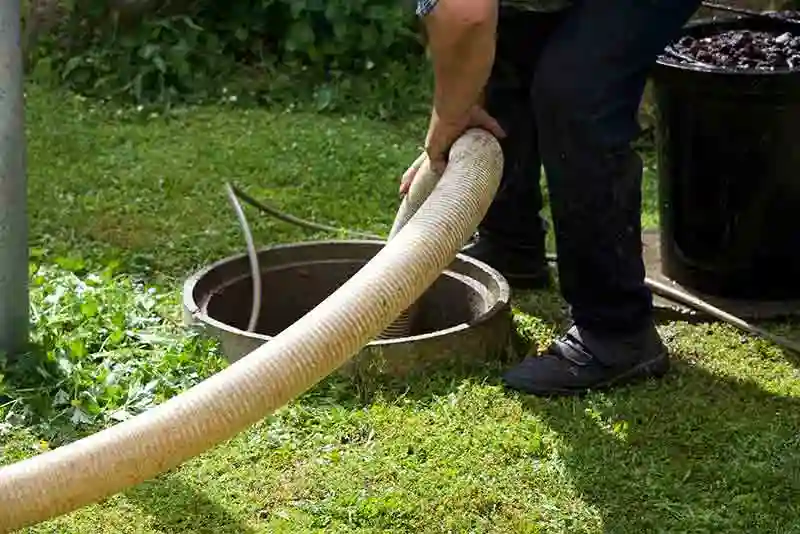
A sewer backup occurs when the normal flow of wastewater is blocked. Instead of traveling to the municipal sewer system or your septic tank, the waste has nowhere to go. It forces its way back up through your home’s drains, toilets, or floor drains. This creates a health risk and can cause significant damage to floors, walls, and personal property if not handled immediately.
Common Causes of Sewer Backups
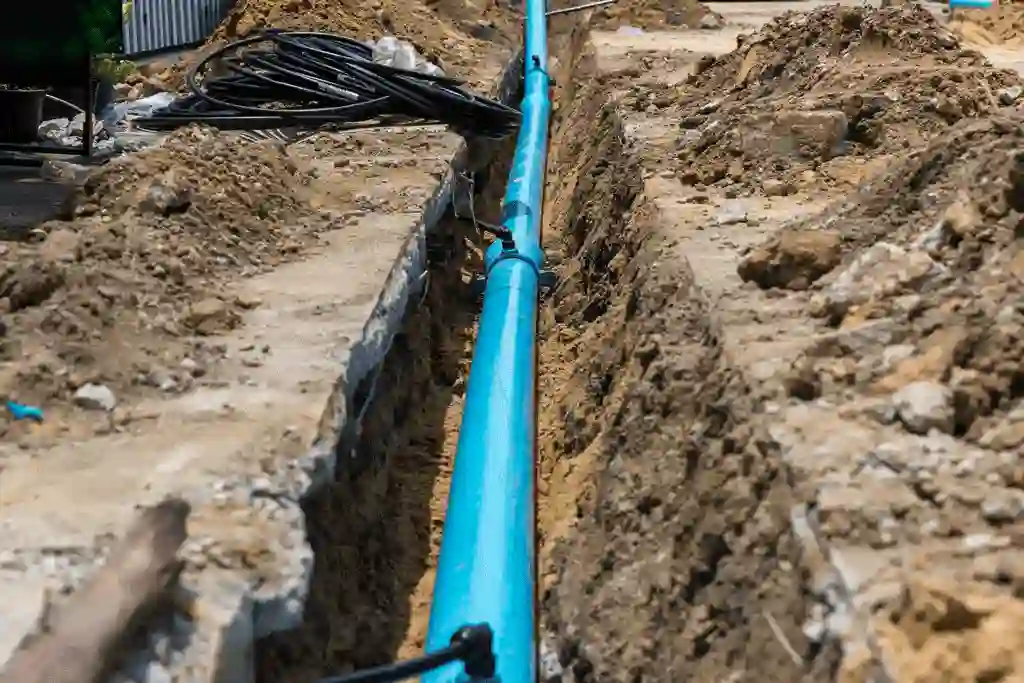
A few issues cause most sewer backups:
- Tree root intrusion, which cracks pipes and creates blockages over time
- Grease and debris buildup that narrows the pipe until waste can’t pass through
- Collapsed or cracked pipes, often in older clay, cast iron, or Orangeburg lines
- Flushed items like wipes, paper towels, or feminine products that don’t break down
- Municipal line backups that push waste back into your home during heavy rain
Older homes with aging pipe materials tend to see this problem more often than newer construction with modern PVC lines. A home built before the 1960s is especially likely to still have clay or cast iron pipe somewhere in the system, and both materials degrade in ways that create the exact conditions a backup needs to form.
Signs You Have a Sewer Backup
Watch for these warning signs before a small problem turns into a major one:
- Multiple drains backing up at the same time, not just one fixture
- Gurgling sounds from toilets or drains when water runs elsewhere
- A sewage smell coming from drains or your yard
- Water or waste coming up through floor drains or the lowest fixture in your home
- Slow drainage across the entire house, not just one sink or tub
If more than one drain is affected at once, that’s usually the clearest sign the problem is in the main line, not a single fixture.
How Much Does Sewer Backup Repair Cost?
The sewer backup repair cost typically ranges from $2,500 to $4,000 for standard repairs. If your situation requires a full sewer line replacement, expect to pay between $3,000 and $7,000. These prices vary based on the extent of the damage, the location of the pipe, and the method used to fix it. Smaller blockages that only need professional drain cleaning might cost significantly less, often starting under $500 depending on the complexity of the clog.
Average Sewer Backup Repair Cost by Service Type
Repairing a sewer line isn’t a one-size-fits-all job. Costs shift depending on what your specific system needs to get back to working order:
- Professional Drain Cleaning: $75–$200 for minor clogs.
- Tree Root Removal: $80–$1,000 depending on how deep the roots have grown.
- Camera Inspection: $100–$500 to find the exact location of the break.
- Trenchless Repair: $60–$250 per linear foot.
- Traditional Excavation: $50–$250 per linear foot.
Factors That Affect Sewer Backup Repair Cost
Several things push your total bill up or down:
- The severity of the damage. A small clog costs far less than a collapsed pipe.
- Pipe material. Older clay or Orangeburg pipes often need more extensive work than modern PVC.
- Access to the line. Pipes under concrete, driveways, or mature landscaping cost more to reach.
- Pipe depth and length. Deeper or longer runs mean more excavation or trenchless footage.
- Emergency timing. After-hours or weekend service usually adds a premium to the base cost.
You can read about: How to Remove Tree Roots from Sewer Line
Repair vs. Sewer Line Replacement Cost
A simple repair is almost always cheaper than a full replacement. You should consider a repair if the damage is isolated to one small section of the pipe. However, if your pipe is aged, crumbling throughout, or has multiple breaks, a full replacement is the smarter long-term investment. While the sewer line backup service to clear a clog is immediate, a replacement prevents you from paying for repeat repairs in the near future.
Does Insurance Cover Sewer Backup Repair?
Standard homeowners insurance usually does not cover sewer backup damage. You often need a specific endorsement or rider added to your policy to get protection. Even with an endorsement, insurance may cover damage to your floors or belongings but might not pay to fix the actual pipe itself. Always review your policy and talk to your agent to see what specific perils are covered under your current plan.
Emergency Repair Pricing for Sewer Backups
Emergency repairs are necessary when you cannot use your water or your home is flooding. Because these services often require immediate dispatch, after-hours labor, and urgent coordination, the sewage backup cleanup cost can be higher than a scheduled repair. Professional plumbers may charge a higher hourly rate for emergency calls. To keep these costs down, try to mitigate damage by shutting off your main water valve as soon as you notice the backup.
DIY vs. Hiring a Professional
While you might want to try a store-bought drain cleaner, avoid chemical solutions for major backups. They are rarely effective against severe clogs and can actually damage your pipes or be dangerous to handle. Professionals have the tools to safely identify the root cause using cameras. They can also perform hydro-jetting or trenchless repairs that a DIY enthusiast simply cannot do. Hiring a pro ensures the job is done right the first time.
How Professionals Repair a Sewer Backup
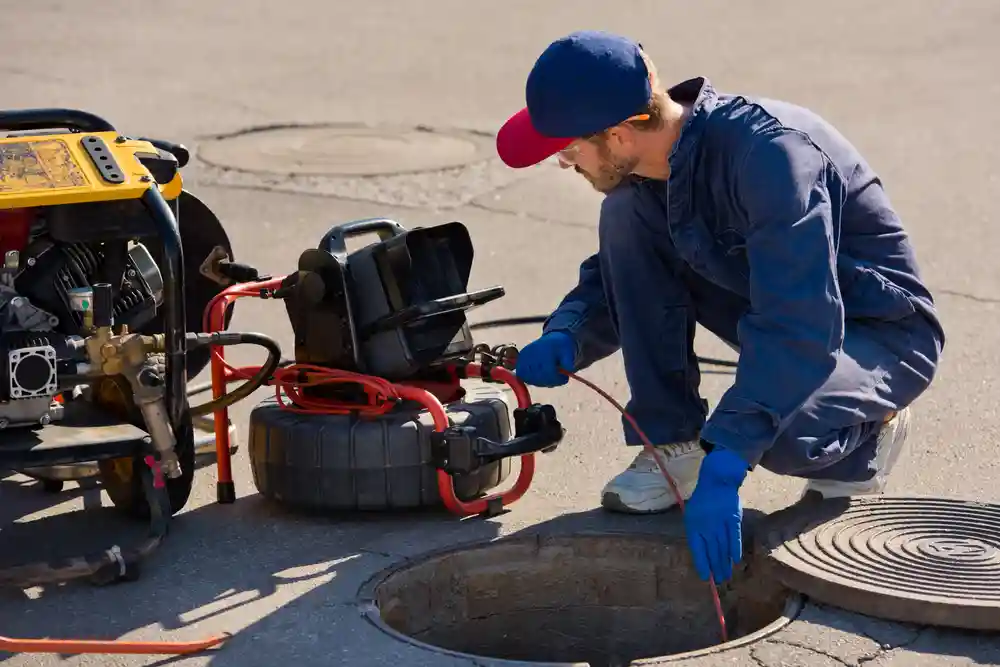
Plumbers start with a camera inspection to see what is happening inside your pipes. Once they find the blockage or break, they choose the best tool for the job. For clogs, they might use high-pressure water or specialized augers to clear the debris. If the pipe is broken, they might use trenchless methods to line the pipe from the inside. This creates a new surface without the need for major digging.
How to Prevent Costly Sewer Backups
A few habits go a long way toward avoiding a repeat bill:
- Schedule a camera inspection every few years, especially in older homes
- Avoid flushing wipes, paper towels, or grease down drains
- Keep tree roots away from your sewer line’s path when planting new landscaping
- Address slow drains early, before they turn into a full backup
None of these habits take much time, but together they catch small problems while they’re still cheap to fix, instead of waiting until a full backup forces an emergency call.
Overview of Derks Plumbing’s Services
At Derks Plumbing, we specialize in identifying the hidden causes of your drainage issues. If you are struggling with recurring clogs or suspected pipe damage, our team provides expert Sewer Line Repair in Eagle Rock. We prioritize clear communication and effective, long-lasting solutions to keep your home safe. Our technicians use advanced camera technology to diagnose your system accurately, ensuring you only pay for the repairs you truly need.

Conclusion
A sewer backup is a serious issue, but it does not have to be a mystery. By understanding the common causes and acting quickly, you can manage the sewer backup repair cost effectively. Regular maintenance and professional inspections are your best tools for avoiding these messy emergencies. When you do face a problem, contact a trusted professional to help you restore your home’s safety and function.
FAQs
What is the average sewer backup repair cost for a single-family home?
Most minor backups cost between $200 and $2,000, while repairs involving a damaged pipe can run into the thousands depending on severity.
What is the cost to fix sewer backup issues caused by tree roots?
Root-related repairs often range from $600 to $5,000, depending on whether a spot repair, trenchless lining, or full replacement is needed.
Does sewage backup cleanup cost more than the actual pipe repair?
Cleanup alone, including disinfecting and removing contaminated materials, can run a few hundred to a couple thousand dollars, separate from any pipe repair costs.
Is a sewer line backup service covered by a home warranty?
Coverage varies by provider and plan. Many home warranties exclude sewer line issues caused by age or root intrusion unless a specific add-on is included.
How long does sewer backup repair usually take?
Basic clog removal can take a few hours, while full line replacement can take one to five days depending on access and the length of pipe involved.