A well-maintained septic system can serve a home for many years. However, its parts do not all wear out at the same rate. A concrete tank may last 50 years or longer, while a drainfield may need attention after 25 to 30 years. Pumps and controls often need replacement sooner. Proper installation, regular inspections, and careful water use all affect how long the system works.
If you are asking How Long Does a Septic System Last, the answer depends on its age, materials, soil, and maintenance. Understanding each part’s lifespan helps you plan repairs before a small problem becomes a costly failure.
How Long Does a Septic System Last on Average?
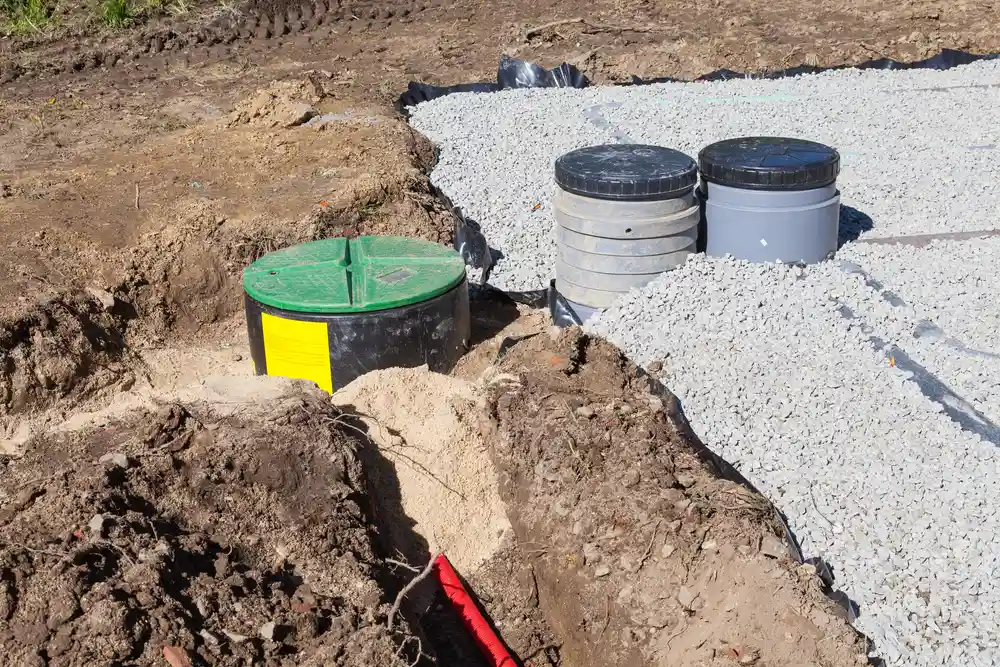
A septic system does not have one fixed lifespan. Its tank, drainfield, pipes, and mechanical parts age differently. A well-designed system with proper care can work for decades. Poor installation, heavy use, or neglected maintenance can cause it to fail much sooner.
The U.S. Environmental Protection Agency (EPA) says a concrete septic tank may last 50 years or more. Plastic tanks may have a similar expected lifespan, depending on the product and installation. A drainfield that is more than 25 to 30 years old may begin having trouble treating and releasing wastewater. Pumps and controls often need replacement every 10 to 20 years.
These figures are general estimates, not guarantees. Your system’s condition matters more than its age alone. An older tank may still work well, while a newer drainfield can fail early if it receives too much wastewater.
How Long Does Each Part of a Septic System Last?
A septic system has several parts that work together. Knowing their expected lifespans helps you understand which repairs may come first.
Concrete Septic Tank
Concrete tanks are strong and can last for 50 years or longer when properly built and maintained. They resist many forms of damage, but they are not immune to wear.
Cracks, poor installation, soil movement, and corrosion can weaken the tank. Older concrete tanks may also have damaged lids, baffles, or joints. Regular inspections help find these issues before they cause a larger problem.
Plastic and Fiberglass Septic Tanks
Plastic and fiberglass tanks do not rust like steel. They are also lighter than concrete, which can make them easier to move and install.
The EPA notes that plastic tanks may last a similar amount of time to concrete tanks. Their actual life depends on the product, soil conditions, installation, and care.
These tanks can still crack, shift, or become damaged by poor installation or outside pressure. Follow the manufacturer’s guidance and local installation rules.
Steel Septic Tanks
Steel tanks generally have a shorter life than concrete, plastic, or fiberglass models. Moisture and wastewater can cause steel to rust from the inside or outside.
As corrosion spreads, the tank may become weak or unsafe. Some older steel tanks may have serious damage even when the ground above them looks normal.
If your home has an older steel tank, arrange a professional inspection. Never enter a septic tank or try to inspect its inside yourself. The gases and lack of oxygen can be deadly.
Septic Drainfield
The drainfield is the part of the system that receives wastewater from the tank. It allows the liquid to move through soil, where natural processes help treat it.
A drainfield may work for 25 to 30 years or longer. Its life depends on soil type, water use, installation, and how much solid waste reaches it.
Over time, a natural layer called biomat can build up in the drainfield. Too much buildup can slow wastewater movement through the soil. Water may then collect near the surface or back up toward the house.
A damaged drainfield can be costly to repair or replace. Protecting it is a major part of caring for your septic system.
Septic Pumps and Other Components
Some septic systems use pumps to move wastewater between tanks or toward a treatment area. These systems may also have floats, alarms, electrical controls, and filters.
The EPA says many septic pumps and controls need replacement every 10 to 20 years. Actual life depends on use, equipment quality, and maintenance.
If your pump makes unusual noises or an alarm keeps sounding, arrange an inspection. Do not ignore a pump problem because it can affect the whole system.
What Factors Affect Septic System Lifespan?
Several conditions affect the life of septic tank parts and the full system. Some are linked to the property, while others depend on daily household habits.
Regular Pumping and Maintenance
Solid waste settles inside the septic tank and forms a layer of sludge. Grease and lighter waste form a layer of scum near the top. If these layers build up too much, solids can move into the drainfield and clog it.
The EPA generally recommends a professional inspection every one to three years. Most household tanks need pumping every three to five years. The right schedule depends on tank size, household size, water use, and waste buildup.
Household Size and Water Usage
More people usually mean more wastewater entering the system. A tank designed for a small household may struggle when more people move into the home.
Using too much water at once can also overload the system. For example, running several loads of laundry while people shower can send more water into the tank than the drainfield can handle.
Spread laundry and other high-water tasks across the week. Repair leaking taps and toilets to reduce unnecessary water flow.
Soil and Groundwater Conditions
Soil plays an important role in how a drainfield works. The ground must absorb and treat wastewater at a suitable rate.
Poor drainage, high groundwater, shallow soil, or unsuitable ground can affect system performance. Heavy rain and flooding can also saturate the drainfield and slow wastewater movement.
Installation Quality
A septic system must match the property’s soil, size, and expected wastewater use. Poor design or installation can lead to early trouble.
Incorrect tank placement, weak connections, or a drainfield in unsuitable soil can cause problems. Always follow local rules and use qualified professionals for installation and major repairs.
What Goes Down Your Drains
Septic systems rely on natural processes to break down waste. Flushing items that do not break down easily can cause blockages and increase solids inside the tank.
Keep wipes, paper towels, cooking grease, oils, and household trash out of toilets and drains. Use cleaning products as directed and avoid pouring harmful chemicals into the plumbing.
Signs Your Septic System Is Nearing the End of Its Life
An old septic system does not always need replacement. However, repeated problems may show that one or more parts are failing.
Watch for these warning signs:
- Slow drains: Sinks, showers, and toilets may drain slowly when wastewater cannot move through the system properly.
- Frequent backups: Wastewater returning through toilets or drains can point to a blockage or system failure.
- Sewage smells: Strong odors near the tank or drainfield may signal a problem.
- Wet ground: Standing water or soft, spongy soil near the drainfield can mean wastewater is not draining correctly.
- Unusually green grass: A bright, lush patch above the drainfield may indicate wastewater is reaching the surface.
- Repeated repairs: Ongoing pump, pipe, or tank problems may suggest that the system needs a larger repair plan.
These signs do not prove the entire system has reached the end of its life. A blocked pipe, failed pump, or damaged baffle may be repairable. A professional inspection can help identify the actual cause.
How to Make Your Septic System Last Longer
Good daily habits can reduce strain on your septic system. They also help protect the drainfield and limit the need for major repairs.
- Follow a pumping schedule: Have the tank inspected and pumped when needed. Keep records of each visit and any repairs.
- Use water wisely: Fix leaks, install efficient fixtures, and spread laundry loads across the week.
- Flush only suitable waste: Put human waste and toilet paper in the toilet. Place wipes and other trash in a bin.
- Protect the drainfield: Do not park vehicles, build structures, or place heavy objects over the drainfield.
- Keep rainwater away: Direct roof drains and sump pump outlets away from the drainfield.
- Keep trees at a safe distance: Roots can enter pipes and damage parts of the system. Ask a septic professional about safe planting distances.
- Check alarms and pumps: If your system has electrical parts, follow the manufacturer’s service schedule.
Avoid relying on septic tank additives as a replacement for pumping. The EPA says routine inspection and pumping remain key parts of proper care.
Can You Repair an Old Septic System or Should You Replace It?
The age of your system alone does not decide whether it needs replacement. A professional should inspect the tank, pipes, pump, and drainfield before recommending major work.
Some problems have simple fixes. A damaged baffle, clogged filter, broken pipe, or failed pump may be repaired or replaced without changing the entire system.
A cracked tank, collapsed drainfield, or repeated wastewater backup may require more extensive work. The condition of the soil and local rules also affect which repair options are available.
Ask for a clear inspection report that explains the problem and the work needed. Compare the cost of repairs with the condition of the remaining parts. This helps you avoid replacing a whole system when one component needs attention.
When Should You Replace Your Septic System?
Replacement may be necessary when the tank is unsafe, the drainfield no longer works, or major failures keep returning. A system that is more than 25 to 30 years old deserves careful review, especially if it has never had proper maintenance.
Plan ahead if an inspection finds serious damage. Waiting until wastewater backs up into your home can create health risks and add cleanup costs.
A septic professional can assess the site, review local requirements, and explain suitable replacement options. You may also need approval from your local health or building department before work begins.
Conclusion
So, How Long Does a Septic System Last? A well-maintained concrete tank may last 50 years or longer, while a drainfield may need attention after 25 to 30 years. Pumps and controls often have shorter lifespans. The full system’s condition depends on installation, soil, water use, and regular care.
Derks Plumbing encourages homeowners to take plumbing and wastewater concerns seriously. Keep inspection records, watch for warning signs, and seek professional help when problems appear. Regular care can help your system work properly and reduce the risk of costly damage.

Frequently Asked Questions
How often should a septic tank be replaced?
There is no fixed replacement schedule for every tank. A concrete tank may last 50 years or longer, but its condition, material, and maintenance determine when replacement is needed. Have it inspected before making that decision.
Can a septic system last 50 years?
Yes. A well-designed and maintained concrete tank can last 50 years or more. However, the drainfield, pump, and other parts may need repair or replacement sooner.
What is the most common cause of septic system failure?
Poor maintenance, unsuitable installation, and too much wastewater can cause septic systems to fail. When solids leave an unmaintained tank, they can clog the drainfield and reduce its ability to handle wastewater.
Does pumping a septic tank extend its lifespan?
Regular pumping helps remove built-up solids and protects the drainfield from clogs. It supports the system’s lifespan, but it cannot repair a cracked tank or failing drainfield.
How do I know if my septic drainfield is failing?
Common signs include standing water, sewage odors, slow drains, and wastewater backups. Bright green grass over the drainfield can also signal a problem. Arrange a professional inspection if you notice these signs.


