Tankless water heaters heat water only when you need it. When you open a hot-water tap, cold water enters the unit and passes through a heat exchanger. A gas burner or electric element warms the water as it flows. Once you close the tap, the heater stops heating, helping reduce energy lost from stored hot water.
How does a Tankless Water Heater Works? It senses water flow, heats water on demand, and sends it to your faucet. There is no storage tank, but the heater still has limits. Its output depends on its size, incoming water temperature, and the number of taps running.
What Is a Tankless Water Heater?
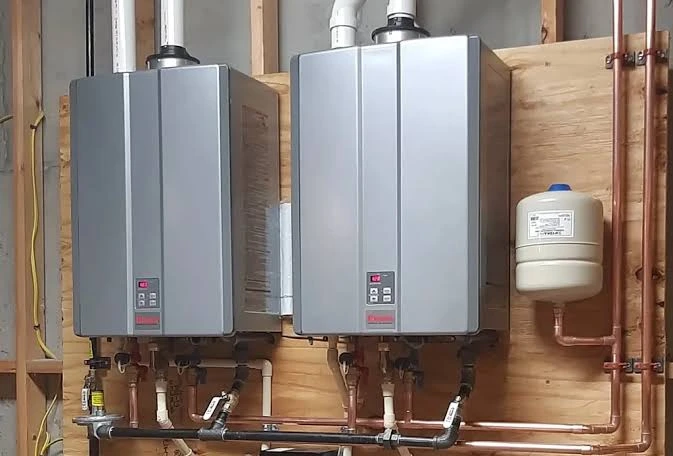
A tankless water heater is a device that heats water as it passes through the unit. Unlike a traditional heater, it does not keep a large supply of hot water in a tank.
These systems are also called on-demand water heaters. They can serve one fixture, such as a kitchen sink, or supply hot water throughout a home.
A whole-home unit must be sized for your household’s needs. A small unit may struggle when several showers and taps run together. The right model can provide steady hot water without reheating a large tank throughout the day.
How Does a Tankless Water Heater Work Step by Step?
Understanding how a tankless water heater works is easier when you follow the water from the inlet to the faucet.
Step 1: You Open a Hot-Water Tap
When you turn on a hot-water faucet or shower, water begins flowing through the plumbing. Cold water enters the tankless unit through its inlet pipe.
Step 2: The Flow Sensor Detects Water
A flow sensor detects moving water and signals the control system. The heater checks whether the flow meets its minimum operating level. If the flow is too low, some models may not activate.
Step 3: The Heating System Turns On
The control board activates the gas burner or electric heating elements. Gas models also use an ignition system and safety controls. Many gas units need electricity to run their sensors and controls.
Step 4: Water Passes Through the Heat Exchanger
The heat exchanger transfers heat to the flowing water. In gas models, hot combustion gases heat the exchanger. In electric models, heating elements warm the water through the unit’s design.
Step 5: Sensors Control the Temperature
Temperature sensors monitor the water and help the system adjust its heat output. This control helps prevent unwanted temperature changes. The final result also depends on the incoming water temperature and flow rate.
Step 6: Hot Water Reaches Your Faucet
The heated water travels through the pipes to your shower, sink, or other fixture. You may need to wait briefly while water already sitting in the pipes clears.
Step 7: The Heater Stops Heating
When you close the tap, water flow stops. The control system shuts off the burner or heating elements. The unit waits until another demand for hot water begins.
You can read about: What size of tankless water heater do i need?
What Are the Main Parts of a Tankless Water Heater?
Each part has a role in heating water safely and keeping the temperature steady.
- Flow sensor: Detects water movement and signals the heater to start.
- Heat exchanger: Transfers heat to the water as it flows through the unit.
- Gas burner or electric elements: Provide the heat needed to warm the water.
- Control board: Coordinates the heating process and manages system settings.
- Temperature sensors: Monitor water temperature and help regulate heat output.
- Water filters: Catch some debris before it enters sensitive parts.
- Venting system: Carries combustion gases outside in models that burn fuel.
- Safety controls: Help shut down the unit if unsafe conditions occur.
Not every model has the same parts. Always check the manufacturer’s manual for details about your specific unit.
How Does a Gas Tankless Water Heater Work?
A gas tankless water heater uses natural gas or propane to heat water. When the flow sensor detects enough water movement, the control system starts the ignition process and opens the gas supply as required.
The burner produces heat, which passes through the heat exchanger. Water flowing inside the exchanger absorbs that heat before leaving the unit.
Gas models often provide high heating capacity for larger homes. However, they need the right gas supply, proper venting, and enough combustion air. Some models also require a larger gas line than an older tank heater.
Condensing models recover extra heat from exhaust gases. Non-condensing models release hotter exhaust and usually need different vent materials. A licensed plumber should confirm the correct setup for your home.
How Does an Electric Tankless Water Heater Work?
An electric tankless water heater uses electrical elements instead of a gas burner. When water starts flowing, the control system switches on the elements and adjusts their output.
Water passes through the heating chamber and absorbs heat before reaching your fixture. When water flow stops, the elements switch off.
Electric units do not need gas lines or combustion vents. They can be compact and work well for single fixtures or suitable whole-home setups.
However, many whole-home electric models need substantial electrical capacity. Your panel, wiring, voltage, and circuit size must match the manufacturer’s requirements. An electrician should check these needs before installation.
Do Tankless Water Heaters Provide Unlimited Hot Water?
Tankless heaters can provide hot water for extended periods because they do not rely on a fixed tank. However, they cannot heat unlimited water at any flow rate.
Every unit has a maximum flow rate and heating capacity. Running two showers at once may reduce the available temperature or flow if the heater cannot meet the combined demand.
Incoming water temperature also matters. In colder weather, the unit must work harder to raise the water to your chosen temperature. This can reduce the amount of hot water it delivers each minute.
Before choosing a model, estimate how many fixtures may run together. A plumber can calculate the required flow rate and temperature rise to help you select the right size.
Are Tankless Water Heaters Energy Efficient?
Tankless water heaters can use less energy than storage heaters because they avoid keeping a full tank hot all day. This reduces standby heat loss, especially in homes with regular hot-water use.
Actual savings depend on the model, fuel prices, household habits, and installation quality. A tankless unit may not lower every home’s bills, particularly if hot-water use is low or the installation requires costly upgrades.
Look at the unit’s energy rating and compare models that use the same fuel. Proper sizing and routine care also help the heater work as intended.
Why Does a Tankless Water Heater Take Time to Deliver Hot Water?
A tankless heater warms water on demand, but it cannot remove the wait caused by your plumbing. When you open a tap, the cool water already sitting in the pipe must leave before the newly heated water arrives.
The distance between the heater and the fixture affects this delay. Long pipe runs often create longer waits and waste more water while you wait for the temperature to rise.
A recirculation system can help reduce waiting time by moving warm water through the plumbing. Some homes may benefit from a small point-of-use heater near a distant sink. Ask a plumber which option suits your layout and budget.
How to Maintain a Tankless Water Heater
Regular maintenance helps protect the heat exchanger and keeps the unit operating safely. Follow the manufacturer’s service schedule, since maintenance needs vary by model and water quality.
- Flush away mineral deposits: Hard water can leave scale inside the heat exchanger. A qualified technician can descale the unit as directed by the manufacturer.
- Clean the inlet filter: Debris can restrict water flow and affect performance.
- Check for leaks: Look for water around pipes and connections. Have any leak inspected promptly.
- Inspect gas and vent systems: A qualified professional should check gas connections, combustion, and venting when required.
- Watch for error codes: Record the code and consult the manual before seeking service.
- Keep records: Note service dates and repairs to help track recurring problems.
Never open sealed gas components or work on live electrical parts unless you are qualified to do so. If you smell gas, leave the area and contact your gas utility or emergency service from a safe location.
Conclusion
A tankless water heater heats water as it flows through the unit, rather than storing it in a tank. Its flow sensor starts the heating process, while the heat exchanger warms the water and sensors help control the temperature.
The right model can provide reliable hot water and reduce standby heat loss. However, proper sizing, safe installation, and regular maintenance are key to good performance.
If you are considering an upgrade, Derks Plumbing can help you explore your options. Learn more about Tankless Water Heater Installation in Eagle Rock to find a setup that fits your home’s hot-water needs.
Frequently Asked Questions
How do tankless water heaters work?
They detect water flow, activate a gas burner or electric heating element, and warm water as it passes through a heat exchanger. They stop heating when the hot-water tap closes.
Do tankless water heaters work during a power outage?
Most modern gas and electric models need electricity for their controls. They may stop working during an outage unless a compatible backup power source is available.
Can a tankless water heater run out of hot water?
It does not run out of stored water because it has no storage tank. However, it may struggle to maintain the desired temperature if demand exceeds its heating capacity.
How long does it take a tankless water heater to heat water?
The unit begins heating water when flow triggers the system. The time you wait at the faucet depends on the heater’s response, water flow, pipe length, and incoming water temperature.
Is a gas or electric tankless water heater better?
Neither option is best for every home. Gas models can offer high output, while electric models avoid combustion venting. Available utilities, installation costs, and hot-water demand should guide your choice.
How long does a tankless water heater last?
Many tankless units can last around 15 to 20 years with suitable care, though actual life varies by model, water quality, use, and maintenance.
Does a tankless water heater need maintenance?
Yes. Filter cleaning, scale removal, and periodic checks help maintain safe operation and performance. Follow the service schedule in the manufacturer’s manual.


