Tankless water heaters provide hot water without storing it in a large tank. However, they can still develop problems that affect their performance. Mineral buildup, ignition failure, low water flow, and gas supply issues are some common causes. These problems can lead to cold showers, changing water temperatures, strange noises, or a unit that stops working. Some issues are easy to check, while others need a trained plumber.
So, What Are Common Problems with Tankless Water Heaters? Most involve poor water flow, dirty parts, blocked vents, or faulty sensors. Knowing the warning signs helps you find the cause and choose the right fix before the problem gets worse.
How Does a Tankless Water Heater Work?
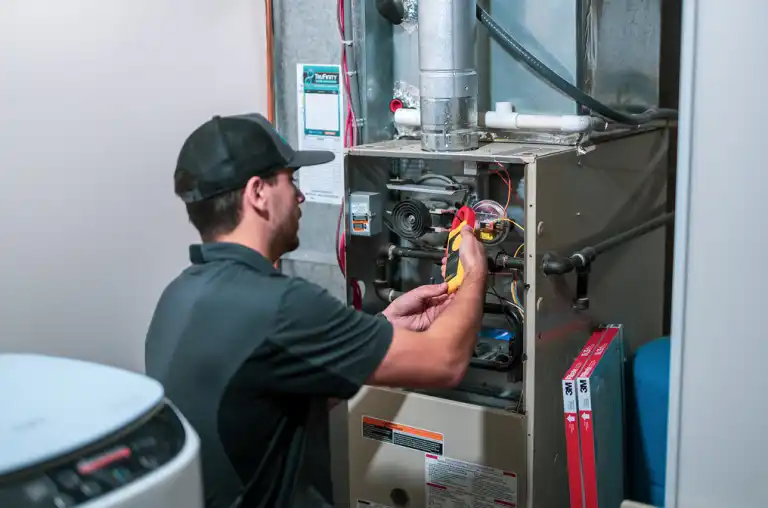
A tankless water heater heats water only when someone needs it. It does not store hot water like a traditional tank heater. When you turn on a hot water faucet, cold water enters the unit through an inlet pipe.
A flow sensor detects the water and tells the control board to start heating. Gas models use a burner, while electric models use heating elements. The heat exchanger transfers heat to the water as it moves through the unit.
The heated water then travels through your pipes and reaches the faucet or shower. When you close the faucet, the unit stops heating.
This design can save space and reduce standby heat loss. However, the unit depends on proper water flow, power, gas supply, and regular care. A problem with any of these parts can affect your hot water.
10 Common Problems with Tankless Water Heaters
Tankless water heater issues can start with small changes in water temperature or pressure. Here are ten problems homeowners should understand.
1. Mineral Buildup Inside the Heat Exchanger
Mineral buildup is one of the most common problems in areas with hard water. Hard water contains minerals like calcium and magnesium. These minerals can collect inside the heat exchanger over time.
As the buildup grows, water has a harder time moving through the unit. The heater may take longer to heat water or make unusual noises. Heavy scales can also reduce heating performance and damage internal parts.
What can you do?
Flush the unit with a descaling solution approved by its manufacturer. Follow the service instructions for your model. A plumber can also install a water treatment system if hard water is a regular problem.
2. No Hot Water or Inconsistent Hot Water
A tankless water heater not working can leave you with cold water when you need it most. Sometimes, the water starts hot but turns cold after a few minutes.
Several things can cause this problem. The unit may have a power failure, gas supply issue, blocked filter, or ignition problem. A faulty sensor can also stop the heater from working correctly.
What can you do?
Check the power supply and look at the display for an error code. If you have a gas model, check whether the gas supply is available. Never open gas lines or try to repair the burner yourself.
3. Water Temperature Keeps Changing
Have you noticed your shower water going from hot to cold without warning? This problem is often called temperature fluctuation.
It can happen when several faucets or appliances use hot water at the same time. The heater may struggle to meet the combined demand. Low flow, scale buildup, or a faulty mixing valve can also cause temperature changes.
What can you do?
Try using one hot water fixture at a time. Check whether the problem happens at every faucet or only one. If the temperature keeps changing, have a plumber inspect the flow rate, mixing valve, and heating system.
4. Low Hot Water Pressure
Low water pressure can make showers uncomfortable and slow down daily tasks. A tankless unit needs enough water flow to work as designed.
A clogged inlet filter can restrict the water entering the heater. Mineral deposits inside the heat exchanger can also reduce water flow. Sometimes, the issue comes from old pipes or a partly closed valve.
What can you do?
Check whether cold water pressure is also low. If both hot and cold water have poor pressure, the problem may be in your plumbing system. If only hot water is affected, ask a plumber to inspect the heater’s filter and water connections.
5. Cold Water Sandwich Effect
The cold water sandwich effect happens when a short burst of cold water appears between two bursts of hot water. You may notice it when you turn off a shower and turn it back on shortly afterward.
This can happen because some hot water remains inside the pipes after the heater stops. When you open the faucet again, that leftover water may reach you before the newly heated water arrives.
What can you do?
Avoid turning the hot water off and on repeatedly during a shower. If the issue happens often, ask a plumber to check the pipe layout and heater settings. Some systems may benefit from a properly installed recirculation setup.
6. Ignition or Flame Failure
Gas tankless water heaters need a working ignition system to light the burner. If the burner does not ignite, the unit cannot heat water.
Common causes include a weak ignition component, low gas pressure, a dirty burner, or a faulty flame sensor. Some units display an error code when ignition fails.
What can you do?
Check the manufacturer’s instructions and read the error code on the display. Make sure the gas supply has not been shut off. If the heater still fails to ignite, contact a qualified technician. Do not attempt to adjust the gas valve or burner.
7. Gas Supply Problems
Gas tankless water heaters need the correct fuel supply to produce enough heat. If gas pressure is too low, the heater may struggle to warm the water.
An undersized gas line, closed shutoff valve, or another gas appliance using too much fuel can affect performance. A gas supply problem may also cause the heater to shut down.
What can you do?
Check the owner’s manual for basic supply requirements. Do not adjust gas connections yourself. A licensed professional should test the gas pressure and inspect the supply line.
If you smell gas, leave the area immediately. Avoid switches, flames, and anything that could create a spark. Contact your gas provider or emergency services from a safe location.
8. Blocked Air Intake or Exhaust Vent
Gas tankless heaters need proper airflow to burn fuel safely. They also need a clear exhaust path to remove combustion gases.
Leaves, dust, nests, or other debris can block the air intake or exhaust vent. This may cause poor performance or trigger a safety shutdown.
What can you do?
Look at the outside vent opening from a safe location. Check for visible blockages without removing covers or taking apart the vent system. Have a qualified technician inspect the vent if you notice damage or repeated shutdowns.
9. Error Codes and Sensor Problems
Modern tankless heaters use sensors to monitor water flow, temperature, ignition, and other functions. When a sensor detects a problem, the control board may display an error code.
A code can point to a blocked filter, overheating, ignition failure, or another system issue. The meaning depends on the brand and model.
What can you do?
Write down the error code before resetting the unit. Check your owner’s manual for its meaning. Avoid guessing or replacing parts based on the code alone. A technician can test the related parts and confirm the cause.
10. Water Leaks and Unusual Noises
Water leaks can develop around pipe connections, valves, or internal parts. Even a small leak can damage nearby walls, floors, and equipment.
Unusual noises can also point to a problem. Popping or rumbling may come from mineral buildup. Hissing, banging, or vibration may have other causes.
What can you do?
Check the visible pipes and connections for moisture. If you find a leak, stop using the heater when safe and follow the manufacturer’s shutdown instructions. Contact a plumber to find the source.
Never ignore unusual sounds, especially when they happen along with poor heating or water leaks.
What Causes Tankless Water Heater Problems?
Most tankless water heater issues develop because of poor maintenance, water quality, or incorrect installation. Some problems also come from normal wear over time.
Here are the main causes:
- Hard water: Calcium and magnesium collect inside the heat exchanger and reduce performance.
- Poor installation: Incorrect pipe sizes, gas supply, or vent placement can affect how the unit works.
- Lack of maintenance: Dirty filters and mineral deposits can reduce water flow and heating ability.
- Incorrect unit size: A heater that cannot meet household demand may struggle when several fixtures run together.
- Electrical faults: Damaged wiring, loose connections, or a tripped breaker can stop an electric unit.
- Worn parts: Sensors, valves, ignition parts, and heating elements can fail with age.
Finding the actual cause is important. Replacing a part without checking the full system may not solve the problem.
How to Troubleshoot Common Tankless Water Heater Problems
Before arranging tankless water heater repair, you can check a few basic things. These checks may help you understand the issue.
- Check the power supply: Look at the circuit breaker if your unit uses electricity. Do not touch exposed wires or damaged connections.
- Read the display: Note any error code and check its meaning in the owner’s manual.
- Check water flow: See whether the problem affects one faucet or every hot water fixture.
- Inspect visible valves: Make sure the water shutoff valves are in their correct positions.
- Look for leaks: Check around the unit and nearby pipe connections.
- Check the air vent: Look for visible debris or damage around the outside opening.
- Review the temperature setting: Make sure the selected temperature suits your household needs.
Never remove the heater’s cover or work on gas, electrical, or internal heating parts unless you are qualified. If a basic check does not solve the issue, stop troubleshooting and call a professional.
How Can You Prevent Tankless Water Heater Problems?
Regular tankless water heater maintenance can help your system work properly for years. It also helps catch small issues before they turn into costly repairs.
Follow these simple care steps:
- Flush the heat exchanger: Descale the unit as recommended by its manufacturer. Hard water homes may need more frequent service.
- Clean the inlet filter: Remove trapped dirt and debris according to the owner’s manual.
- Check the air filter: Keep the filter clean if your model has one.
- Inspect the vent: Make sure the air intake and exhaust openings stay clear.
- Check for leaks: Look around the unit and pipes for signs of moisture.
- Keep the area clean: Do not store boxes or other items around the heater.
- Schedule professional service: Have a qualified technician inspect the unit at the recommended intervals.
Keep a record of service dates and any error codes. This information can help a technician find repeat problems faster.
Should You Repair or Replace Your Tankless Water Heater?
The right choice depends on the heater’s age, condition, and repair cost. A small issue does not always mean you need a new unit.
Repair may be the better choice when:
- The heater is still within its expected service life.
- The problem involves a replaceable sensor or filter.
- There is no major heat exchanger damage.
- The repair cost is reasonable compared with replacement.
Replacement may make more sense when:
- The unit has frequent breakdowns.
- Major internal parts have failed.
- Repair costs are close to the price of a new system.
- The heater no longer meets your household’s hot water needs.
Ask a plumber to inspect the unit before making a decision. Compare the repair estimate with the cost of a new heater, including installation and any required pipe or vent changes.
When Should You Call a Professional Plumber?
Some tankless water heater problems need professional attention. Call a qualified plumber if you notice:
- Repeated loss of hot water.
- Frequent error codes or unexpected shutdowns.
- Water leaking from the unit or nearby connections.
- Burning smells, electrical sparks, or damaged wiring.
- Poor gas performance or ignition failure.
- Unusual noises that continue after basic checks.
- Blocked or damaged exhaust vents.
Gas leaks and possible carbon monoxide problems require immediate action. Leave the area and contact the proper emergency service. Do not try to repair the heater yourself.
A professional can inspect the gas supply, water flow, venting, electrical parts, and heat exchanger. This helps identify the real cause instead of treating only the visible symptoms.
Conclusion
Tankless water heaters can provide reliable hot water, but they still need proper care. Mineral buildup, ignition failure, low water pressure, and sensor problems can affect their performance. Early checks and regular service can help prevent larger repairs.
If you’re planning a new system, proper Tankless Water Heater Installation in Eagle Rock can help your heater meet your home’s hot water needs. Correct sizing, safe connections, and proper venting all matter. Derks Plumbing helps homeowners address plumbing and water heater concerns with professional service. Contact Derks Plumbing when you need help with a tankless water heater problem or installation.
Frequently Asked Questions
What Are Common Problems with Tankless Water Heaters?
Common problems include mineral buildup, low water pressure, ignition failure, gas supply issues, blocked vents, and changing water temperatures. Dirty filters and faulty sensors can also affect performance. Regular service helps reduce many of these problems.
How long do tankless water heaters usually last?
Many tankless water heaters last around 15 to 20 years with proper care. Their lifespan depends on water quality, usage, installation, and maintenance. Regular flushing and timely repairs can help extend the unit’s service life.
Why does my tankless water heater keep turning off?
A tankless heater may shut off because of low water flow, overheating, ignition failure, or a blocked vent. A faulty sensor can also trigger a safety shutdown. Check the displayed error code and contact a technician if the problem continues.
How often should a tankless water heater be flushed?
Many manufacturers recommend flushing a tankless water heater about once a year. Homes with hard water may need more frequent descaling. Always follow the maintenance schedule in your specific unit’s manual.
Is it expensive to repair a tankless water heater?
Repair costs depend on the problem, parts, labor, and unit type. Cleaning a filter or flushing the heat exchanger usually costs less than replacing a major internal part. Ask for an inspection and written estimate before approving the work.


