Drain lines rely on gravity to carry wastewater away from your home smoothly. When pipes change direction too many times without an opening point, waste slows down and builds up inside the walls. Plumbing codes set clear angle limits on horizontal runs to keep sewage moving freely without constant blockages.
Many homeowners planning a bathroom remodel ask, what is the 135 rule in plumbing? It is a code requirement stating that a horizontal drain pipe cannot turn more than 135 degrees total without installing an accessible cleanout fitting.
What Is The 135 Rule For Plumbing?
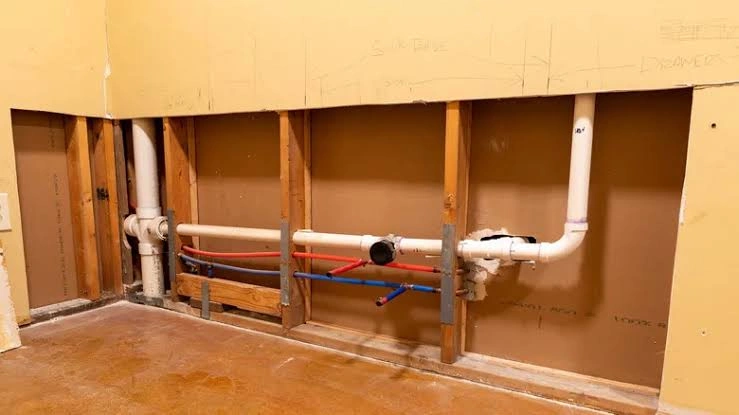
The 135 rule sets a maximum limit on how much a horizontal drain line can turn before a plumber needs access to clear it. Under standard building rules like the Uniform Plumbing Code, gravity drain lines must stay as direct as possible. When waste travels down a pipe, every turn creates friction. Friction slows the flow of water.
When water slows down, heavy solids drop out of the stream. They settle on the bottom of the pipe. Over time, these solids form dense clogs that backup your sinks, tubs, or toilets.
To stop this from happening, national codes created the drain line direction change code. This standard forces installers to place a cleanout fitting whenever horizontal pipe bends add up to more than 135 degrees. A cleanout is a capped pipe access point. It lets a drain snake enter the line easily to clear out stubborn debris.
What Does 135 Degrees Actually Mean?
Understanding geometry in pipe layouts sounds tricky, but the basic math is simple. The degree count does not come from a single bend. It comes from adding together all the turns along a continuous horizontal run.
Pipe fittings come in standard angle measurements:
- A 90 elbow turns the pipe sharply to a right angle.
- A 45 elbow turns the pipe halfway to a right angle.
- A 22.5 The elbow makes a soft bend.
To reach the 135-degree threshold, you simply add these angles together as the pipe travels across your floor or wall space.
Here are common fitting combinations that hit the maximum limit:
- One 90 elbow plus one 45 elbow equals 135 total change.
- Three 45 elbows in a row equal 135 total change.
- Six 22.5 elbows equal 135 total change.
If a contractor needs to add another bend after reaching this sum, they must break up the run. They install a 135 degree pipe fitting layout with an attached cleanout point before making another turn.
Why The 135 Rule Matters
Horizontal drain lines work entirely on gravity and liquid velocity. When you flush a toilet or drain a full sink, water moves at a fast speed to push solids toward the main city sewer line or septic tank.
Flow Resistance and Solid Accumulation
Water changes direction instantly when it hits a pipe wall bend. Solid waste, toilet paper, and grease do not turn as quickly. Heavy materials hit the side of the fitting, lose momentum, and sink. When multiple bends occur close together, water velocity drops below the minimum speed needed to scour the pipe clean.
Equipment Access Limits
Plumbing tools have physical limits. Drain snakes and flexible hydro-jetter hoses must push through pipe turns from an access point. Pushing a metal cable through one bend is easy. Pushing it through two bends takes force. Trying to push a rigid snake through more than 135 degrees of turns causes the cable to kink, bind, or break inside the wall. Keeping turn totals low protects your pipes from damage during routine drain cleaning sessions.
90 vs 135 Degree Plumbing Bend Comparisons
Choosing between fitting types changes how smoothly waste moves through your home. Many people confuse a single elbow angle with total system offsets.
| Fitting Feature | 90∘ Standard Bend | 45∘ Bend (Two combined make 90∘) | 135∘ Total System Offset |
| Flow Resistance | High impact resistance | Medium, smooth water transition | Reaches maximum safe limit |
| Best Used For | Vertical to horizontal drops | Horizontal directional adjustments | Max turn before requiring cleanout |
| Snake Access | Harder for stiff drain cables | Easy for cables to glide through | Requires cleanout opening nearby |
Using a single sharp bend slows water down fast. Plumbers often substitute one sharp 90 fitting with two 45 fittings spaced slightly apart. This sweep design lowers friction while helping you stay within plumbing code horizontal cleanout rules.
Where Homeowners Usually Run Into The 135 Rule
Most homeowners never think about drain pipe angles until they start a major home improvement project. Kitchens and bathrooms contain the most complex pipe layouts in any house.
Kitchen Remodels and Island Sinks
Installing an island sink is a common place where this rule applies. Island sinks do not have direct wall space for plumbing lines or standard vertical vents. Plumbers must run drain lines under the floor, turning around floor joists to reach main stack lines. These offset paths quickly accumulate multiple 45 and 90 bends.
Basement Finishes
Adding a new bathroom in a basement requires cutting into concrete slab floors. Contractors must steer pipes around supporting footings and existing utility lines. Each detour requires another 135 degree plumbing bend assembly.
Relocating Washing Machines
Moving a laundry room across the home creates long horizontal runs. Drain water from washing machines carries high amounts of lint and soap scum. Running this waste through too many angles causes fast soap build-up if proper cleanout openings are missing.
Is The 135 Rule The Same Everywhere?
Plumbing codes vary slightly depending on your city, state, or regional guidelines. Most local building departments base their local laws on standard model codes:
- Uniform Plumbing Code (UPC): Enforces strict limits on direction changes and mandates accessible cleanouts every 135 degrees on horizontal runs.
- International Plumbing Code (IPC): Focuses heavily on total developed pipe lengths, but limits unvented or un-serviced direction changes strictly.
Always check local municipal codes before starting major pipe work. Local inspectors follow these codes to ensure long-term public health and sanitation safety.
What Happens If You Ignore It?
Ignoring drain layout rules during construction might save time initially, but it causes long-term system failures.
Here are the main issues caused by ignoring angle limits:
- Persistent Sewage Backups: Waste backs up into your lowest fixtures, like basement showers or floor drains.
- Stuck Cleaning Equipment: Plumbers who attempt to clear lines may get their expensive sewer cables wedged inside tight bends, leading to emergency wall or floor removals.
- Failed Building Inspections: Unlicensed plumbing layouts fail rough-in inspections. You will have to tear out completed work at your own expense.
- Structural Water Damage: Severe backups stress pipe joints over time. Trapped water leaks into subfloors and wall cavities, growing harmful mold.
A Simple Real-World Example
Imagine a homeowner named Sarah remodeling her ground-floor powder room. She wants to move her toilet three feet to the left and her vanity sink to the opposite wall.
Her installer runs a new horizontal drain line beneath the floorboards:
- The pipe exits the toilet base and turns right with a 45 fitting to bypass a heavy timber floor joist.
- Two feet later, the pipe turns another 45 fitting to line up with the main sewer stack drop.
- To align directly with the main stack tee, the pipe uses one final 45 fitting.
Adding these three turns together (45+45+45) equals exactly 135 of total direction change.
Because the line hit the 135 limit, the installer places a tee-fitting with a removable threaded plug right above the floorline inside an accessible cabinet. When Sarah drops a small item down the drain three years later, a plumber opens that cleanout plug and retrieves it in minutes without cutting open her fresh drywall.
Conclusion
Understanding what is the 135 rule in plumbing helps protect your property from messy drain backups and costly plumbing repairs. By limiting horizontal turn totals and placing cleanouts at correct intervals, your system maintains strong flow efficiency. If you are planning home upgrades or need expert drain inspections, contact Derks Plumbing for professional assistance with all your piping needs.

Frequently Asked Questions
Can I use a single 90-degree turn on a horizontal drain line?
Yes, but you should use a long-sweep 90 fitting rather than a sharp pressure fitting. A single 90 turn leaves you with 45 of allowable turn before hitting the 135 limit.
What is the difference between a cleanout and a vent?
A cleanout is a capped opening used to access pipes with cleaning tools. A vent is an open pipe exiting through your roof that lets air into the plumbing system so water flows freely.
How far apart should cleanouts be installed on long pipe runs?
Beyond turn angle limits, standard codes usually require cleanouts every 50 to 100 feet on straight horizontal runs depending on pipe diameter.


