A slow shower drain often points to a buildup of hair, soap, and dirt inside the pipe. Drano can clear some of these clogs, but using the wrong product or ignoring its label can create problems. The right approach depends on the type of blockage, your drain condition, and the product you choose.
Is Drano safe for shower drains? Some Drano clog removers are made for shower drains and can be used as directed. However, not every Drano product is suitable for every drain. Check the label first, follow its safety steps, and avoid mixing drain cleaners.
Is Drano Safe for Shower Drains?
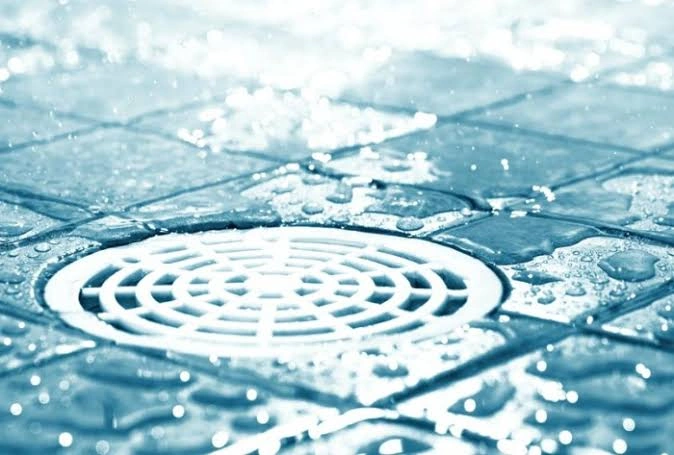
Yes, certain Drano clog-remover products are designed for shower and bathtub drains. The company states that its clog removers can help break down hair, soap scum, and other buildup. However, its products do not all have the same purpose or instructions.
For example, Drano Max Gel is listed for clogged drains and can work through standing water. Other products have different uses and may not be suitable for showers. Always check the exact bottle before pouring anything into your drain.
The drain’s condition also matters. A sound, properly installed pipe may handle a product used according to its label. An old, damaged, or leaking drain needs more care. Chemical cleaners may also create risks if they remain trapped behind a blockage.
Before using a drain cleaner, check these points:
- Confirm that the product label lists shower or bathtub drains.
- Read the full directions and safety warnings.
- Check whether the product is suitable for your pipe material.
- Do not use it if another chemical cleaner is already in the drain.
- Keep children and pets away from the bathroom during use.
If you are unsure about the product or your plumbing, use a mechanical cleaning method or ask a plumber for help.
How Does Drano Work in a Shower Drain?
Drano products use different ingredients to break down material inside clogged pipes. Depending on the formula, these ingredients may target hair, soap scum, grease, and other organic buildup.
A shower drain often collects hair near the drain cover or stopper. Soap and shampoo residue stick to that hair. Over time, the buildup forms a thick mass that slows water flow.
Some Drano formulas use strong chemical ingredients to break down this material. Others use a different approach to help manage buildup over time. This is why you should never assume every bottle works the same way.
A drain cleaner may help when the clog is made from material the product can break down. It may not work well when the blockage contains a solid object, a large mass of hair, or debris lodged deep inside the pipe.
Chemical cleaners also cannot repair broken pipes, loose fittings, or problems with the main drain line. If the same clog keeps returning, the cause may need a closer inspection.
What Causes Shower Drain Clogs?
Understanding the blockage helps you choose the right cleaning method. Most shower clogs develop slowly as waste collects inside the drain.
Hair Buildup
Hair is one of the most common causes of shower drain clogs. Loose strands pass through the drain cover and collect around the stopper or pipe opening. More hair sticks to the first layer, creating a larger blockage.
Long hair can form a tight mass that catches soap and dirt. A drain tool may remove this type of clog more effectively than a chemical cleaner.
Soap Scum and Shampoo Residue
Soap, shampoo, conditioner, and body wash leave residue behind. This material can stick to pipe walls and trap hair. The buildup may become thicker when it combines with minerals from hard water.
Dirt and Skin Products
Dirt, dead skin, shaving products, and bath oils can also enter the drain. These materials may stick to existing buildup and make the opening narrower.
Mineral Deposits
Hard water contains minerals that can leave deposits inside plumbing fixtures and pipes. These deposits may reduce the space available for water to pass. A chemical drain opener may not remove heavy mineral buildup.
Foreign Objects
Small items such as bottle caps, plastic pieces, and loose parts can fall into a shower drain. Chemical cleaners cannot dissolve these objects. A plumber may need to remove them with a suitable tool.
If you keep asking, Why is my shower drain clogged?, check the drain cover and stopper first. A visible hair mass near the opening may explain the problem. If several drains are slow, the blockage may be farther down the plumbing system.
Can Drano Damage Shower Pipes?
Drano states that its products can be used with plastic and metal pipes when users follow the product directions. Still, that does not mean every drain cleaner is suitable for every plumbing problem.
The pipe material, product formula, amount used, and condition of the plumbing all matter. Using more product than the label allows can increase the risk of damage or create a difficult situation if the drain remains blocked.
Is Drano Safe for Shower Pipes Made of PVC?
Many homes use PVC or other plastic pipes for parts of their drain systems. Drano says its products are safe for plastic pipes when used as directed. Check the exact product label before use.
A damaged or poorly fitted pipe is a different matter. A chemical cleaner cannot fix a crack, loose joint, or leak. If you notice water stains, damp areas, or a sewer smell, arrange a plumbing inspection.
What About Metal Pipes?
Some older homes have metal drain pipes. Their condition can vary based on age, corrosion, and past repairs. A product may be approved for metal pipes, but that does not make repeated chemical use a good way to maintain old plumbing.
If your pipes are rusty, leaking, or badly worn, avoid guessing. Have a plumber inspect them before using a strong drain cleaner.
When Should You Avoid Using Drano in a Shower Drain?
There are situations where a chemical cleaner is not the right choice. Avoid using Drano when:
- You already used another drain cleaner: Mixing products can cause dangerous reactions or fumes.
- The drain contains an unknown chemical: Do not add another product when you do not know what is already present.
- A solid object caused the blockage: Chemical cleaners will not remove plastic, metal, or other solid items.
- The pipe is damaged or leaking: Fix the plumbing issue instead of pouring chemicals into it.
- The drain keeps clogging: Repeated blockages may point to a deeper problem.
- You cannot follow the label instructions: Do not use a product if you cannot meet its safety requirements.
Chemical drain cleaners can cause serious skin and eye burns. Keep your face away from the drain while using them. Wear the protective gear listed on the label and keep the bathroom well ventilated.
How to Use Drano Safely in a Shower Drain
If the product label confirms that it is suitable for your shower drain, follow its directions exactly. Do not use a general online dose or timing guide for a different formula.
- Read the product label. Check the approved uses, amount, waiting time, and flushing instructions.
- Clear the work area. Move children, pets, bath items, and personal products away from the drain.
- Wear the required protection. Use the gloves and eye protection stated on the label.
- Ventilate the bathroom. Open a window or run the exhaust fan if possible.
- Apply the product as directed. Pour carefully and avoid splashes. Never use more than the stated amount.
- Wait for the stated time. Do not leave the product longer than the label allows.
- Flush as directed. Follow the exact water temperature and flushing steps on the bottle.
Never mix Drano with bleach, vinegar, ammonia, toilet cleaner, or another drain opener. Do not use a plunger during or after treatment unless the product label clearly permits it. Chemical liquid may remain in the pipe and splash back.
What Are the Best Alternatives to Drano for Shower Drains?
If you prefer not to use a chemical cleaner, several methods can help with common shower clogs. These options are often useful when hair is the main cause.
Remove Visible Hair
Take off the drain cover if it is designed to be removed. Use gloves or a suitable tool to pull out visible hair and debris. Do not push the blockage deeper into the pipe.
Use a Drain Hair Removal Tool
A plastic drain snake or hair removal tool can reach clogs near the drain opening. Follow the tool instructions and pull debris out slowly. Avoid forcing it through a pipe if you meet strong resistance.
Clean the Drain Stopper
Some shower stoppers collect hair underneath or around their moving parts. Remove the stopper only if the design allows it. Clean the parts and put them back correctly.
Try a Plunger Before Using Chemicals
A plunger may help move a simple blockage near the drain. Use it only when no chemical cleaner is present. If you have already poured Drano into the drain, do not plunge because the chemical may splash onto your skin or face.
Call a Plumber for Deep Clogs
A plumber can use tools such as a drain snake or other suitable equipment to reach deeper blockages. This is a better choice when home methods fail or the clog keeps returning.
What Should You Do If Drano Does Not Unclog Your Shower Drain?
Do not keep pouring more product into the drain. A failed treatment may mean the blockage is too large, contains material the product cannot dissolve, or sits beyond the product’s reach.
Check the label before taking any further action. Do not add another cleaner, use a plunger, or put a drain tool into the pipe while chemical products may remain inside.
If the drain still holds water, contact a plumber and explain which product you used. Tell them how much you added and when you used it. This information helps them choose a safer way to handle the blockage.
If the product splashes onto skin or eyes, follow the bottle’s first-aid instructions. Poison Control also advises careful handling of corrosive drain cleaners.
How to Prevent Shower Drain Clogs
A few simple habits can reduce hair and soap buildup. Regular care also helps you spot problems before water stops draining.
- Install a drain hair catcher: Choose a cover that fits your shower drain and catches loose hair.
- Remove hair after showers: Clear the catcher often instead of letting hair collect.
- Clean the stopper: Check for trapped hair and soap residue every few weeks.
- Rinse away product residue: Keep the drain area clean and remove visible buildup.
- Avoid washing large debris down the drain: Keep small objects, wipes, and other waste out of the shower.
- Watch the water flow: A slow drain can be easier to clear before the blockage gets worse.
If your shower drain slows down often, do not rely on chemical cleaners as routine maintenance. Find out why the buildup keeps forming.
When Should You Call a Professional Plumber?
Some shower clogs need more than a household cleaning product. Reach out a plumber if the drain remains blocked after safe cleaning, clogs return often, or water backs up into the shower.
You should also seek help when several drains in your home run slowly. This may point to a blockage in a shared drain line rather than one shower pipe.
Other warning signs include gurgling sounds, sewage odors, leaks, and water backing up in nearby fixtures. These problems need a proper check before they cause more damage.
If you need help with a stubborn or recurring blockage, contact Derks Plumbing for professional Drain Cleaning in Eagle Rock. A plumber can inspect the drain, find the cause, and choose a suitable cleaning method.

Conclusion
So, is Drano safe for shower drains? Certain Drano clog removers are made for shower drains and can be used when their labels allow it. The key is choosing the right formula and following every safety instruction.
For hair clogs near the drain opening, a hair catcher or drain removal tool may be enough. Avoid mixing chemicals, adding extra product, or using a plunger after chemical treatment. If the clog keeps returning, have the plumbing checked.
For stubborn shower drain problems in Eagle Rock, contact Derks Plumbing for help with drain cleaning and other plumbing needs.
Frequently Asked Questions
Can I use Drano in a shower drain with standing water?
Some Drano products, such as Max Gel, are designed to pass through standing water. Check the exact product label before using it. Do not assume every formula works the same way.
How long should Drano sit in a shower drain?
The waiting time depends on the product. Follow the directions printed on your bottle. Do not leave the cleaner in the pipe longer than instructed.
Can Drano dissolve hair in a shower drain?
Some Drano clog removers are made to break down hair and soap buildup. They may not clear every blockage, especially when hair forms a large, tightly packed mass.
Is Drano safe for PVC shower drains?
Drano states that its products can be used with plastic pipes when users follow the label. Check the product instructions and avoid chemical cleaners if the pipe is damaged or leaking.
Can I use Drano more than once?
Follow the repeat-use instructions on the product label. If the drain remains blocked after the allowed treatment, stop and contact a plumber. Do not keep adding more cleaner.
What should I use instead of Drano for a shower drain?
A hair removal tool, drain snake, or clean drain stopper may help with common hair clogs. If the blockage is deep or keeps returning, ask a plumber to inspect it.


