A slab leak is repaired by finding the damaged pipe, stopping the water, and fixing or replacing the affected section. The right method depends on the pipe location, damage, and plumbing layout.
How to Repair Slab Leak starts with accurate leak detection. A plumber may use pressure testing, acoustic tools, thermal imaging, or other methods before opening the concrete. Some leaks need a small access opening, while others can be fixed by rerouting the pipe or using a suitable trenchless method. Acting early helps limit water damage and avoids unnecessary concrete removal.
What Is a Slab Leak?
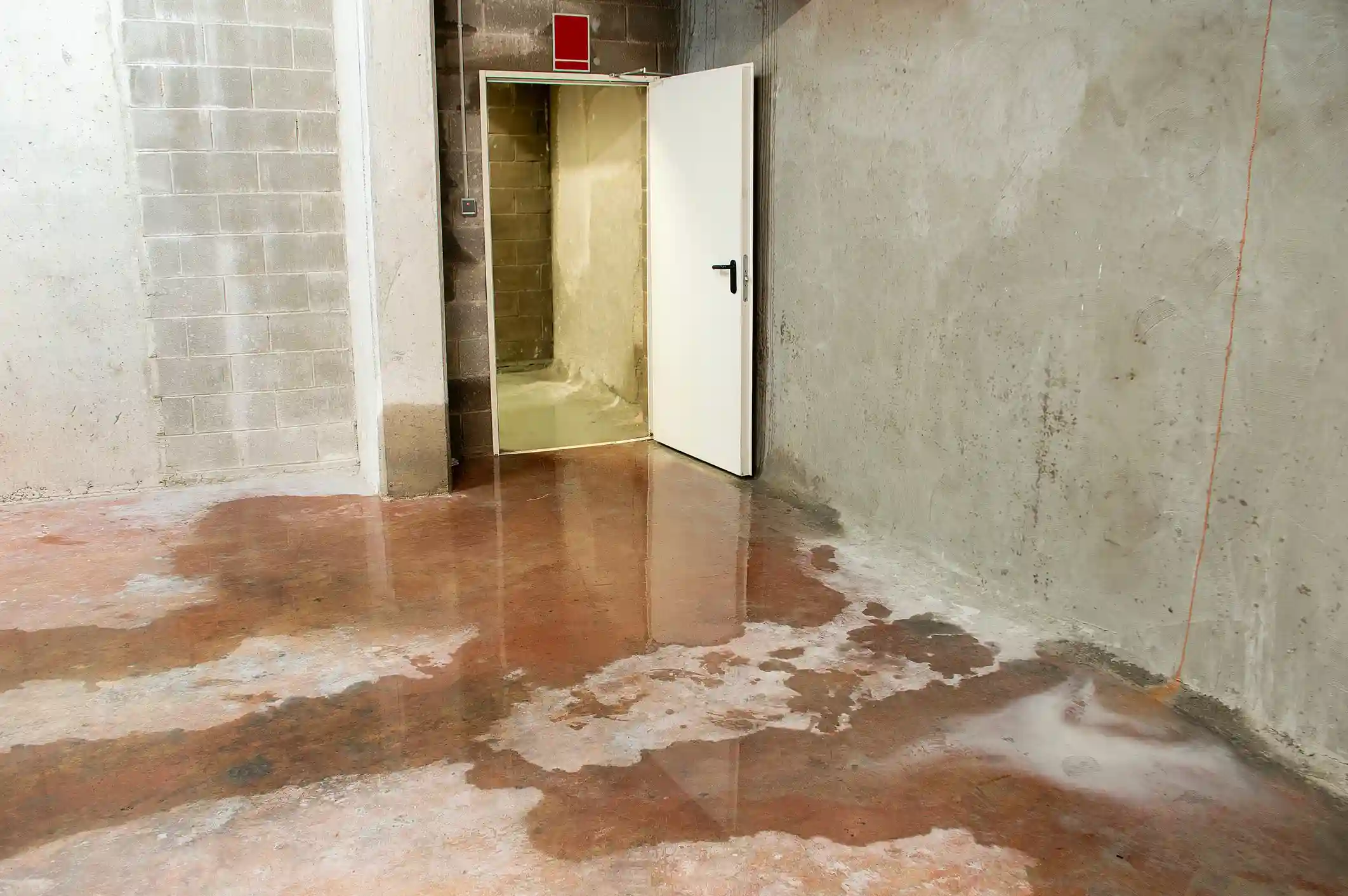
A slab leak is a water leak in a pipe located beneath or inside a concrete foundation slab. Many homes have water supply lines running below the floor. If one of these lines cracks, corrodes, or develops a failed connection, water can escape under the home.
Slab leaks can affect hot or cold water lines. Hot water leaks may create warm spots on the floor. Cold water leaks can be harder to notice because they may not change the floor temperature.
The water does not always come straight to the surface. It can move through soil beneath the slab before becoming visible somewhere else.
This makes slab leaks different from an exposed pipe leak. You may see the damage far from the actual break.
Common Signs of a Slab Leak
Watch for these warning signs:
- A sudden increase in your water bill
- A water meter that moves when water is not being used
- Warm spots on the floor
- Damp flooring or unexplained moisture
- The sound of running water
- Low water pressure
- Cracks in flooring or walls
- Mold or mildew near the floor
- Water collecting around the foundation
- Repeated plumbing problems in the same area
The EPA recommends checking water use and the water meter when looking for hidden leaks. A meter that changes during a period when no water is being used can point to a leak.
How Is a Slab Leak Diagnosed?
Before repairing a slab leak, the exact location should be confirmed.
Breaking concrete based on a guess can create unnecessary damage. A professional plumber first tries to narrow down the leak location.
Pressure Testing
Pressure testing checks whether the plumbing system can hold water pressure.
If pressure drops when fixtures are closed, there may be a leak somewhere in the system. Further testing helps narrow down the location.
Acoustic Leak Detection
Water escaping from a pressurized pipe can create sound. Professional listening equipment can help detect that sound beneath concrete.
This can reduce the need for random concrete removal.
Thermal Imaging
A thermal camera can sometimes identify temperature changes caused by a hot water leak. This can be useful when a hot water line is suspected beneath flooring.
Thermal imaging does not replace other tests. It works best as part of a complete leak detection process.
Water Meter Testing
Homeowners can also watch the water meter.
Turn off faucets, washing machines, toilets, and other water-using fixtures. Check the meter, wait for a set period, and check it again.
If the reading changes while no water is being used, further investigation may be needed.
How to Repair Slab Leak
To Repair Slab Leak depends on what the plumber finds during leak detection.
There is no single repair method for every home. A small damaged section may need a spot repair. A badly deteriorated line may need replacement or rerouting.
The basic repair process usually includes:
- Confirm the leak location.
- Shut off the water supply.
- Determine the damaged pipe section.
- Choose the least disruptive suitable repair method.
- Access the pipe if needed.
- Repair, replace, or reroute the damaged line.
- Test the plumbing system.
- Restore the concrete and flooring as needed.
The goal is not just to stop visible water. The repair should address the failed pipe and reduce the chance of another leak.
You can read about: How Much Does It Cost to Repair a Slab Leak
What Are the Main Slab Leak Repair Methods?
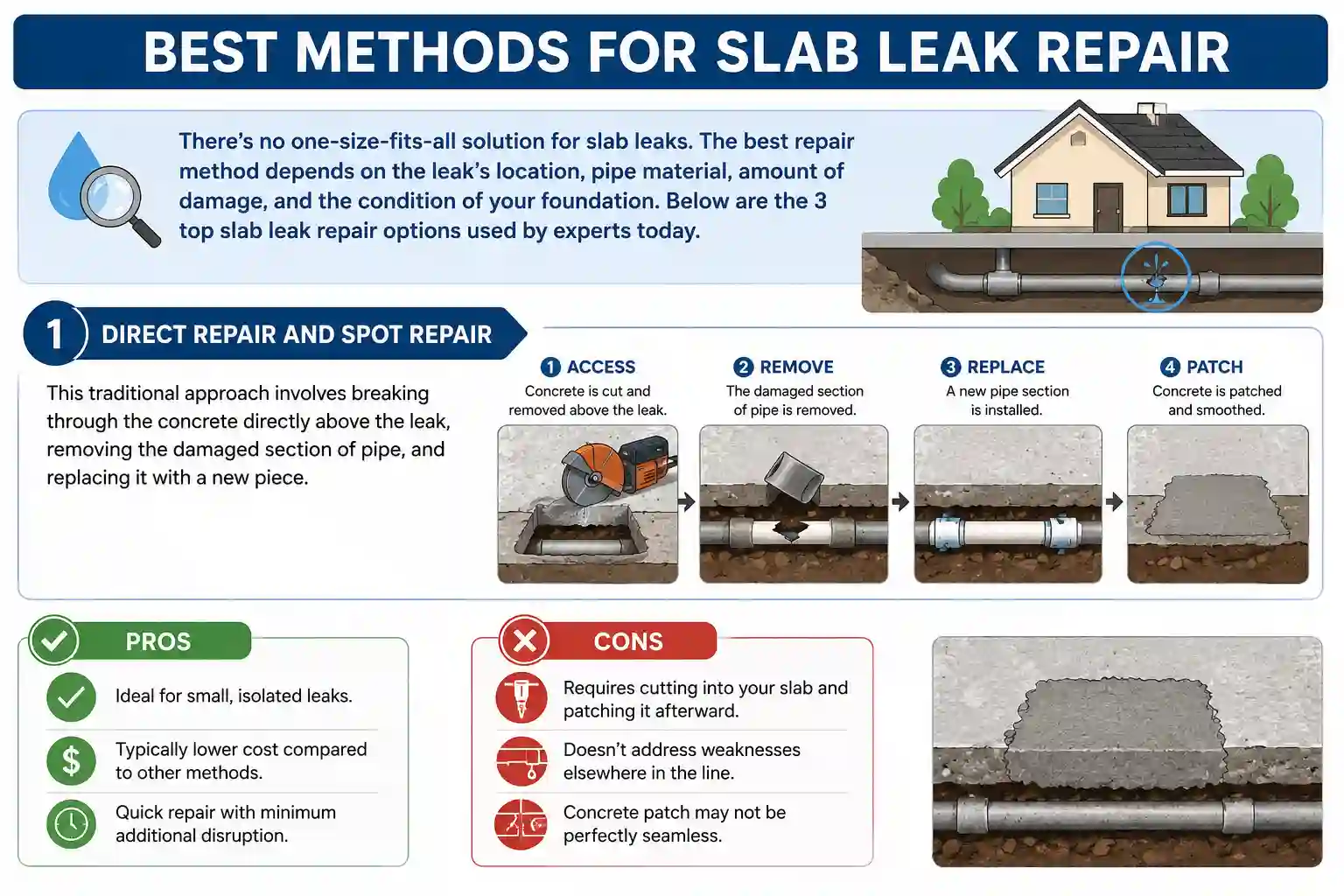
The best slab leak repair method depends on the pipe material, location, age, and overall condition.
Spot Pipe Repair
A spot repair focuses on the damaged section.
The plumber opens a small area of concrete to reach the pipe. The failed section is removed and replaced with an approved connection.
This can be a good option when one section has failed and the rest of the plumbing is in good condition.
Pipe Replacement
If the pipe has extensive corrosion, several damaged sections, or repeated leaks, replacing more of the line may make sense.
Replacing the affected line can provide a better long-term solution than repeatedly repairing the same aging pipe.
Pipe Rerouting
Rerouting moves the water line away from the slab.
Instead of repairing a difficult pipe beneath the concrete, a plumber may install a new route through an accessible part of the home.
The new route depends on the home’s design. It may run through walls, ceilings, an attic, or another suitable area.
Rerouting can reduce concrete removal and may make future repairs easier.
Can Epoxy Pipe Lining Fix a Slab Leak?
Epoxy pipe lining can repair some damaged pipes, but it is not suitable for every slab leak.
The process uses a lining material inside an existing pipe. The pipe must be in suitable condition for the lining system.
Before choosing this method, a plumber may need to consider:
- Pipe material
- Pipe size
- Internal condition
- Number of leaks
- Pipe access
- Existing corrosion
- Water pressure
- The lining manufacturer’s requirements
A severely damaged or collapsed pipe may not be a good candidate.
Homeowners should also understand that pipe lining is not simply a coating that can be used on every leaking pipe. Proper inspection and preparation matter.
Can a Slab Leak Be Repaired Without Breaking the Concrete?
Yes, some slab leaks repair methods can reduce or avoid major concrete removal.
Pipe rerouting is one common option. Instead of reaching the damaged pipe beneath the slab, a new water line can be installed through another accessible route.
Some specialized pipe repair systems may also work without traditional excavation. Their use depends on the existing pipe and the type of damage.
However, “no concrete removal” should not be treated as a guarantee.
If the damaged pipe must be physically accessed, some concrete may still need to be removed. The important goal is to use the least disruptive method that provides a dependable repair.
How Do You Fix a Slab Leak Without Making the Problem Worse?
When homeowners discover water near a slab, the first instinct may be to break open the floor.
That can create more problems.
Before opening concrete:
- Shut off the water if the leak is active.
- Move items away from wet areas.
- Avoid using electrical equipment near standing water.
- Check whether the water is coming from another plumbing fixture.
- Have the suspected leak professionally located.
A visible wet spot does not always show the actual pipe location.
Water can travel below flooring before appearing at the surface. This is one reason accurate leak detection is important.
What Happens If You Ignore a Slab Leak?
An untreated slab leak can waste water and damage parts of the home.
Water may remain below the floor for a long time. Continued moisture can affect flooring, walls, insulation, and other building materials.
The EPA notes that plumbing leaks can contribute to moisture problems around foundations and that moisture issues can be difficult and expensive to identify and fix.
Ignoring the problem can also increase your water bill.
Other possible consequences include:
- Flooring damage
- Mold growth
- Wet soil below the slab
- Damaged baseboards
- Wall or floor damage
- Reduced water pressure
- Structural moisture concerns
- More expensive restoration work
A small leak does not always remain small. The sooner the source is identified, the more repair options may be available.
How Can You Prevent Future Slab Leaks?
No prevention plan can guarantee that a pipe will never fail. However, regular plumbing care can help you catch problems earlier.
Monitor Your Water Usage
Compare your current water bill with previous months. A sudden unexplained increase can be a warning sign.
Check Your Water Meter
If everything is turned off and the meter still shows water use, investigate the cause.
Watch for Pressure Problems
Unusual water pressure can place extra stress on plumbing components. Have persistent pressure problems checked by a plumber.
Inspect Older Plumbing
Older pipes may be more likely to develop corrosion, cracks, or repeated failures.
If your home has already experienced several leaks, ask whether repairing one section is enough.
Consider Leak Detection Devices
Modern leak detection and flow monitoring devices can alert homeowners to unusual water use or moisture. The EPA notes that these systems can help identify leaks and reduce water waste and damage.
How to Fix Slab Leak Problems in Older Homes
Older homes can present a different challenge because the plumbing system may have years of wear.
A single repair may solve one leak but not the condition of the entire line.
For example, imagine a home with an old water line that has already developed three leaks. Repairing only the newest break may provide a short-term solution. Replacing or rerouting the affected line may make more sense.
The decision should come from the pipe’s condition, repair history, accessibility, and expected service life.
This is where professional inspection adds real value.
When Should You Call a Professional Plumber?
Call a professional when you suspect a leak beneath the slab.
You should not assume that a wet floor automatically means a slab leak. Other sources can create similar symptoms.
A plumber can determine whether the water is coming from:
- A supply pipe
- A drain line
- A water heater
- A fixture
- An appliance
- Groundwater
- Another plumbing connection
Professional testing can prevent unnecessary concrete removal and help identify the actual source.
You should also call promptly if the water leak is active, the water bill suddenly rises, or the water meter moves without normal household use.
Professional Slab Leak Repair in Eagle Rock
Homeowners looking for Slab Leak Repair in Eagle Rock need more than a quick patch.
The first step should be finding the actual source of the leak. After that, the plumber can explain whether a spot repair, pipe replacement, rerouting, or another method is appropriate.
Derks Plumbing can help homeowners evaluate suspected slab leaks and choose a repair approach based on the condition of the plumbing.
If your home also needs other plumbing work, ask about Eagle Rock Water Heater Installation and related water line services. Addressing connected plumbing issues during the same inspection can help prevent future surprises.
Conclusion
How to Repair Slab Leak depends on accurate diagnosis, pipe condition, and the location of the failure. A small leak may need a spot repair, while older or heavily damaged plumbing may require replacement or rerouting.
Do not ignore rising water bills, warm floors, unexplained moisture, low pressure, or a moving water meter. Early leak detection can limit damage and give you more repair choices.
If you suspect a slab leak, contact Derks Plumbing for professional inspection and repair guidance. The right repair should stop the leak, protect your home, and address the actual plumbing problem.

Frequently Asked Questions
Can I repair a slab leak myself?
A slab leak is usually not a good DIY plumbing project. Finding the hidden pipe requires specialized testing, and breaking concrete without knowing the leak location can cause more damage.
Does every slab leak require breaking concrete?
No. Some leaks can be repaired through pipe rerouting or suitable trenchless methods. However, the best option depends on the pipe and the location of the damage.
What is the most common way to fix a slab leak?
There is no single best method. A small isolated leak may need a spot repair, while repeated pipe failures may call for replacement or rerouting.
Can a slab leak cause low water pressure?
Yes. A significant leak in a pressurized water line can reduce available water pressure. Other plumbing problems can cause low pressure too, so proper testing is needed.
How do I know if I have a slab leak?
Look for unexplained water use, rising water bills, warm or damp floors, running-water sounds, low pressure, or a water meter that moves when all fixtures are off. These signs do not prove a slab leak, but they justify further testing.




