A toilet tank needs the right amount of water to flush waste well. Too little water can cause weak flushes, while too much can waste water. The good news is that most toilet tanks have a simple float adjustment. You can often fix the problem with a screwdriver or a small turn of an adjustment screw.
Before you start, check the water level mark inside your tank. Also, look for leaks or worn parts that may affect the fill level.Learning How to Adjust Water Level in Toilet Tank can help you improve flushing and reduce water waste. This guide explains each step in simple terms.
What Is the Correct Water Level in a Toilet Tank?
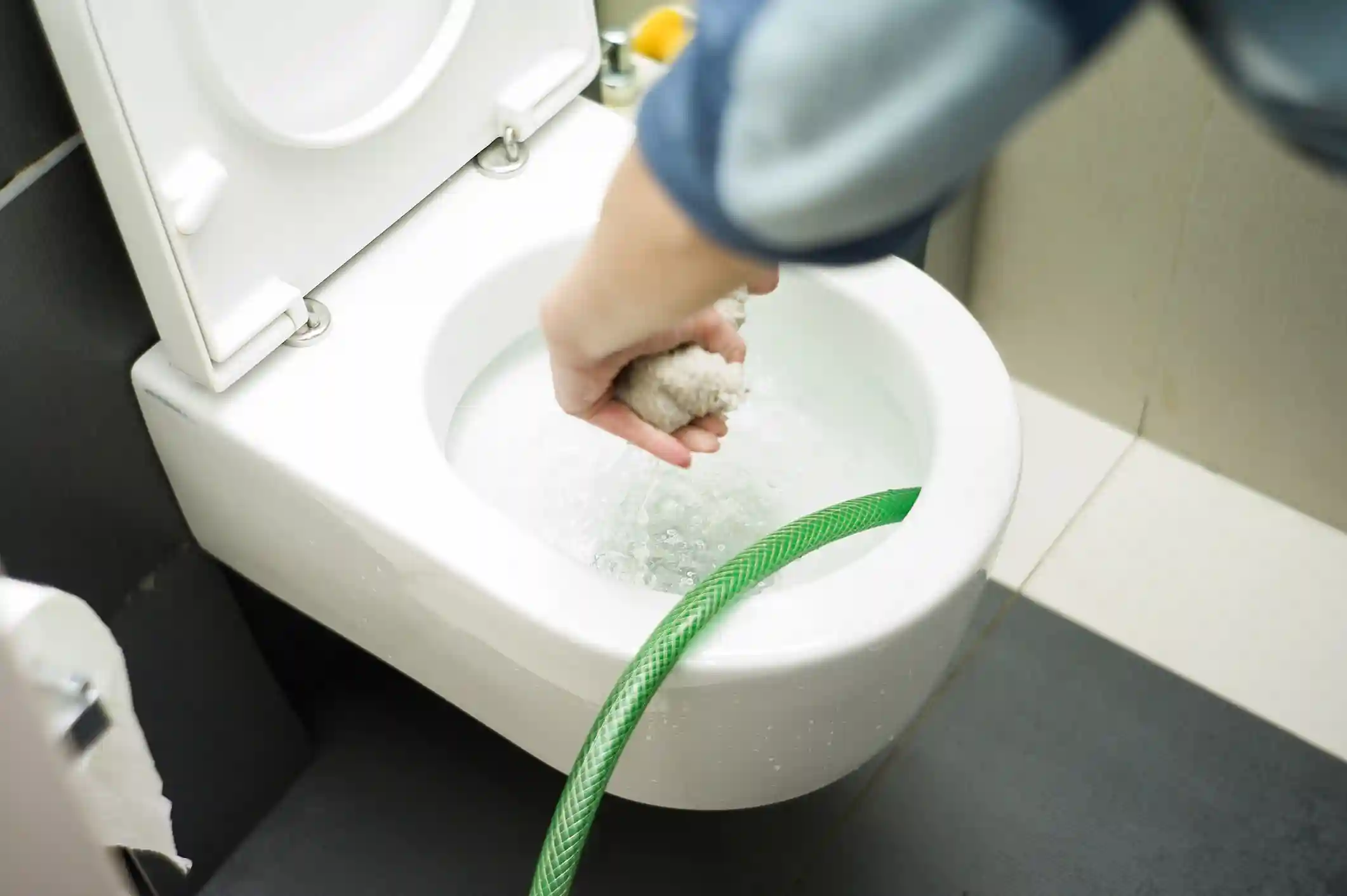
The correct water level depends on your toilet model and its fill valve. Most toilet tanks work best when the water sits about one inch below the top of the overflow tube. Some tanks have a marked fill line that shows the right level.
The overflow tube is the open vertical tube inside the tank. It carries extra water into the bowl if the tank fills too high. Keeping the water below its top helps prevent constant water flow into the bowl.
Check these points before adjusting the level:
- Look for a fill line: Follow the mark printed or molded inside the tank.
- Check the overflow tube: Keep the water below its opening.
- Read the maker’s guide: Some toilets need a different water level.
- Test the flush: The tank should refill and provide a strong flush.
Do not set the level too high just to get a stronger flush. If flushing stays weak, the cause may be a blocked rim hole, a faulty flapper, or a problem with the toilet’s design.
Why Is the Water Level in Your Toilet Tank Too High or Too Low?
A wrong water level often points to a float setting or a worn part. Finding the cause first helps you avoid making the problem worse.
Common Causes of a High Water Level
- Float set too high: The fill valve keeps adding water beyond the proper level.
- Faulty fill valve: A damaged valve may fail to shut off the water.
- Float stuck in place: The float may rub against the tank wall or another part.
- Water pressure or valve issues: Certain fill valve problems can affect how the tank refills.
If water keeps entering the overflow tube, the tank may waste water even when the toilet is not in use.
Common Causes of a Low Water Level
- Float set too low: The fill valve shuts off before enough water enters the tank.
- Partly closed shutoff valve: The tank may fill slowly or stop before reaching its proper level.
- Clogged or damaged fill valve: Dirt or worn parts can limit water flow.
- Leaking flapper: Water escapes into the bowl, causing repeated refills.
- Wrong refill tube position: A loose or misplaced tube may send refill water into the wrong place.
A low tank level can lead to weak flushing. A high level can waste water. Both problems deserve a quick check.
Tools Needed to Adjust Toilet Tank Water Level
Most basic adjustments need only a few household tools. Gather these items before opening the tank.
- Flathead or Phillips screwdriver: Some fill valves use an adjustment screw.
- Small adjustable wrench: Use one if a valve part needs careful tightening.
- Sponge or cloth: Wipe up splashes and small spills.
- Small bucket: Catch water if you need to remove any.
- Rubber gloves: Keep your hands clean while working inside the tank.
- Owner’s manual: Check the valve design and the maker’s instructions.
Many newer fill valves use a hand-adjusted clip or threaded rod. These designs may not need tools. Avoid using force on plastic parts because they can crack.
How to Adjust Water Level in Toilet Tank Step by Step
Follow these steps for a safe and simple adjustment. Your fill valve may look different, so check its instructions before moving any parts.
Step 1: Remove the Tank Lid
Lift the lid with both hands and place it on a flat, safe surface. Porcelain lids can break if dropped or placed on a hard edge.
Step 2: Find the Fill Valve and Float
The fill valve usually stands on one side of the tank. Look for a float attached to it. The float may be a ball on a metal arm or a cup that slides along the valve body.
Step 3: Check the Current Water Level
Flush the toilet and let the tank refill fully. Watch where the water stops. Compare the level with the fill line or the top of the overflow tube.
Step 4: Turn Off the Water if Needed
For many small adjustments, you can work with the water on if the valve design allows it. However, turning off the shutoff valve is safer when handling parts or checking a fault. Turn it clockwise, then flush to empty the tank if needed.
Never force a stuck shutoff valve. It may leak or break.
Step 5: Adjust the Float
Use the screw, clip, or rod provided by the valve maker. Raise the float setting to allow more water into the tank. Lower it to stop the fill sooner.
Make small changes. A quarter-turn or a small clip movement may be enough. Do not force the mechanism.
Step 6: Restore the Water Supply
Open the shutoff valve slowly if you turned it off. Let the tank fill while watching the float and fill valve.
Step 7: Check the Final Level
The valve should stop filling before water reaches the top of the overflow tube. Follow the tank’s fill mark when one is present.
Step 8: Test the Flush
Flush two or three times. Check that the bowl clears well and the tank refills to the same level each time. Listen for water that continues running after the tank fills.
How to Raise Water Level in Toilet Tank
If the tank holds too little water, raise the float setting in small steps. The method depends on the type of fill valve.
For a float cup, turn the adjustment screw or move the clip in the direction marked for a higher level. Some valves use a threaded rod that you turn to change the float height. For a ball float, gently adjust the arm according to the valve maker’s instructions.
After each change, let the tank fill completely. Check the new level before making another adjustment.
Stop when the water reaches the fill line or the level recommended for your model. Do not raise it above the overflow tube.
If the water level stays low even after adjustment, check the shutoff valve and fill valve. A worn valve may need cleaning or replacement.
How to Lower Water Level in Toilet Tank
A tank that fills too high may send water into the overflow tube. Lowering the float setting can help stop this waste.
Start by checking the fill valve instructions. Turn its adjustment screw or move its clip to reduce the fill height. On some ball-float models, the float arm needs a careful adjustment. Do not bend a plastic arm unless the maker says it is designed for that purpose.
Flush the toilet and watch the tank refill. The fill valve should shut off at the correct level. If water still enters the overflow tube, the valve may be worn or stuck.
A float adjustment will not fix every running toilet. A leaking flapper can also cause repeated refills, even when the tank level is set correctly.
How to Adjust Different Types of Toilet Float Valves
Knowing your valve type makes toilet float adjustment easier. Check the shape of the float before changing anything.
Float Cup Valve
A float cup slides up and down around the fill valve. Many models have a screw or clip near the top. Turn the screw or move the clip as directed to raise or lower the shutoff point.
Ball Float Valve
A ball float sits at the end of a long arm. Older models may use a screw to adjust the arm. Some have a metal arm that the maker permits you to bend gently. Follow the instructions for your model rather than forcing the arm.
Floatless or Pressure-Activated Valve
Some fill valves use a pressure-based mechanism instead of a visible float. They may have a marked adjustment dial or screw. Follow the maker’s guide because these valves do not all work the same way.
Dual-Flush Toilet Valve
A dual-flush toilet may have separate controls for a full flush and a reduced flush. The tank’s fill level and the flush volume are not always controlled by the same part. Check the manual before changing settings.
How to Adjust a Toilet Float Water Level to Stop Running
If your toilet keeps running, check whether water is flowing into the overflow tube. If it is, lower the float setting and test the tank again.
If the valve stops filling but the toilet still runs, check the flapper at the bottom of the tank. A worn or poorly seated flapper lets water leak into the bowl. You can test this by adding a few drops of food coloring to the tank. Wait about 10 to 15 minutes without flushing. If color appears in the bowl, water is leaking past the flapper or another seal.
Also check the refill tube. It should direct water into the overflow tube through the proper clip, without being pushed too far down inside it. A badly placed tube can cause siphoning in some setups.
These checks help you decide whether to adjust the float, replace a worn part, or call a plumber.
What to Do If Adjusting the Water Level Does Not Work
If the water level does not change, stop turning the adjustment screw. The problem may involve another part.
Try these checks:
- Check the shutoff valve: Make sure it is open enough to supply water.
- Inspect the float: It should move freely without touching the tank wall.
- Check the fill valve: Look for dirt, damage, or signs of wear.
- Inspect the flapper: Replace it if it is cracked, stiff, or no longer seals well.
- Check the refill tube: Make sure it is secure and correctly placed.
- Look for leaks: Check around the tank bolts, supply line, and base of the toilet.
If the fill valve is faulty, replacement may be more effective than adjustment. Choose a valve that fits your toilet and follow its installation guide. Turn off the water before removing the old valve, and check for leaks after fitting the new one.
When to Call a Professional Plumber
A simple float adjustment is often a suitable home repair. Call a licensed plumber if the shutoff valve will not close, parts are cracked, water leaks from the tank, or the toilet keeps running after basic checks.
Professional help is also useful if the tank has unusual parts or you cannot identify the source of the problem. A plumber can check the fill valve, flapper, supply line, and other parts without risking damage to the toilet.
If you need help with a larger toilet repair or a new fixture, Derks Plumbing can be your next point of contact. Homeowners planning a bathroom update can also explore the service page for Toilet Installation in Eagle Rock to learn about professional installation options.
Do not ignore a steady leak. A toilet can waste a surprising amount of water when its tank keeps refilling throughout the day.

Conclusion
Correcting the tank water level can improve flushing and help reduce wasted water. Start by finding the fill line, checking the float, and identifying your valve type. Make small adjustments, then flush the toilet and watch the tank refill.
If the water level does not respond, check for a faulty fill valve, a leaking flapper, or a blocked supply. Replace worn parts when needed, and call a plumber if the repair is beyond your comfort level. A properly set tank should fill to the right level and stop without sending water into the overflow tube.
Frequently Asked Questions
How high should the water be in a toilet tank?
The water should reach the tank’s marked fill line, if one is present. If there is no mark, many toilets need the water about one inch below the top of the overflow tube. Always check your model’s instructions.
How do I adjust toilet float height without tools?
Some fill valves have a hand-operated clip or dial. Move it in the direction shown by the maker. If your valve uses a screw, use the correct screwdriver instead of forcing it by hand.
Can too much water in the tank cause a running toilet?
Yes. If the level rises into the overflow tube, water can flow into the bowl continuously. Lowering the float may fix the issue. If the toilet still runs, inspect the fill valve and flapper.
Why is my toilet tank not filling to the right level?
The float may be set too low, the shutoff valve may be partly closed, or the fill valve may be clogged or worn. A leaking flapper can also cause the tank to refill often.
How often should I check my toilet tank water level?
Check it when you notice weak flushing, repeated refilling, or running water. It is also useful to inspect the tank during routine home maintenance. There is no need to adjust it if the level is correct and the toilet works well.
Will raising the tank water level make the flush stronger?
It may help if the tank was set too low. However, raising the level above the recommended mark can waste water and may not improve performance. Check for clogs or worn flush parts if the flush remains weak.
Should I replace the fill valve or adjust it?
Try a small adjustment if the float moves freely and the valve shuts off normally. Replace the valve if it will not stop filling, has visible damage, or does not respond to its adjustment setting.
Is adjusting a toilet float safe for beginners?
Yes, most basic adjustments are simple when you follow the valve instructions. Handle the tank lid carefully, avoid forcing plastic parts, and turn off the water before removing components. Call a plumber if you find a leak or a damaged shutoff valve.


