A garbage disposal costs about $100 to $400 for the unit alone. Most homeowners spend $250 to $700 for a new disposal with professional installation. The final price depends on motor power, unit type, brand, and plumbing needs. Replacing an old unit often costs less than installing one for the first time.
If you are asking, How Much is a Garbage Disposal, this guide breaks down the costs in simple terms. You will learn what affects the price, when to repair or replace your unit, and how to avoid extra charges. These details can help you plan your budget and choose the right disposal for your kitchen.
How Much Is a Garbage Disposal?
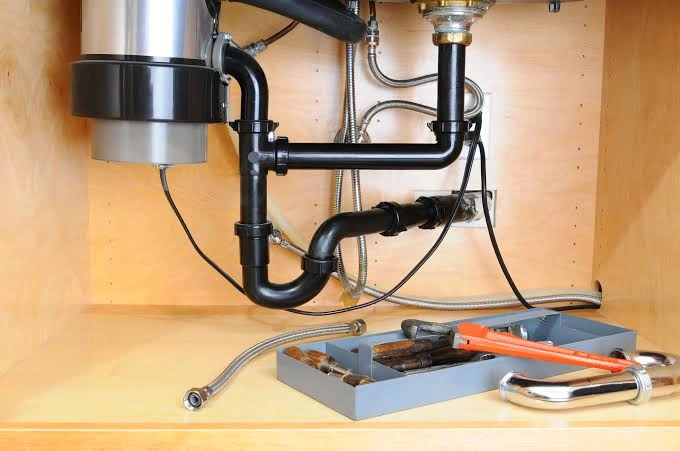
A garbage disposal typically costs $100 to $400 for the unit. Professional installation can bring the total to $250 to $700. High-end models or complex plumbing work can push the price above $1,000.
Your final cost depends on the disposal’s horsepower, noise level, grinding system, and brand. Labor rates also vary by location. A simple replacement usually costs less because the sink, drain, and power supply are already in place.
Here is a quick look at common costs:
| Service or item | Typical cost |
| Basic garbage disposal unit | 100–200 |
| Mid-range disposal unit | 200–300 |
| Premium disposal unit | 300–500+ |
| Professional installation | 150–300 |
| Complete replacement | 250–700 |
| Minor repair | 75–200 |
| Complex plumbing or electrical work | 200–500+ |
These are general US price ranges, not fixed quotes. Local labor rates, parts, taxes, and the condition of your sink setup can change the total.
Average Garbage Disposal Cost
The average garbage disposal cost includes the price of the unit and the work needed to install it. A basic model may suit a small household, while a busy kitchen may need a stronger motor.
For example, a homeowner might pay $150 for a basic disposal and $200 for installation. The total would be $350 before taxes or extra parts.
A more advanced unit might cost $350, with another $250 for labor. That brings the total to $600.
Ask your plumber for an itemized quote. It should list the unit, labor, mounting parts, wiring work, and any extra plumbing charges. This makes it easier to compare estimates.
Garbage Disposal Cost by Horsepower
Motor power affects grinding strength, price, and the types of food waste a unit can handle. Common options include 1/3, 1/2, 3/4, and 1 horsepower.
| Horsepower | Unit cost | Best for |
| 1/3 HP | 60–120 | Light use and small households |
| 1/2 HP | 80–180 | Small to medium households |
| 3/4 HP | 120–250 | Regular family use |
| 1 HP | 180–400+ | Heavy use and larger households |
Prices vary by brand and model, and some units fall outside these ranges.
A 1/3 HP disposal may work for occasional use, but it can struggle with frequent food waste. A 1/2 HP model is a common choice for basic kitchen needs.
A 3/4 HP model often offers a good balance of power and price. A 1 HP model may suit households that use the disposal often and want stronger grinding performance.
Choose a unit that fits your daily needs. A more powerful motor does not make every food item safe to grind.
Garbage Disposal Cost by Type
Garbage disposals come in different designs. The right type depends on your kitchen habits, available space, and budget.
Continuous-Feed Disposal
A continuous-feed model runs while you switch it on. You can add small amounts of food waste while the unit operates.
These models often cost $100 to $300 for the unit. They are popular because they are easy to use and widely available.
However, you must keep hands and objects away from the opening while the unit runs. Use a sink stopper or splash guard as directed by the manufacturer.
Batch-Feed Disposal
A batch-feed disposal runs when you fit a special stopper into the opening. This design can help reduce accidental contact with the grinding chamber.
These models usually cost $150 to $400 or more. They may suit homes where added operating control is important.
Batch-feed units can take longer to use because you load food waste before starting each cycle.
Septic-Safe Disposal
Some disposals are designed for homes with septic systems. Certain models work with approved treatments that help break down food waste.
The unit may cost $200 to $500 or more. Check the manufacturer’s guidance and your septic system requirements before buying one.
A septic-safe label does not mean every food item is suitable for disposal. Grease, fibrous scraps, and large amounts of food waste can still cause problems.
Garbage Disposal Cost by Brand
Brand choice affects the price, warranty, noise control, and available features. Compare the model’s specifications rather than choosing by name alone.
| Brand | General unit price |
| InSinkErator | 100–500+ |
| Waste King | 80–300 |
| Moen | 100–350 |
| KitchenAid | 100–400+ |
These are broad shopping estimates. Actual prices vary by model, seller, and current promotions.
InSinkErator offers a wide range of models, including quieter options. Waste King sells units across several power levels and price points. Moen and KitchenAid also offer models with different grinding features and warranties.
Before buying, check the unit’s dimensions, motor power, warranty terms, and mounting system. A cheaper model may cost more to install if it needs extra parts or changes to your existing setup.
What Factors Affect Garbage Disposal Installation Cost?
The garbage disposal installation cost depends on more than the unit price. Several factors can raise or lower your final bill.
- Existing plumbing: A simple replacement usually needs less work than a new installation.
- Electrical supply: Some units need a suitable outlet, switch, or wiring changes.
- Mounting system: The new disposal may need a compatible sink flange or mounting ring.
- Cabinet space: A large unit may not fit under a shallow sink.
- Drain condition: Leaks, clogs, or damaged pipes can add repair costs.
- Motor power: Stronger units often cost more to buy.
- Noise control: Insulated models may cost more than basic versions.
- Local labor rates: Plumber fees vary by city and job complexity.
- Permits or code rules: Some electrical changes may require permits or a licensed trade.
Ask whether the quote includes removing the old unit, hauling it away, fitting new parts, testing for leaks, and checking the electrical connection. This helps prevent surprise charges.
Cost to Install a Garbage Disposal for the First Time
A first-time installation often costs $300 to $800 or more. The total depends on whether your kitchen already has the right plumbing, wiring, and sink setup.
For example, a homeowner may pay $180 for the disposal and $200 for labor. If the sink needs a new flange or drain parts, the bill may rise by another $50 to $150.
Electrical work can add more to the total. If no suitable power supply exists, an electrician may need to install one. The cost depends on access, wiring distance, and local code rules.
Before work begins, ask the plumber to inspect the cabinet space, sink opening, drain connection, and power supply. This can help identify extra work before you approve the job.
Cost to Replace vs. Repair a Garbage Disposal
The best choice depends on the unit’s age, condition, and repair needs.
Garbage Disposal Replacement Cost
The garbage disposal replacement cost usually falls between $250 and $700, including a new unit and standard labor. A basic replacement may cost less when the existing mounting hardware and connections are in good shape.
Replacement often makes sense when the motor has failed, the housing leaks, or the unit needs repeated repairs. An older disposal may also be worth replacing if parts are hard to find.
Garbage Disposal Repair Cost
The garbage disposal repair cost often ranges from $75 to $200 for a minor issue. A service visit may cost more if the plumber needs extra parts or must clear a drain problem.
Common issues include a jammed grinding plate, a tripped overload protector, a faulty switch, or a loose connection. A plumber can test the unit and explain whether repair is safe and worthwhile.
Never put your hand inside the disposal. Turn off the power before checking for a jam, and follow the manufacturer’s instructions. If the unit leaks from its main body or has damaged wiring, stop using it and call a qualified professional.
Repair or Replace: Which Is Better?
Repair may be the better choice when the disposal is fairly new and the fault is minor. Replacement may offer better value when the motor fails or repair costs approach the price of a new unit.
For example, spending $100 to fix a small jam may be reasonable. Paying $250 to repair an old unit that costs $300 to replace may not be.
You can read about: How to Replace a Garbage Disposal?
DIY vs. Professional Garbage Disposal Installation
DIY installation can save labor costs if you have the right tools and experience. You must still follow the product instructions and local plumbing and electrical codes.
A professional can check the mounting parts, drain alignment, electrical setup, and leak risks. This may be worth the added cost if you are replacing a hardwired unit or changing the plumbing.
Choose professional installation if the wiring is unclear, the sink flange is damaged, the cabinet space is tight, or the pipes leak. Electrical work should be handled by a qualified person when required by local rules.
Do not choose a unit based on price alone. A correct fit and safe connection matter more than a small saving on labor.
How Long Does Garbage Disposal Installation Take?
A standard replacement usually takes about one to two hours. A first-time installation may take two to four hours or longer if plumbing or electrical changes are needed.
The job may take longer when the old unit is stuck, the mounting ring is damaged, or the drain pipes need changes. Hardwired units can also require extra care.
Ask for an estimated time before the work starts. A clear estimate should account for removing the old disposal, fitting the new one, checking the drain, and testing the unit.
How to Save Money on Garbage Disposal Installation
You can lower the total cost without choosing a poor-quality unit.
- Compare itemized quotes: Check labor, parts, disposal fees, and extra charges.
- Choose suitable horsepower: Avoid paying for power your household does not need.
- Keep the existing setup: Reusing compatible plumbing and wiring can reduce labor.
- Check the warranty: A good warranty may help with certain future repairs.
- Buy a compatible unit: Confirm the sink opening, mounting system, and cabinet space first.
- Fix small issues early: Prompt attention to leaks or unusual sounds may prevent more damage.
- Ask about bundled work: A plumber may offer a better rate when completing related jobs together.
Avoid buying a disposal before confirming compatibility. A low purchase price may not save money if the unit needs extra fittings or installation changes.
Is an Expensive Garbage Disposal Worth It?
An expensive disposal can be worth the extra money if you value lower noise, stronger grinding, or a longer warranty. Some premium models also offer corrosion-resistant parts and improved insulation.
However, a high price does not guarantee a better fit for every home. A basic unit may be enough for a small household that uses the disposal only occasionally.
Compare the warranty, noise rating, motor power, and expected use. Also check whether replacement parts are easy to find.
If your kitchen is used often, a 3/4 HP or 1 HP model may offer a useful balance of performance and comfort. If you rarely use the disposal, a lower-cost model may meet your needs.
How to Maintain Your Garbage Disposal
Good care can help your disposal work well and reduce avoidable repair bills.
- Run cold water during use, following the manufacturer’s instructions.
- Feed small amounts of suitable food waste into the unit.
- Avoid pouring grease, oil, or fat down the drain.
- Keep fibrous scraps, large bones, and hard objects out unless the manufacturer allows them.
- Clean the splash guard as directed.
- Stop using the unit if you notice leaks, burning smells, or unusual grinding sounds.
Do not use harsh drain chemicals unless the manufacturer says they are safe for your disposal. If the unit hums but does not grind, switch it off and check the manual before taking any action.
Conclusion
The cost of a garbage disposal depends on the unit, labor, and condition of your kitchen setup. Most homeowners can plan for $250 to $700 for a standard replacement, while first-time installations may cost more.
Compare unit features, ask for a written estimate, and choose a model that suits your household. Repair is often sensible for a minor fault, while replacement may be better for an old unit with major damage.
For help with Garbage Disposal Installation and Repair in Eagle Rock, contact Derks Plumbing. A professional inspection can help you find the cause of a problem, compare repair and replacement costs, and choose a disposal that fits your kitchen.

Frequently Asked Questions
How Much Is a Garbage Disposal With Installation?
Most homeowners pay $250 to $700 for a garbage disposal with standard professional installation. The price depends on the unit, labor rates, and whether extra plumbing or electrical work is needed.
What Is the Cheapest Garbage Disposal?
Basic 1/3 HP and 1/2 HP models often cost about $60 to $180 for the unit alone. Check the warranty, noise level, and mounting parts before choosing the cheapest option.
How Much Does It Cost to Replace a Garbage Disposal?
The cost to replace garbage disposal units typically ranges from $250 to $700, including the new unit and standard labor. Complex plumbing or electrical changes can increase the total.
Is It Cheaper to Repair or Replace a Garbage Disposal?
Repair is often cheaper when the problem involves a minor jam, switch, or reset issue. Replacement may be better when the motor has failed, the housing leaks, or repairs cost close to a new unit.
Can a Plumber Install a Garbage Disposal?
Yes. A plumber can install the unit, connect the drain, check for leaks, and test the system. A qualified electrician may be needed for electrical changes, depending on the work and local rules.
How Long Should a Garbage Disposal Last?
Many garbage disposals last around 8 to 15 years, depending on the model, use, and care. Heavy use, poor maintenance, and hard objects can shorten the unit’s life.
Does Every Kitchen Need a Garbage Disposal?
No. A garbage disposal is optional. A kitchen can work well without one if food scraps go into a compost bin or trash container. Check local waste rules and your plumbing needs before deciding.
What Should Never Go Into a Garbage Disposal?
Avoid grease, oil, and fat. Keep fibrous scraps, large bones, and hard objects out unless the manufacturer says they are safe. Coffee grounds and eggshells can also cause problems in some plumbing setups, so follow your unit’s care guide.
Does a Garbage Disposal Increase Water or Electricity Bills?
It uses some electricity and water, but the exact cost depends on the model and how often you use it. Running cold water only as directed and switching the unit off after grinding can help limit waste.
Should I Buy a 1/2 HP or 3/4 HP Garbage Disposal?
A 1/2 HP model can suit light to moderate use. A 3/4 HP model is often a good choice for a busy family kitchen. Check the unit’s features, warranty, and fit before deciding.


