Earthquakes can damage water pipes, crack sewer lines, loosen pipe joints, and break water heaters. Even small quakes can cause hidden leaks that lead to water damage, mold, or costly repairs. Knowing what to check after an earthquake helps protect your home and family.
Understanding how earthquakes can damage your plumbing also helps you spot early warning signs before small problems become major repairs. Learn which plumbing parts are most at risk, how to check for damage safely, and when to call a professional plumber.
How Do Earthquakes Affect Your Home’s Plumbing?
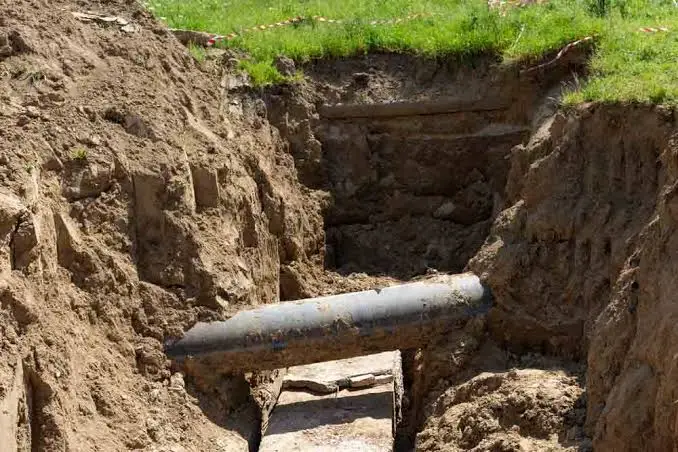
Earthquakes shake the ground beneath your home and place stress on its plumbing system. Pipes, joints, fixtures, and drains can move or break when the soil shifts. The amount of damage depends on the quake’s strength, your home’s age, pipe materials, and ground conditions.
Rigid pipes may crack when the ground moves in different directions. Flexible connections can stretch, bend, or pull loose. Pipes buried beneath concrete slabs may also suffer damage that remains hidden until water stains or other signs appear.
Your plumbing system has several parts that may be affected:
- Water supply pipes: These can crack, leak, or separate at joints.
- Drain pipes: Shifting soil can break pipes or change their slope.
- Sewer lines: Ground movement can crush, crack, or disconnect buried lines.
- Water heaters: Strong shaking can loosen connections or damage gas and water lines.
- Toilets and sinks: Fixtures may shift, crack, or develop loose seals.
- Pipe supports: Movement can loosen brackets and damage connections inside walls.
Not every earthquake causes plumbing damage. However, checking your home’s plumbing after noticeable shaking can help you find problems early.
7 Ways Earthquakes Can Damage Your Plumbing
1. Cracked or Broken Water Pipes
Ground movement can place pressure on water pipes beneath your yard, floors, and walls. Older metal pipes may be more likely to fail if corrosion has already weakened them. Plastic pipes can also crack or pull apart when movement exceeds their limits.
A broken supply pipe may release water quickly. You might notice wet floors, damp walls, a sudden drop in water pressure, or an unusually high water bill.
If a pipe breaks, shut off the main water supply when it is safe to do so. Avoid entering areas with standing water near electrical equipment.
2. Loose Pipe Joints and Fittings
Pipes connect through joints, fittings, valves, and flexible hoses. Earthquake shaking can loosen these connections, especially where pipes pass through walls or connect to fixtures.
A loose joint may cause a slow drip rather than a major leak. Check under sinks, around exposed pipe connections, and near washing machines for fresh moisture.
Do not tighten damaged fittings by force. A cracked connector can break further and release more water.
3. Damaged Sewer Lines
Sewer pipes often run underground, where you cannot see damage from the surface. Earthquakes can shift the soil around these pipes, causing cracks, separated joints, or crushed sections.
A damaged sewer line may cause several drains to run slowly. You might also notice sewage odors, gurgling sounds, or wastewater backing up through a shower or floor drain.
Tree roots, corrosion, and old pipe materials can make existing problems worse. A camera inspection can help a plumber find cracks, blockages, and joint separation without digging up the entire yard.
4. Leaking Pipes Beneath Concrete Slabs
Many homes have water pipes running beneath a concrete foundation. When an earthquake shifts the soil or foundation, these pipes may crack or develop leaks.
Slab leaks are difficult to find because the pipes sit beneath the floor. Common signs include warm spots on floors, damp carpet, unexplained water bills, or the sound of running water when taps are closed.
You may also notice new cracks in flooring or water collecting along the edges of a room. These signs do not prove a slab leak, but they deserve prompt attention.
5. Damaged Water Heaters
Water heaters can shift during strong shaking, especially if they lack proper restraints. Movement may damage water lines, vent connections, electrical wiring, or gas connections.
A damaged tank can leak and cause serious water damage. A gas-powered unit may also develop a dangerous gas leak if its supply connection is damaged.
Never relight a pilot light or operate a water heater if you suspect damage. If you smell gas, leave the building without using switches or flames. Call your gas utility or emergency services from a safe location.
6. Broken Toilet Seals and Damaged Fixtures
Toilets, sinks, and bathtubs can move during an earthquake. This movement may loosen mounting bolts, crack porcelain, or damage the seal between a toilet and the drain.
A damaged toilet seal may allow wastewater to leak beneath the toilet. You might notice water around its base, a sewage smell, or a toilet that rocks when used.
Stop using a toilet with a cracked base or suspected sewer leak. A plumber can check the fixture, seal, and drain connection before further use.
7. Misaligned Drains and Blocked Pipes
Earthquakes can change the slope of drain pipes or push debris into damaged sections. When a drain loses its proper slope, wastewater may move too slowly or collect inside the pipe.
These earthquake drains problems can appear as slow sinks, gurgling toilets, or repeated clogs. The phrase also describes drain issues caused by earthquake movement.
One slow drain may come from a simple blockage. However, several affected drains after a quake may point to damage in a shared drain or sewer line. Avoid using chemical drain cleaners when you suspect a broken pipe.
Signs of Plumbing Damage After an Earthquake
Some plumbing problems appear right away. Others develop over several hours or days. Watch for these warning signs after shaking stops.
- Sudden water pressure changes: A damaged supply pipe may reduce pressure throughout your home.
- Unexplained puddles: Wet floors, damp walls, or soggy soil may point to a leak.
- Sewage smells: A cracked sewer line or damaged drain seal may release unpleasant odors.
- Slow drains: Several slow fixtures may indicate damage to a shared drain line.
- Gurgling sounds: Air trapped in a damaged or blocked drain can cause unusual noises.
- Unexpected water bills: A hidden leak may waste water even when taps are closed.
- New cracks near pipes: Damage around walls, floors, or the foundation may need further inspection.
- Water heater problems: Leaks, loose connections, or a unit that has shifted require attention.
A single sign does not always mean earthquake damage. However, several new symptoms after a quake should prompt a plumbing inspection.
What Should You Do If an Earthquake Damages Your Plumbing?
Your safety comes first. Do not rush into a damaged room to inspect a leak.
- Check for immediate danger. Leave areas with major structural damage, falling debris, or suspected gas leaks.
- Shut off the water if needed. If a supply pipe is leaking and the valve is safely accessible, turn off the main water valve.
- Watch for gas problems. If you smell gas or hear hissing near a gas line, leave immediately. Do not use switches, flames, or phones inside the building. Contact emergency services or the gas utility from a safe location.
- Avoid contaminated water. If sewage has entered your home or your water supply may be contaminated, stop using affected fixtures until the problem is assessed.
- Document visible damage. Take photos from a safe location before cleanup, if possible. These records may help with an insurance claim.
- Arrange a plumbing inspection. A licensed plumber can check damaged pipes, fixtures, drains, and water heater connections.
Do not enter standing water if electrical equipment may be wet. Do not operate damaged gas appliances or attempt repairs on broken gas lines yourself.
How to Check Your Plumbing After an Earthquake
A careful inspection can help you find visible problems. However, it cannot confirm that hidden pipes are safe.
Start With Visible Plumbing
Look beneath sinks, around toilets, behind washing machines, and near the water heater. Check for dripping water, loose hoses, broken fittings, and fresh stains.
Look for pipes that have pulled away from walls or hangers. Do not touch exposed wires or move heavy appliances that may have shifted.
Check Water Pressure and Your Water Meter
If there is no suspected contamination and it is safe to use your water supply, briefly test a few taps. Notice whether the flow is weaker than normal or changes suddenly.
You can also check your water meter when all water-using fixtures are turned off. If the meter continues moving, a leak may be present. However, some homes have automatic water systems that can affect this test.
Do not restore water pressure if you suspect a major break. A plumber should assess the damage first.
How to Check Your Sewer Line After an Earthquake
To understand how to check your sewer line after an earthquake, begin by looking for warning signs inside and outside your home.
- Check whether several drains are slow or backing up.
- Look for sewage odors near floor drains and toilets.
- Inspect your yard for new wet spots or unusual sinking.
- Watch for wastewater returning through low drains.
- Note new problems that affect multiple bathrooms or fixtures.
Never open a sewer cleanout if wastewater is backing up or the area may be unsafe. Raw sewage can expose you to harmful germs.
A sewer camera inspection is often the best way to check underground pipes. A plumber can look for cracks, shifted joints, crushed sections, and changes in pipe alignment.
Check the Water Heater Safely
Look for fresh water around the tank, damaged pipes, or signs that the unit has moved. Check from a safe distance if you suspect a gas or electrical problem.
Do not test a damaged heater by turning it on. Have a qualified professional inspect it before use.
How to Prevent Earthquake Damage to Your Plumbing
You cannot stop an earthquake, but you can reduce the risk of plumbing damage. A few changes may help protect pipes and fixtures during ground movement.
- Secure the water heater: Use suitable restraints and follow local building rules. Gas units may need special attention to their connections.
- Support exposed pipes: Proper brackets and supports can help limit unwanted movement.
- Use suitable flexible connectors: Approved flexible connections can allow some movement where the plumbing design permits them.
- Inspect aging pipes: Corrosion, repeated leaks, and weak joints should be addressed before another quake.
- Know your shutoff valves: Make sure household members know where the main water valve is located.
- Keep access clear: Avoid storing heavy items in front of shutoff valves or plumbing access panels.
- Check the sewer system: If your property has older underground pipes, ask a plumber whether an inspection makes sense.
- Follow local safety codes: Water heater restraints, gas connections, and plumbing changes must meet applicable rules.
Flexible connections do not make a plumbing system earthquake-proof. The right protection depends on pipe materials, the building design, and local conditions.
If your home has experienced repeated leaks or foundation movement, arrange an assessment before a small problem becomes a larger repair.
How Much Does Earthquake-Related Plumbing Repair Cost?
The cost depends on the type of damage, the location of the pipe, the parts needed, and the amount of labor involved. A loose fitting may need a simple repair, while a broken sewer line beneath a foundation can require major work.
The following ranges are broad planning estimates in US dollars, not local quotes. Actual prices vary by region, access, damage severity, and emergency timing.
- Minor pipe or fitting repair: $150 to $500
- Accessible pipe replacement: $300 to $1,500
- Leak detection: $150 to $600
- Slab leak repair: $500 to $4,000 or more
- Sewer line repair: $1,000 to $5,000 or more
- Major sewer line replacement: $3,000 to $15,000 or more
These estimates are not earthquake-specific price averages. Extensive excavation, structural damage, permits, and emergency work can raise the final bill.
Ask for an itemized estimate that explains the repair method, materials, labor, and any required permits. If insurance may cover the damage, contact your insurer before authorizing non-emergency work when practical. Coverage depends on your policy, exclusions, and the cause of loss.
Can Earthquakes Damage Sewer Pipes and Septic Systems?
Yes. Ground movement can damage municipal sewer connections, private sewer laterals, septic tanks, and buried drain pipes.
In homes connected to a public sewer, a broken lateral may let wastewater leak into the soil or allow roots and debris to enter the pipe. A crushed or shifted pipe can also cause repeated backups.
Septic systems face different risks. Shifting soil can damage the tank, disconnect inlet or outlet pipes, and affect the drain field. Heavy equipment or walking over a damaged area can make some problems worse.
After an earthquake, watch for:
- Sewage odors around the yard or septic tank.
- Wet or unusually soft ground near the drain field.
- Slow drains throughout the home.
- Wastewater backing up into showers or toilets.
- Visible cracks or movement around an accessible tank.
Avoid contact with sewage and keep children and pets away from affected areas. Do not pump or open a damaged septic tank yourself. Contact a qualified septic professional to assess the system.
If your well water becomes cloudy or its taste changes after a quake, stop drinking it until its safety is confirmed by your local health department or water authority. Earthquakes can also affect wells and water quality.
When Should You Call a Professional Plumber?
Call a plumber when you notice a persistent leak, low water pressure, repeated drain backups, sewage odors, or unexplained wet spots after an earthquake.
Get urgent help if water is escaping rapidly, a pipe has broken beneath your home, or wastewater is entering living spaces. If gas lines or electrical systems may be damaged, contact the proper emergency professional first.
A qualified plumber can use leak detection tools, pressure tests, and sewer cameras to find hidden damage. These checks can help identify the cause before you spend money on repairs that may not solve the problem.
Choose a licensed professional where required by local law. Ask for a written estimate, details of the proposed repair, and any permits or inspections that may be needed.
Why Post-Earthquake Plumbing Inspections Matter
A post-earthquake inspection can catch leaks before they damage floors, walls, cabinets, or the foundation. It can also reveal sewer problems that might otherwise lead to recurring backups.
The main benefit is finding the actual cause of a problem. For example, a slow drain may come from debris, a damaged pipe, or a shifted sewer line. Each issue needs a different fix.
An inspection is especially useful when:
- Your home is older or has aging pipes.
- The shaking was strong inside your home.
- You notice several plumbing problems at once.
- Your water heater or exposed pipes have shifted.
- You have a history of slab leaks or sewer trouble.
No inspection can guarantee that every hidden pipe is free of damage. Still, a professional check gives you a clearer picture of your system and helps you decide what needs repair first.
Conclusion
Earthquakes can harm water pipes, sewer lines, drains, water heaters, and plumbing fixtures. Some problems are easy to spot, while others remain hidden beneath floors or underground. Knowing how earthquakes can damage your plumbing helps you recognize warning signs and take the right steps after a quake.
Check visible pipes, watch for leaks, and pay attention to unusual drain behavior. Never use damaged gas appliances or enter unsafe areas to inspect plumbing. When you suspect hidden damage, arrange a professional inspection before the problem gets worse.
For help with leaks, drain problems, or damaged pipes, contact Derks Plumbing to discuss your plumbing concerns and possible repair options.

Frequently Asked Questions
Can a small earthquake damage plumbing?
Yes. Even a small earthquake can affect weak pipe joints, aging pipes, or connections that were already damaged. The amount of damage depends on ground movement, pipe condition, and the home’s construction.
How long after an earthquake can plumbing problems appear?
Some problems appear immediately, while hidden leaks may take hours or days to become clear. Watch for damp walls, low water pressure, slow drains, and unexplained water use after a quake.
Can an earthquake cause a sewer backup?
Yes. Ground movement can crack or shift sewer pipes, change their slope, or allow debris to enter. If several drains back up at once, arrange a sewer inspection.
Should I turn off my water after an earthquake?
Turn off the main water supply if you find a major leak or suspect a broken supply pipe and can safely reach the valve. If there is no sign of damage, you may not need to shut it off. Follow local emergency instructions.
How can I tell if my sewer line is damaged?
Look for several slow drains, sewage odors, recurring backups, or new wet spots in your yard. These signs do not confirm a broken sewer line. A plumber can use a sewer camera to inspect the pipe.
Can earthquake damage cause a slab leak?
Yes. Ground or foundation movement can place stress on water pipes beneath concrete floors. Warm floor spots, damp flooring, and unexplained water use may signal a slab leak.
Does homeowners insurance cover earthquake-related plumbing damage?
Coverage varies by policy. Standard homeowners insurance may exclude earthquake damage, while separate earthquake coverage may have different terms. Review your policy and contact your insurer to confirm what applies.


