A bathroom that smells like sewage often has a dry drain trap, dirty pipes, a loose toilet seal, or a plumbing vent problem. The smell can also come from a damaged drainpipe or a blocked sewer line. Finding the source is the first step toward fixing it. Some problems need only a simple cleaning, while others require a plumber to inspect the plumbing system.
If you are wondering Why Does My Bathroom Smell Like Sewage, start by checking drains, unused fixtures, and the base of your toilet. Do not ignore a strong or ongoing sewer odor. It may point to a plumbing fault that needs quick attention.
What Causes a Sewage Smell in the Bathroom?
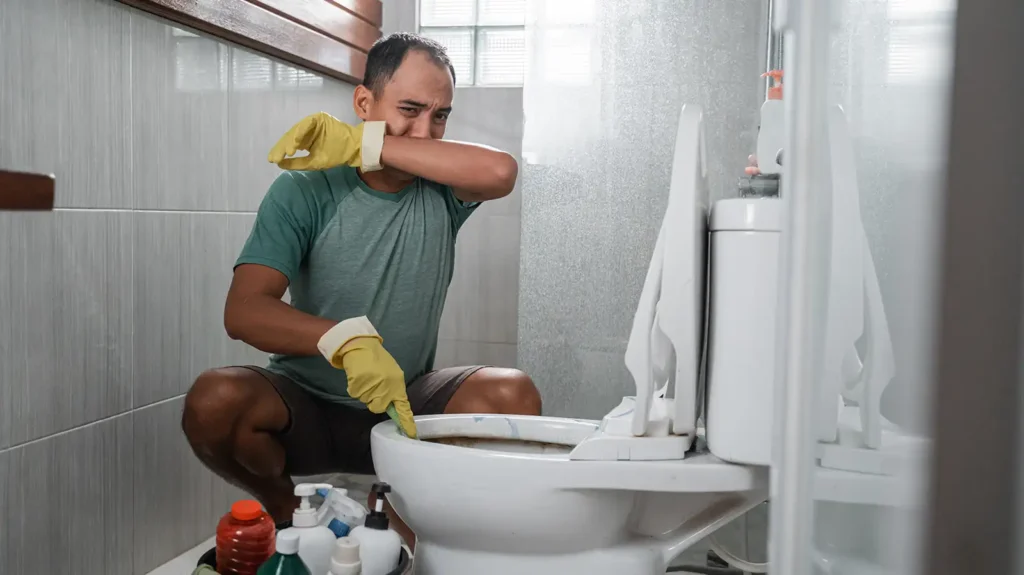
Sewer pipes carry wastewater away from your home. Plumbing traps hold water that blocks sewer gases from entering your bathroom. When a trap dries out, a pipe leaks, or a toilet seal fails, those gases can escape indoors.
Common causes include:
- A dry P-trap in a sink, shower, or floor drain
- Hair, soap, and waste trapped inside a drain
- A damaged toilet wax ring or seal
- A blocked plumbing vent
- A cracked or loose drainpipe
- A blocked sewer line or sewage backup
The location and timing of the smell can help you find the cause. An odor near one drain may point to a local problem. A smell that affects several fixtures may signal a wider plumbing issue.
A Dry P-Trap in the Sink, Shower, or Floor Drain
A P-trap is the curved pipe beneath most bathroom sinks. Similar traps sit under showers, tubs, and some floor drains. They hold water that creates a barrier between your bathroom and the sewer system.
When a fixture goes unused for weeks, its trap can dry out. Sewer gases may then enter the room through the open drain. This is common in guest bathrooms, spare bathrooms, and floor drains that rarely receive water.
How to fix it: Run water into the sink, shower, or tub for a short time. For a floor drain, slowly pour in enough water to refill the trap. If the smell fades, the dry trap may have been the cause.
If the odor returns quickly, the trap may have a leak or another problem. A plumber can check the trap and nearby pipes. Do not pour bleach or strong chemicals into the drain to mask the smell.
Dirty or Clogged Bathroom Drains
Hair, soap, skin oils, and other waste can collect inside bathroom drains. Over time, this buildup can create a foul smell. The odor may be strongest when you run water or stand close to the drain opening.
A slow drain often points to a buildup inside the pipe. However, a drain can smell bad even when water flows normally. The waste may be sitting near the drain opening or inside the trap.
What you can do:
- Remove visible hair and waste from the drain cover.
- Clean the drain cover and nearby surfaces with a suitable household cleaner.
- Flush the drain with warm water if the fixture allows it.
- Use a drain tool made for removing hair when needed.
Avoid mixing drain cleaners, bleach, vinegar, or other chemicals. Some combinations can release harmful gases or cause dangerous reactions. If the drain remains slow or smells after cleaning, have the pipe checked.
A Damaged Toilet Wax Ring or Seal
A toilet wax ring seals the gap between the toilet base and the drain opening in the floor. Some toilets use a different approved seal. If the seal becomes loose, damaged, or poorly fitted, sewer gases can escape around the toilet.
You may notice a sewage smell near the toilet even after cleaning the bowl. Other warning signs include water around the base, a toilet that rocks, or a smell that becomes stronger after flushing.
A failed seal does not always cause a visible leak. Sewer gas can escape through a small gap without leaving much water on the floor.
How to fix it: Check whether the toilet moves when you gently touch it. Look for moisture around its base, but do not pull or lift the toilet yourself unless you have the right skills and tools. A plumber can inspect the seal, check the toilet flange, and refit the toilet as needed.
Do not cover the gap with caulk as a substitute for repairing a failed seal. That can hide signs of a leak without fixing the cause.
A Blocked Plumbing Vent Pipe
Plumbing vent pipes help control air pressure in your drain system. They usually extend through the roof. A blocked or damaged vent can stop drains from working as they should and may allow sewer odors to enter the home.
Signs of a vent problem may include gurgling drains, slow drainage in more than one fixture, or a sewer odor that keeps returning. A vent can become blocked by leaves, debris, or other objects.
What to do: Notice whether several fixtures are affected at the same time. This can help a plumber narrow down the issue. Do not climb onto the roof to inspect the vent unless you are trained and have proper fall protection. A professional can inspect the vent and clear a blockage safely.
A Cracked or Leaking Drain Pipe
A drainpipe can crack, loosen at a joint, or wear out over time. When this happens, wastewater and sewer gases may escape into a wall, cabinet, crawl space, or floor area.
The leak may be hidden, so the first sign might be a persistent sewage smell rather than a puddle. You might also notice damp cabinets, peeling paint, stains, mold-like growth, or soft flooring near a bathroom fixture.
Do not assume air fresheners or drain cleaning will solve this type of problem. They cannot repair a damaged pipe.
A plumber can inspect exposed connections and test the drain system. If the pipe is hidden, the plumber may use suitable inspection tools to find the fault before opening a wall or floor.
A Sewer Line Blockage or Backup
A blockage in the main sewer line can affect more than one drain. Wastewater may struggle to leave the home, causing gurgling, slow drains, or sewage to rise through a low fixture.
Watch for these warning signs:
- Several drains become slow at once.
- Toilets gurgle when you use a sink or shower.
- Water backs up into a tub or shower.
- Sewage appears around a floor drain.
- The smell spreads across several rooms.
If sewage is backing up, stop using water wherever possible. More water can make the backup worse. Keep children and pets away from contaminated areas, and avoid direct contact with wastewater.
A sewer line blockage may need professional drain cleaning or a camera inspection. If the pipe is damaged, a plumber can explain the repair options. Do not keep flushing toilets or running taps to test a suspected blockage.
How to Find Where the Sewage Smell Is Coming From
You can make a few safe checks before calling a plumber. These checks may help you describe the problem, but they cannot confirm every hidden plumbing fault.
- Check each drain. Notice whether the smell is strongest near the sink, shower, tub, or floor drain. A single smelly drain may point to a local trap or buildup.
- Run water in unused fixtures. A dry trap may be the cause if the smell improves after water flows through the drain.
- Inspect around the toilet. Look for dampness, movement, or a smell that becomes stronger after flushing. Do not remove the toilet to inspect its seal.
- Notice how many fixtures are affected. If several drains smell or gurgle, the problem may involve the vent or main sewer line.
- Check when the odor appears. A smell after showering, flushing, or running a sink may help identify which part of the plumbing system needs attention.
Never lean into a drain to smell it closely or enter a sewer, pit, or confined space. If the odor is strong or causes symptoms, leave the area and seek professional help.
How to Get Rid of a Sewage Smell in Your Bathroom
The right fix depends on the cause. Use these steps to address common problems safely.
- Refill dry traps: Run water in unused sinks, tubs, and showers. Add water to a floor drain if it has a trap.
- Clean drain openings: Remove visible hair and soap buildup from accessible drain covers. Follow the cleaner’s label.
- Check the toilet: Look for movement, dampness, or a persistent smell around the base. Arrange a seal inspection if needed.
- Watch for wider drain problems: Gurgling, slow drainage across several fixtures, or sewage backups may point to a vent or sewer line issue.
- Get damaged pipes checked: A plumber can locate leaks and recommend the right repair.
Do not use strong chemicals to cover the smell. Never mix cleaning products, and do not try to clear a major sewer blockage with repeated flushing. If the odor returns after simple checks, the underlying fault needs attention.
Sewer gases can include hydrogen sulfide, which has a rotten-egg smell. High exposure levels can be dangerous, and smell alone cannot tell you whether the air is safe.
When Should You Call a Plumber?
Call a plumber if the sewage smell lasts after you refill dry traps and clean accessible drains. You should also seek help if the odor returns often, the toilet rocks, or you notice water around the toilet base.
Get prompt professional help if several drains gurgle, wastewater backs up, or you suspect a damaged sewer pipe. These signs may point to a problem that household cleaning cannot fix.
If the smell is very strong or anyone develops dizziness, nausea, headache, or breathing trouble, leave the area and seek appropriate emergency help. Do not rely on the smell fading as proof that the air is safe.
A plumber can inspect the traps, toilet seal, vent system, and drain lines to find the source. Accurate diagnosis helps avoid repeated cleaning or repairs that do not solve the problem.
Conclusion
A sewage smell in your bathroom often comes from a dry P-trap, dirty drain, faulty toilet seal, blocked vent, or damaged sewer line. Start with safe checks, such as running water in unused drains and looking for visible signs of leaks. If the odor persists, affects several fixtures, or comes with a backup, arrange a professional inspection.
Derks Plumbing can help homeowners find the source of persistent plumbing odors and recommend the right repair. If a damaged or blocked sewer line is causing the smell, explore our services of sewer line repair near Eagle Rock for professional help. Fixing the underlying problem can help prevent the sewage odor from returning.

Frequently Asked Questions
Why does my bathroom smell like sewage but the drains are not clogged?
A dry P-trap, damaged toilet seal, blocked vent, or leaking drainpipe can cause a sewage smell even when water drains normally. Check whether the odor is strongest near one fixture or around the toilet.
Why does my bathroom smell like sewage after I shower?
The shower may have a dirty drain, a dry or faulty trap, or a plumbing vent issue. If the smell returns after cleaning the drain and running water, ask a plumber to inspect the system.
Why does my bathroom smell like sewage when I flush the toilet?
A damaged toilet seal, blocked vent, or sewer line problem may release odors when you flush. If the toilet gurgles or other drains are slow, stop using excess water and arrange an inspection.
Can a sewage smell in the bathroom be dangerous?
A mild odor does not tell you the level of exposure. Sewer gas may contain substances that can harm health at high levels. Leave the area if the smell is strong or causes symptoms, and seek professional help.
How do I get rid of the sewer smell in my bathroom?
Refill unused drain traps, clean accessible drain openings, and check for visible leaks around the toilet. If the smell remains or returns, a plumber should find and repair the underlying cause.


