A slow or smelly drain can make your kitchen or bathroom unpleasant. Many homeowners reach for bleach or vinegar to clean their pipes. Both products have different uses, but neither is a reliable fix for a clogged drain. Choosing the wrong product can also create safety risks or damage some plumbing parts. Knowing how each cleaner works can help you make a safer choice.
So, is bleach or vinegar better for drains? Vinegar is generally the gentler choice for light mineral buildup and mild odors. Bleach can kill some germs, but it does not remove tough clogs. The right solution depends on your drain problem.
Is Bleach or Vinegar Better for Drains?
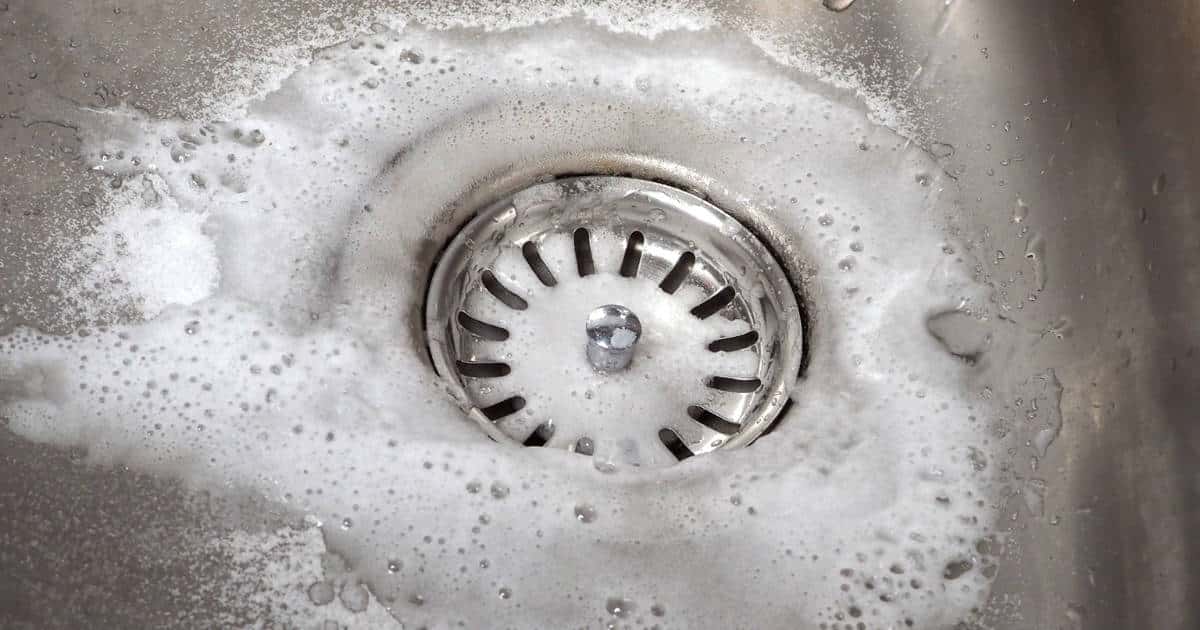
Vinegar is usually a better choice for light household drain cleaning. It contains acetic acid, which can help loosen some mineral deposits. It may also help reduce mild odors caused by surface buildup. However, vinegar cannot break down every type of blockage.
Bleach works differently. It contains sodium hypochlorite, which is used to disinfect suitable surfaces. It can kill many germs when used correctly, but it does not dissolve hair, grease, or solid waste.
If your sink smells unpleasant, first check for trapped food, soap scum, or buildup near the drain opening. Cleaning these areas may solve the problem without harsh chemicals.
For a blocked drain, neither product is the best option. A plunger or drain snake can remove many common clogs. These tools deal with the blockage instead of masking the smell.
The best choice depends on what you want to clean. Use the right method for the problem rather than pouring chemicals into your pipes.
What Does Bleach Do to Your Drains?
Household bleach is a chemical cleaner and disinfectant. Its active ingredient is usually sodium hypochlorite. It can kill many germs on approved surfaces when used according to its label.
However, a drain is not the same as a clean kitchen counter. Drains often contain food scraps, hair, soap, grease, and standing water. These materials can affect how well a disinfectant works.
Is Bleach Good for Drains?
Is bleach good for drains? It depends on the reason for using it. Bleach may help with certain odors and germs, but it is not a proper drain cleaner.
Here are some things bleach can and cannot do:
- Kill some germs: Bleach can disinfect suitable surfaces when used as directed.
- Reduce certain odors: It may reduce odors linked to some organic material.
- Remove hair: Bleach does not dissolve hair clumps inside pipes.
- Clear grease: It is not designed to remove thick grease blockages.
- Fix slow drainage: It cannot repair a damaged pipe or remove a solid clog.
Pouring bleach into a drain does not guarantee that the pipe becomes clean. It may also expose you to strong fumes, especially in a small bathroom.
Never use more bleach than the product label recommends. Avoid mixing it with other cleaning products.
What Does Vinegar Do to Your Drains?
White vinegar is a common household product. It contains acetic acid, which gives it its sour smell and mild acidic properties.
Vinegar can help loosen some mineral deposits around drain openings and fixtures. It may also help with light buildup on suitable surfaces. However, it is not strong enough to remove every type of drain blockage.
Is Vinegar Good for Drains?
Is vinegar good for drains? Yes, it can be useful for light cleaning and certain mineral deposits. However, it should not be treated as a complete drain cleaning solution.
Vinegar may help with:
- Light mineral buildup: Its mild acid can loosen some deposits around drain openings.
- Minor surface residue: It can help clean certain areas around the sink.
- Some mild odors: It may help with odor linked to light surface buildup.
- Routine cleaning: It can be useful when cleaning suitable household surfaces.
Vinegar has limits, too. It cannot reliably remove thick grease, large hair clumps, or solid objects inside pipes.
Does Baking Soda and Vinegar Clean Drains?
Many homeowners use baking soda and vinegar together as a home cleaning method. When combined, they produce bubbles because of a chemical reaction.
The bubbling may help move loose material near the drain opening. However, it does not create enough cleaning power to remove stubborn blockages.
If your drain is slow, do not depend on this mixture alone. A drain snake or plunger is usually more useful for removing the actual blockage.
Bleach vs. Vinegar: Key Differences
Bleach and vinegar serve different purposes. One is mainly used as a disinfectant, while the other is a mild household acid.
Understanding their differences helps you avoid using the wrong product.
1. Cleaning Power
Vinegar can loosen some mineral deposits and light surface residue. Bleach can disinfect suitable surfaces, but it does not break down common drain clogs.
Neither product can reliably remove hair, solid waste, or thick grease from deep inside a pipe.
2. Odor Removal
Both products may help with certain odor problems, but neither fixes every cause.
Vinegar may help clean light residue around the drain opening. Bleach can reduce some germs and organic odors, but it does not remove the material causing a blockage.
If the smell keeps returning, check the P-trap. This curved pipe holds water and helps stop sewer gases from entering your home.
3. Pipe Safety
Vinegar is generally gentler than bleach when used in normal household amounts. However, frequent or prolonged contact may affect some metal parts or plumbing finishes.
Bleach needs more care. Strong or repeated exposure can affect certain metals, rubber parts, and other plumbing materials.
Always check product labels and follow the manufacturer’s instructions before using chemicals near plumbing.
4. Health and Safety
Vinegar is a mild acid, but it can still irritate your eyes or skin. Bleach can cause irritation and produce dangerous fumes when mixed with certain products.
Never mix either cleaner with unknown chemicals inside a drain.
5. Environmental Impact
Both products can enter wastewater systems after use. Large or repeated amounts of household chemicals are not a good drain maintenance plan.
Use only products approved for their intended purpose. If your home has a septic system, check its care instructions before using chemical cleaners.
Can You Mix Bleach and Vinegar in a Drain?
No. Never mix bleach and vinegar under any circumstances. This combination can release chlorine gas, which is dangerous to breathe.
Vinegar contains acetic acid. When it reacts with bleach, it can release toxic gas. Exposure may cause coughing, burning eyes, throat irritation, and breathing problems.
This risk also applies if one product remains inside the drain before you add the other.
What Happens When You Mix Bleach and Vinegar?
Mixing these products creates a chemical reaction that can release chlorine gas. The gas may build up in enclosed areas, such as small bathrooms or kitchens.
Even a small amount can cause irritation. Higher exposure can lead to serious lung problems.
What Should You Do If You Accidentally Mix Them?
Follow these safety steps if bleach and vinegar come into contact:
- Leave the area immediately.
- Keep children and pets away from the affected space.
- Avoid leaning over the drain or breathing the fumes.
- Do not add water, bleach, vinegar, or another cleaning product.
- Contact emergency services or a poison control center for advice.
- Do not return until the area has been declared safe.
Do not try to neutralize the mixture yourself. Your safety matters more than cleaning the drain.
The CDC also advises people never to mix household bleach with other cleaners or disinfectants.
What Is the Safest Way to Clean a Clogged Drain?
The safest way to clean a clogged drain is to remove the blockage without mixing chemicals. Many common sink and bathroom clogs come from hair, soap, food, and grease.
You can try several simple methods before calling a plumber.
1. Remove Visible Debris
Start by checking the drain opening. Remove visible hair, food scraps, and other loose material.
Wear gloves and avoid pushing debris farther into the pipe. Clean the drain stopper if it has collected soap or hair.
2. Use a Plunger
A plunger can help move a blockage through the pipe. Place enough water in the sink to cover the rubber cup.
Seal the plunger over the drain opening. Push down and pull up several times without breaking the seal.
For a double kitchen sink, block the other drain opening. This helps create better pressure.
Do not plunge a drain if you recently poured chemical cleaner into it. The liquid could splash onto your skin or face.
3. Try a Drain Snake
A drain snake is useful for hair and other clogs near the drain. Slowly feed the tool into the pipe until you feel resistance.
Turn the handle to catch or break up the blockage. Pull the tool out and remove the collected debris.
Avoid forcing the snake through a pipe. Excessive pressure can damage older plumbing.
4. Clean the Drain Stopper
Bathroom drains often collect hair around the stopper. This buildup can slow water flow and cause unpleasant smells.
Remove the stopper if your sink design allows it. Clean away hair, soap, and dirt before putting it back.
5. Use an Approved Drain Cleaner
Some commercial drain cleaners are designed for specific types of blockages. Read the product label before use.
Never mix different drain cleaners or combine them with bleach or vinegar. If you have already used a chemical product, follow its safety instructions before trying another method.
For recurring or stubborn clogs, professional cleaning is a safer choice.
Does Bleach or Vinegar Damage PVC Pipes?
PVC pipes are common in modern homes. They are used in many drain and waste systems because they resist corrosion and handle normal household wastewater.
However, that does not mean every cleaning chemical is safe for every plumbing part.
Is Bleach Safe for PVC Pipes?
Is bleach safe for PVC pipes? Normal household bleach does not usually damage PVC quickly under ordinary conditions. However, strong concentrations, repeated exposure, and long contact times can create risks.
Other plumbing parts may be more sensitive than the PVC pipe itself. Metal fittings, rubber seals, and older connections may react differently.
Avoid pouring large amounts of bleach into your plumbing. Follow the product label and check your pipe manufacturer’s recommendations.
Is Vinegar Safe for PVC Pipes?
Is vinegar safe for PVC pipes? White vinegar is generally compatible with standard PVC pipes in normal household amounts.
However, your drain system may contain other materials. Metal parts, rubber seals, and certain finishes may need different care.
Vinegar is not a good choice for every plumbing problem. It cannot repair cracked pipes, remove solid objects, or clear serious blockages.
If you are unsure about your pipe material, ask a plumber before using household chemicals.
When Should You Call a Professional Plumber for Drain Cleaning?
Some drain problems need more than household cleaning methods. A recurring blockage may point to a deeper issue inside your plumbing system.
Contact a professional plumber if you notice these warning signs:
1. Multiple Drains Are Clogged
If your kitchen sink, bathroom sink, and shower drain slowly at the same time, the problem may be in a shared drain line.
2. Water Keeps Backing Up
Water coming back through a sink, shower, or floor drain can indicate a serious blockage. Stop using the affected fixtures and arrange an inspection.
3. Bad Smells Keep Returning
A sewer-like smell may come from a dry P-trap, damaged pipe, blocked vent, or sewer line issue. A plumber can find the source.
4. DIY Methods Are Not Working
If plunging and basic cleaning do not improve drainage, the clog may be too deep or difficult to reach.
5. You Notice Leaks or Water Damage
Wet cabinets, water stains, and damp areas near pipes can point to a plumbing leak. These issues need attention before they cause more damage.
A plumber can inspect the drain and choose the right cleaning method. Depending on the problem, this may include a drain snake, mechanical cleaning, or a sewer camera inspection.
Conclusion
Choosing between bleach and vinegar depends on what you want to clean. Vinegar is generally better for light mineral deposits and mild surface cleaning. Bleach is mainly used for disinfecting suitable surfaces, not removing drain clogs.
Never mix bleach and vinegar because they can release dangerous chlorine gas. For stubborn blockages, use a suitable drain tool or contact a professional plumber.
If your drains keep clogging or producing bad smells, professional help can prevent further plumbing problems. For reliable Drain Cleaning in Eagle Rock, contact Derks Plumbing. Our team can inspect your drainage problem and recommend the right solution for your home.

Frequently Asked Questions
Is bleach or vinegar better for smelly drains?
Vinegar may help with mild odors caused by light mineral or surface buildup. Bleach can kill some germs, but neither product fixes every source of drain odor. Check the P-trap and remove trapped debris if the smell continues.
Can vinegar dissolve hair in drains?
No. Vinegar cannot reliably dissolve hair clumps inside pipes. A drain snake or suitable hair removal tool is a better option for removing this type of blockage.
Does bleach kill bacteria in drains?
Bleach can kill many types of bacteria when used correctly. However, drains contain organic material and standing water that can affect its performance. Always follow the product label and never mix bleach with other cleaners.
Can I leave vinegar in my drain overnight?
It is generally unnecessary to leave household vinegar in a drain overnight. It may help loosen some mineral deposits, but longer contact does not guarantee better cleaning. Follow safe cleaning practices and avoid using it with bleach.
What is the safest thing to pour down a clogged drain?
There is no liquid that safely clears every type of clog. Warm water may help move some loose residue, but a plunger or drain snake is usually more effective. Avoid mixing household chemicals or drain cleaners.


